

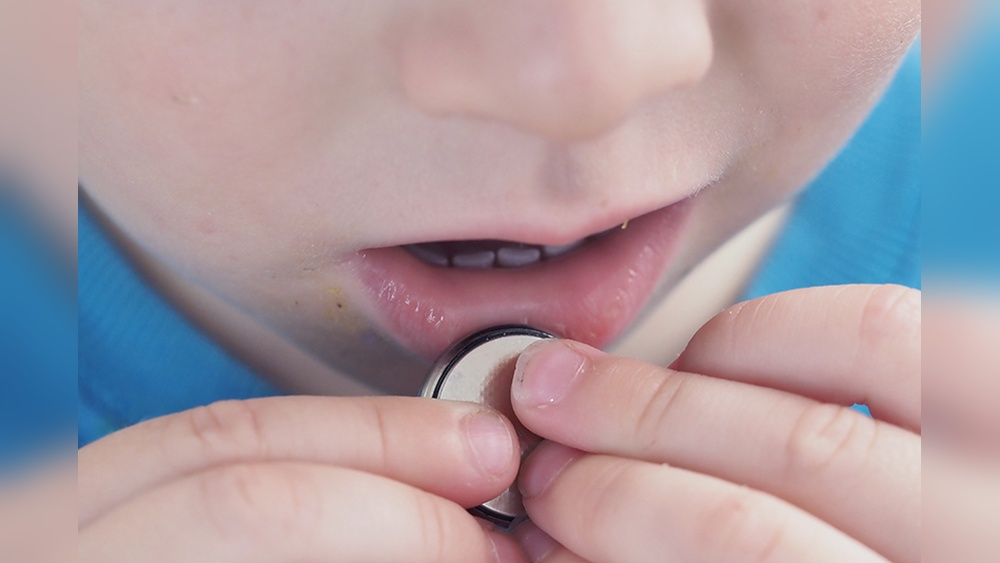
Have you ever stopped to think about what powers the tiny sounds and lights in your child’s favorite toy? Those small, shiny button batteries might seem harmless, but they can actually pose serious risks to your child’s safety.
If you’re a parent or caregiver, understanding why button batteries are risky in toys is crucial. This isn’t just about worry—it’s about protecting your child from hidden dangers that you might not even realize exist. Keep reading to learn what makes these tiny power sources so dangerous and how you can keep your little ones safe.
Button Battery Basics
Button batteries are small, round power sources found in many toys. They are also called coin cell batteries. These batteries hold a lot of energy in a tiny size. This makes them popular for small electronic devices. Understanding the basics helps explain why they can be risky for children.
Common Types In Toys
Toys often use lithium, alkaline, or silver oxide button batteries. Lithium batteries last longer and provide more power. Alkaline types are cheaper but have less energy. Silver oxide batteries are common in watches and some toys. Each type has a similar shape but different power levels.
How They Power Devices
Button batteries send electric current to the toy’s circuits. This current powers lights, sounds, and motors inside the toy. Their small size allows toy makers to design compact and lightweight products. The batteries fit easily into tiny compartments in the toys. This makes toys more fun and interactive.
Health Hazards
Button batteries in toys pose serious health hazards. These small batteries are easy for children to swallow or choke on. The risks go beyond just discomfort. They can cause severe harm quickly. Understanding these dangers helps keep kids safe.
Choking And Ingestion Risks
Button batteries are small and round. Children can easily put them in their mouths. This creates a choking hazard. If swallowed, the battery can block the airway. This stops breathing and can cause death.
Swallowed batteries also move through the digestive system. They can get stuck in the throat or stomach. This causes pain and swelling. Immediate medical help is needed to remove the battery.
Chemical Burns And Internal Injuries
Button batteries contain harmful chemicals and electricity. When stuck inside the body, they can leak. This leak causes chemical burns. These burns damage the lining of the throat or stomach.
The battery’s electric current can burn internal tissues fast. This leads to serious injuries or holes in the organs. These injuries may need surgery and long recovery time. Quick action is critical to reduce damage.
Accident Statistics
Button batteries in toys pose serious risks to children. Many accidents occur due to kids swallowing or inserting these batteries in their noses or ears. Understanding accident statistics helps highlight the dangers and the need for caution.
Incidence Rates In Children
Thousands of children face button battery accidents each year worldwide. Most cases involve kids under five years old. This age group often explores toys by putting objects in their mouths. The small size and shiny look of button batteries attract young children. Many accidents go unreported, suggesting actual numbers may be higher.
Emergency Cases And Outcomes
Emergency rooms see a rise in button battery injury cases annually. Serious injuries include burns, bleeding, and tissue damage inside the body. Fast medical treatment is crucial to prevent lasting harm. Some cases require surgery to remove the battery. Delayed care can lead to long-term health problems or death. Awareness among parents and caregivers can reduce these dangerous incidents.
Design Flaws In Toys
Design flaws in toys create serious risks related to button batteries. Many toys use these small batteries because they are compact and powerful. Yet, poor design can make these batteries easy to access. This risk is dangerous for young children who may swallow the batteries.
Manufacturers sometimes overlook how secure battery compartments need to be. Some toys have battery covers that open too easily. This simple mistake lets children remove batteries without help. The result can be choking or chemical burns inside the body. Safe design requires strong closures that only adults can open.
Insecure Battery Compartments
Many toys have battery compartments that are not childproof. Covers might snap off with little force. Screws are sometimes missing or too loose. This gives children quick access to button batteries. Once swallowed, these batteries cause severe injuries fast. A secure compartment is vital to prevent accidents.
Lack Of Safety Standards
Not all toy makers follow strict safety rules. Some countries lack clear regulations on battery safety. This means toys with risky designs reach stores. Without enforced standards, unsafe toys stay on shelves. Strong safety standards ensure all toys protect children from harm. Proper rules help reduce battery-related injuries worldwide.
Preventive Measures
Preventive measures reduce the risks of button batteries in toys. These small batteries can cause serious harm if swallowed. Taking steps to keep children safe is very important. Both toy makers and parents have roles to play in prevention.
Safer Toy Designs
Manufacturers must create toys with secure battery compartments. Screws or strong clips should hold the battery cover tightly. This stops children from opening the compartment easily. Using larger batteries that are harder to swallow helps too. Clear safety labels on toys warn about battery dangers. Testing toys before sale ensures they meet safety standards.
Parental Precautions
Parents should check toys for loose or missing battery covers. Always replace broken toys or those with damaged compartments. Keep spare batteries out of children’s reach and sight. Teach children not to touch or play with batteries. Regularly inspect older toys for wear and tear. Stay informed about toy recalls involving button batteries.

Credit: capt.org.uk
First Aid Steps
Button batteries in toys pose serious dangers to children. Knowing the first aid steps can save lives. Quick and calm action is essential after ingestion. The right response helps reduce harm and prevent complications.
Immediate Actions After Ingestion
Do not make the child vomit or eat. Remove any remaining batteries from the child’s mouth. Rinse the mouth gently with water if possible. Keep the child calm and still. Note the time of ingestion to inform medical staff. Do not give anything to drink unless a doctor says so.
When To Seek Medical Help
Call emergency services immediately after ingestion. Take the child to the hospital without delay. Medical help is necessary even if the child feels fine. Batteries can cause burns and blockages inside the body. Doctors will perform tests to find the battery’s location. Early treatment prevents severe injuries and complications.
Regulations And Safety Initiatives
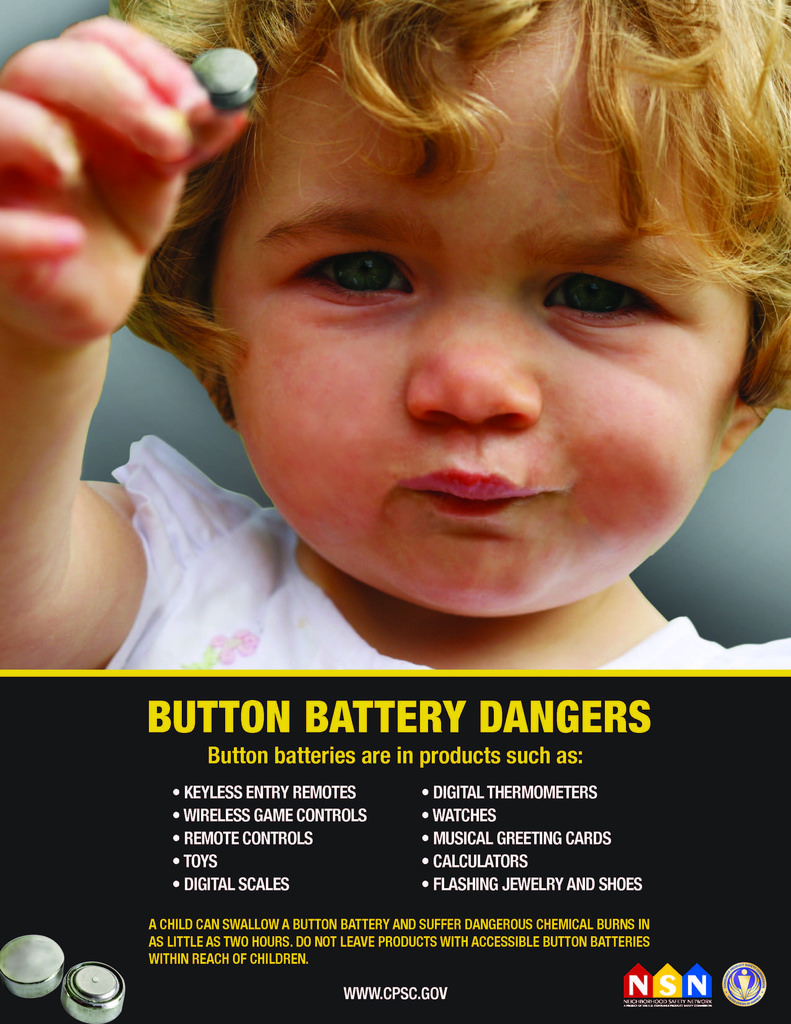
Button batteries in toys pose serious safety risks. Many children swallow these small batteries by accident. This can cause severe injuries or death. Governments and industries have created rules and programs to reduce these dangers. These efforts aim to keep children safe and prevent accidents.
Government Guidelines
Governments set strict rules for toy manufacturers. These rules require secure battery compartments. Batteries must be hard for children to access. Labels and warnings must be clear on packaging. Some countries ban button batteries in certain toys. These laws help prevent accidental swallowing and injuries.
Industry Responses
Toy makers work to improve battery safety. Many use screws or locks to secure batteries. Some replace button batteries with safer power sources. Companies also run public safety campaigns. They teach parents and caregivers about risks. These steps reduce accidents and protect children.
Credit: www.cpsc.gov

Credit: capt.org.uk
Frequently Asked Questions
What Makes Button Batteries Dangerous In Toys?
Button batteries are small and easily swallowed, posing choking risks. They can cause severe internal burns if lodged in the body, especially in children, leading to serious injuries or fatalities.
How Do Button Batteries Harm Children?
When swallowed, button batteries can cause chemical burns and tissue damage within hours. This can lead to severe injuries in the esophagus or airway, requiring urgent medical treatment.
Which Toys Commonly Contain Button Batteries?
Many electronic toys, remote controls, and novelty gadgets use button batteries. These small batteries power lights, sounds, and movements, making them common in children’s toys.
How Can Parents Prevent Button Battery Accidents?
Parents should keep toys with button batteries out of reach of young children. Always secure battery compartments with screws and regularly inspect toys for loose batteries.
Conclusion
Button batteries in toys pose serious risks to children’s health. These small batteries can cause choking or burns if swallowed. Parents should keep toys with button batteries out of reach from young kids. Always check toys for secure battery compartments.
Choosing safer toys helps protect children from harm. Stay alert and act quickly if an accident happens. Safety matters most when it comes to children’s playtime.
