

Have you ever wondered how something as simple as a toy can shape your toddler’s mind? The right toys do more than just entertain—they spark curiosity, boost thinking skills, and help your little one learn about the world.
When you choose toys thoughtfully, you’re not just giving your child fun moments; you’re supporting their brain to grow strong and healthy. Keep reading to discover how toys play a powerful role in your toddler’s brain development—and how you can pick the best ones to give your child a smart start.
Role Of Play In Brain Growth
Play is vital for toddler brain growth. It helps children learn about the world and themselves. Through play, toddlers explore, experiment, and solve problems. This active learning supports strong brain development.
Play offers a safe space to practice new skills. It encourages curiosity and creativity. Each play session builds essential brain pathways that support future learning.
Critical Early Years
The first three years shape a child’s brain the most. During this time, the brain forms many connections. Play in these years boosts brain growth and development. Toddlers learn faster through hands-on experiences. Early play helps build a strong foundation for later skills.
Neural Connections And Play
Neural connections are the links between brain cells. Play stimulates these connections to grow stronger and faster. Every new experience creates new pathways. Repeated play strengthens these pathways, making learning easier. Toys that challenge toddlers help build more complex connections.
Impact On Cognitive Skills
Playing improves thinking and understanding abilities. It helps toddlers learn shapes, colors, and numbers. Problem-solving during play boosts memory and attention. Social play supports language and emotional skills. Cognitive skills gained through play prepare children for school.
Credit: nowpsych.com
Types Of Toys That Stimulate Development
Toys play a big role in toddler brain growth. Different toys help develop various skills. Some toys focus on senses, others on thinking or creativity.
Choosing the right toys supports learning and makes playtime fun. Here are types of toys that boost development in toddlers.
Sensory Toys For Exploration
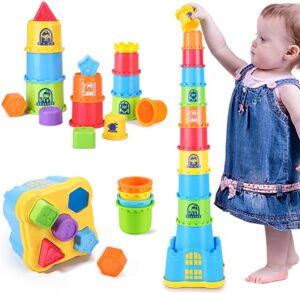
Sensory toys help toddlers explore touch, sight, sound, and movement. Toys with different textures or colors catch their attention. These toys improve hand-eye coordination and sensory skills. Examples include soft balls, textured blocks, and musical instruments.
Building And Construction Sets
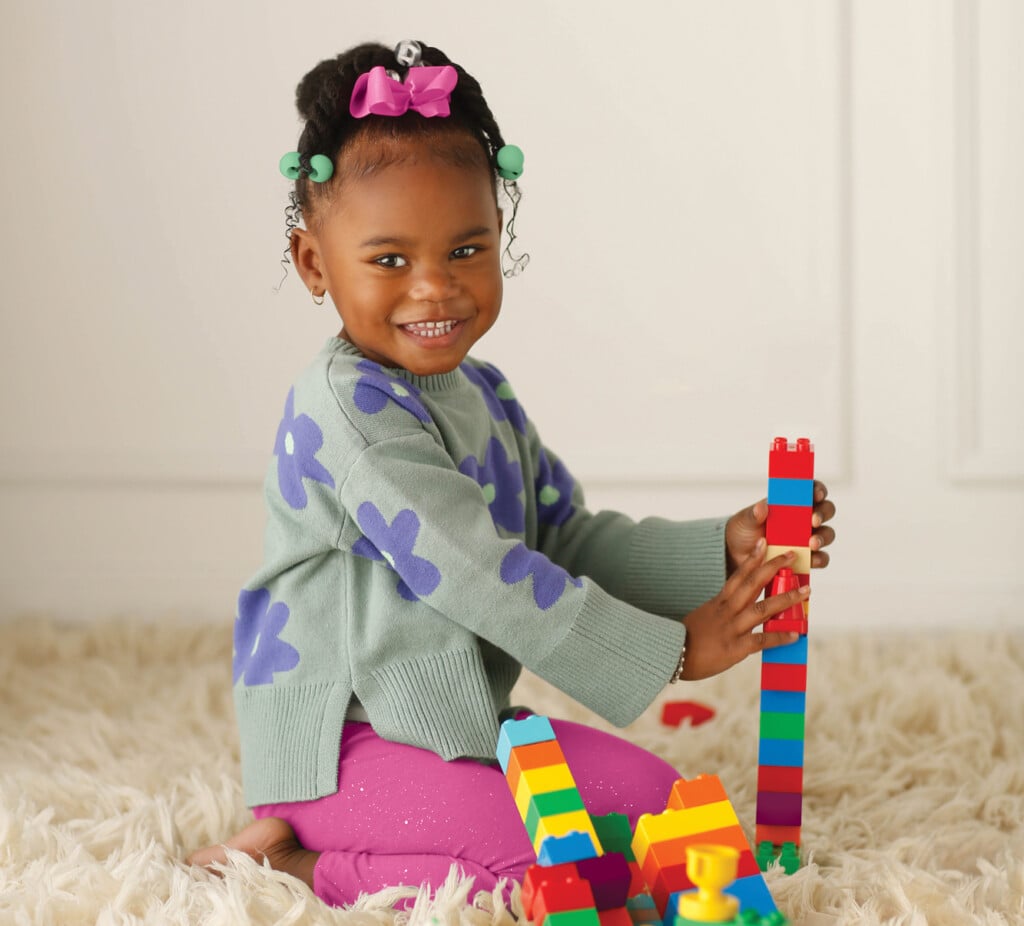
Building sets teach toddlers how to stack and join pieces. These toys improve fine motor skills and hand strength. They also encourage problem-solving and creativity. Simple blocks or larger interlocking bricks work well for young children.
Puzzles And Problem Solving
Puzzles help toddlers think and focus. They learn to match shapes and colors. Completing puzzles builds patience and memory skills. Start with large, easy-to-handle pieces to keep toddlers engaged.
Creative And Art Supplies
Art supplies let toddlers express feelings and ideas. Crayons, finger paints, and play dough are great choices. These tools improve hand control and spark imagination. Creative play supports emotional and cognitive growth.
Motor Skills And Physical Growth
Motor skills are essential for toddlers. They help children move, explore, and interact with the world. Physical growth and motor skills develop together. Toys play a key role in this process. They encourage practice and learning in a fun way.
Fine Motor Skill Enhancement
Fine motor skills involve small movements, like using fingers and hands. Toys like building blocks, puzzles, and beads help improve these skills. Toddlers learn to grasp, pinch, and manipulate objects. This practice strengthens hand muscles and coordination. These skills are important for writing and self-care tasks later.
Gross Motor Development
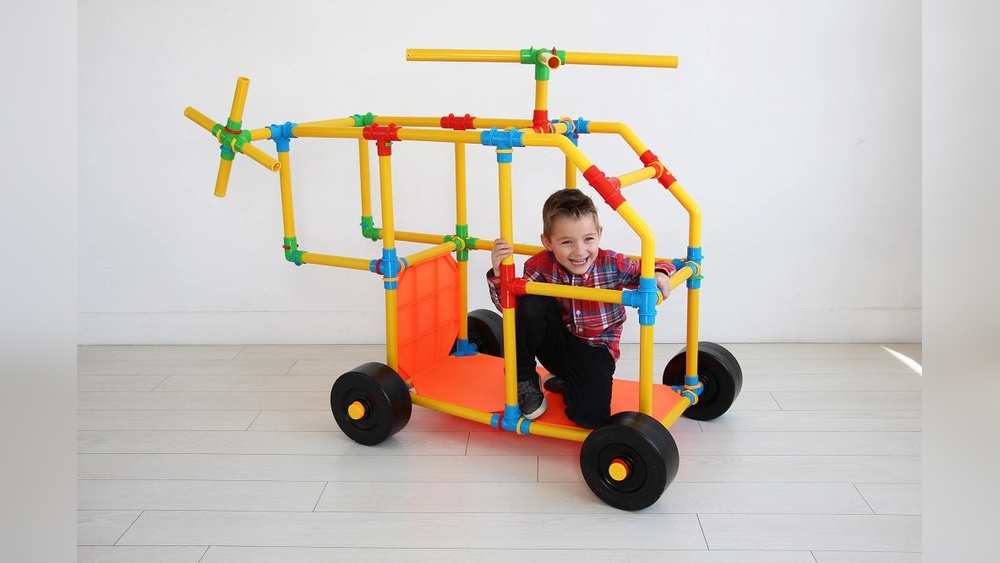
Gross motor skills involve larger movements using arms, legs, and the whole body. Ride-on toys, balls, and climbing structures encourage these skills. Toddlers develop balance, strength, and coordination. Moving their bodies helps them gain confidence and independence. These activities support overall physical health and growth.
Role Of Outdoor And Active Toys
Outdoor toys like tricycles, slides, and swings invite active play. Active toys stimulate movement and exploration. Fresh air and space allow toddlers to practice running, jumping, and climbing. These actions build muscles and improve endurance. Outdoor play also supports mental well-being and social skills.
Credit: www.tulsakids.com
Language And Communication Boosters
Language and communication skills grow fast in toddlers. Toys can help this growth by encouraging talking, listening, and understanding. Playing with the right toys makes learning words fun and natural. Toddlers learn to express themselves better and enjoy sharing ideas. These toys also help build social skills through talking and listening.
Interactive Storytelling Toys
Interactive storytelling toys invite toddlers to join stories. These toys often use sounds, voices, and pictures. Toddlers listen and repeat words, building vocabulary. They learn sentence patterns and new phrases. This type of toy encourages curiosity and imagination. It also improves listening skills and attention span.
Role-playing And Social Skills
Role-playing toys let toddlers pretend and act out scenes. Playing with dolls, kitchen sets, or costumes helps them use language. They practice asking questions and giving answers. This play also teaches turn-taking and sharing words. Toddlers learn to express feelings and ideas clearly. Role-play boosts confidence in talking with others.
Music And Sound-based Toys
Music and sound-based toys attract toddlers with rhythm and melody. Singing along improves pronunciation and word memory. Musical toys teach patterns in sounds and words. They help children hear differences in speech sounds. Playing with these toys supports early reading and speaking skills. The fun sounds make language learning exciting and easy.
Emotional And Social Benefits
Toys do more than entertain toddlers. They play a big role in emotional and social growth. Through play, toddlers learn feelings, sharing, and how to get along with others. These skills help them feel safe and happy.
Sharing And Cooperation
Toys teach toddlers to share with friends and family. Sharing helps kids understand fairness. Playing with others requires taking turns and working together. These moments build early teamwork skills. Toddlers learn patience and kindness through sharing toys.
Building Confidence And Independence
Toys let toddlers try new things on their own. Completing tasks with toys boosts self-confidence. Toddlers feel proud when they solve simple challenges. This pride encourages them to explore more. Independent play helps children trust their abilities.
Imaginative Play And Emotional Expression
Imaginative toys invite toddlers to create stories and roles. Pretend play helps express feelings safely. Kids act out emotions like happiness or fear through play. This helps them understand and control their feelings. Imagination also improves problem-solving skills.
Choosing The Right Toys
Choosing the right toys plays a big role in toddler brain development. Toys help children explore, learn, and grow. Picking toys that fit their needs supports their skills and keeps them safe. The right toys also encourage curiosity and make learning fun. Here are some points to consider when choosing toys for toddlers.
Age Appropriateness
Select toys designed for your child’s age. Toddlers need toys that match their skill level. Toys made for younger children may be too simple. Toys meant for older kids might be too hard or unsafe. Age labels on toy packages help guide your choices. Toys that fit their age promote learning and prevent frustration.
Safety Considerations
Safety is the top priority when choosing toys. Avoid toys with small parts that toddlers can swallow. Check for sharp edges or loose pieces. Choose toys made from non-toxic materials. Make sure toys are sturdy and well-made. Always supervise toddlers during play to avoid accidents.
Encouraging Curiosity And Learning
Pick toys that spark curiosity and creativity. Toys that let toddlers explore different textures, colors, and shapes work well. Building blocks, puzzles, and sorting toys promote problem-solving skills. Musical toys and books help develop language and hearing. Toys that encourage imagination support brain growth and confidence.
Maximizing Playtime For Brain Growth
Maximizing playtime is essential for toddler brain growth. Toys are not just for fun. They help develop thinking, problem-solving, and motor skills. Every play moment can boost learning and memory. Making playtime rich and focused supports healthy brain connections. Parents can guide toddlers to explore and learn through play.
Parental Involvement And Guidance
Parents play a key role in toddler play. They can show how to use toys in new ways. Asking simple questions sparks curiosity and thinking. Joining play helps toddlers feel safe and confident. Talking about colors, shapes, and sounds adds language learning. Guidance turns playtime into a learning adventure.
Creating A Stimulating Environment
A stimulating space invites toddlers to explore and learn. Use bright, colorful, and varied toys that suit their age. Rotate toys often to keep interest alive. Include toys that encourage different skills like stacking or sorting. A safe, organized area helps toddlers focus on play. The environment should inspire creativity and discovery.
Balancing Structured And Free Play
Structured play uses specific toys with clear goals. It builds skills like counting or shape recognition. Free play lets toddlers use imagination and try new ideas. Both types support brain growth in different ways. Offering a mix allows toddlers to learn rules and explore freely. Balance keeps playtime fun and educational.

Credit: newhorizonacademy.net
Frequently Asked Questions
How Do Toys Improve Toddler Brain Development?
Toys stimulate toddlers’ senses and encourage problem-solving skills. They promote creativity, motor skills, and cognitive growth through play. Engaging with toys helps toddlers learn cause and effect and develop language and social skills.
What Types Of Toys Boost Toddler Brain Growth?
Educational toys like puzzles, blocks, and shape sorters support brain development. Interactive toys that encourage imagination and sensory play also enhance learning. Toys promoting physical activity help develop coordination and motor skills.
When Should Toddlers Start Playing With Developmental Toys?
Toddlers can begin using developmental toys around six months old. Age-appropriate toys help stimulate their growing brains safely. Early play supports neural connections and fosters essential skills at each stage.
Can Play With Toys Improve Toddler Language Skills?
Yes, toys encourage toddlers to express themselves and learn new words. Interactive and pretend-play toys boost vocabulary and communication. Playing with caregivers while using toys enhances language development further.
Conclusion
Toys play a key role in toddler brain growth. They help develop thinking, problem-solving, and creativity. Playing also improves hand-eye coordination and social skills. Choosing the right toys supports learning and fun together. Toddlers learn best through play and exploration.
Parents and caregivers can guide this learning with simple, safe toys. Every play moment builds strong brain connections. Keep playtime regular and joyful for best results. Toys are not just fun—they shape young minds.
