
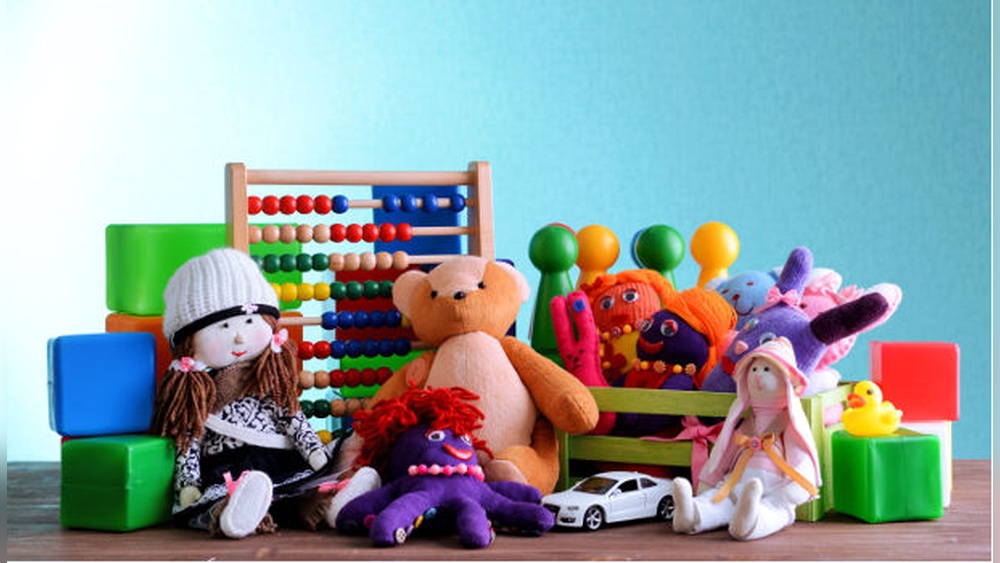
Have you ever wondered why every toy comes with warnings and safety labels? You might think these rules are just extra steps, but they actually protect your child in important ways.
Toys are meant to bring joy, not danger. Understanding why toy safety standards exist helps you make smarter choices for your family. Keep reading to discover how these rules keep your little ones safe and why they matter more than you might realize.
Credit: www.cpsc.gov
Origins Of Toy Safety Standards
Toy safety standards were created to protect children from harm. Toys can be fun but also dangerous without rules. These standards help keep toys safe for play. Understanding their origins shows why safety is so important.
Early Incidents And Accidents
Many toy-related accidents happened in the past. Some toys had sharp edges or small parts. Children choked or got hurt from these toys. These incidents raised concern among parents and doctors. They called for rules to prevent injuries.
Role Of Regulatory Bodies
Governments formed groups to oversee toy safety. These groups test toys before they reach stores. They make sure toys meet safety rules. They also recall dangerous toys from shelves. Their work protects children every day.
Evolution Of Safety Regulations
Safety rules changed as new risks appeared. Early rules focused on choking hazards and sharp parts. Later, they included chemicals and battery safety. Rules also cover toy durability and labeling. These changes make toys safer over time.

Credit: en.wikipedia.org
Common Hidden Dangers In Toys
Toys bring joy to children but can hide risks. Many dangers are not obvious at first. Parents and caregivers need to know these hidden threats. Recognizing these risks helps keep kids safe while they play. Toy safety standards exist to reduce harm from these dangers.
Choking Hazards
Small parts can easily block a child’s airway. Toys with tiny pieces pose a big risk to young kids. Buttons, beads, and detachable parts are common culprits. Babies and toddlers are especially vulnerable to choking. Careful checks of toy size and parts are essential.
Toxic Materials
Some toys contain harmful chemicals and paints. Lead, phthalates, and other toxins can affect health. Kids often put toys in their mouths, increasing exposure. Safe toys use non-toxic, child-friendly materials. Avoid toys with strong smells or peeling paint.
Sharp Edges And Small Parts
Broken toys can develop sharp edges that cut skin. Poorly made toys may have loose small parts that cause injuries. Splinters and jagged pieces hurt children during play. Toys should be sturdy and smooth to prevent harm. Regularly inspect toys for damage and remove unsafe ones.
Key Toy Safety Standards Worldwide
Toy safety standards protect children from harmful products worldwide. These rules set limits on materials, design, and testing. They help prevent choking, poisoning, and injuries. Different regions have their own safety rules. Understanding these standards helps parents and makers choose safe toys.
Us Cpsia Guidelines
The Consumer Product Safety Improvement Act (CPSIA) is the main US law for toy safety. It limits lead and phthalates in toys. CPSIA also requires testing and certification for all children’s products. Toys must meet strict mechanical and chemical safety tests. The law helps keep dangerous toys off the market.
European En71 Requirements
EN71 is the key toy safety standard in Europe. It has several parts covering different risks. These include mechanical safety, flammability, and toxic chemicals. Toys must pass tests before sale in the European Union. EN71 protects children by ensuring toys are safe to use and handle.
Other International Standards
Many countries have their own toy safety rules. For example, Canada uses the Canada Consumer Product Safety Act. Australia follows the AS/NZS ISO 8124 standard. These rules often align with global practices. They focus on preventing choking, sharp edges, and toxic substances. International standards create safer toys everywhere.

Credit: en.wikipedia.org
Testing And Certification Processes
Toy safety standards protect children from harm. Testing and certification are key parts of these standards. They ensure toys meet strict safety rules before reaching kids. These processes check if toys are safe to use.
Testing and certification happen in several steps. Each step focuses on different safety aspects. These steps help keep dangerous toys off the shelves.
Laboratory Testing Methods
Laboratories run many tests on toys. They test materials for toxic chemicals and choking hazards. Mechanical tests check if small parts break off easily. Tests also measure sharp edges and durability. Each test follows clear rules to find risks. Only toys that pass all tests move forward.
Certification Labels And Marks
Certified toys carry special labels or marks. These marks show the toy meets safety standards. They help parents find safe products quickly. Common marks include symbols from trusted safety groups. Labels also provide information about age limits and warnings. This helps buyers make smart choices.
Ongoing Compliance Checks
Safety checks do not stop after certification. Factories face regular inspections to keep standards high. Random samples of toys are tested again. This ensures ongoing safety for all batches. Non-compliant toys are removed from the market. These checks protect children long term.
Impact On Manufacturers And Retailers
Toy safety standards have a strong impact on manufacturers and retailers. These rules guide how toys are designed and sold. The goal is to keep children safe and avoid problems for businesses. Meeting these standards affects many parts of the toy business. From design to sales, safety rules shape decisions and actions.
Design And Material Choices
Manufacturers must choose safe materials for toys. They avoid harmful chemicals and sharp edges. The design must prevent choking or injury risks. Safety standards set clear rules for size and parts. These rules make sure toys are safe for all ages. Careful choices reduce product recalls and complaints. Safe design builds trust with customers and partners.
Liability And Legal Risks
Retailers and makers face legal risks if toys are unsafe. Lawsuits can cost money and damage reputation. Following safety standards helps avoid fines and legal trouble. Proper testing and certification protect companies from risks. Being careful with safety keeps businesses out of court. It also shows responsibility toward customers and the law.
Market Trust And Brand Reputation
Safety standards build trust with buyers and parents. Safe toys create a positive brand image. Customers prefer brands known for safety and quality. Retailers stock safe toys to keep shopper confidence. Good reputation leads to repeat business and growth. Unsafe products harm sales and brand value quickly. Trust is a key asset in the toy market.
How Parents Can Ensure Toy Safety
Parents play a key role in keeping toys safe for children. Toys can be fun and educational, but safety must come first. Taking simple steps can prevent accidents and health risks. Understanding toy safety rules helps parents make smart choices.
Reading Labels And Certifications
Always check the toy’s label before buying. Look for safety marks like ASTM, CE, or CPSIA. These show the toy meets safety rules. Labels also tell about materials used and warnings. This helps avoid harmful chemicals or small parts.
Age-appropriate Toy Selection
Choose toys suitable for your child’s age. Toys for older kids may have small parts that younger kids can swallow. Age ratings on packaging guide this choice. Picking the right age group reduces choking risks and injuries.
Regular Toy Inspections
Check toys often for damage or wear. Broken toys can have sharp edges or loose parts. Remove or fix damaged toys immediately. Clean toys regularly to avoid germs and dirt. Safe toys mean happy playtime and peace of mind.
Future Trends In Toy Safety
The world of toys is changing fast. New technology and growing awareness bring fresh challenges. Toy safety standards must evolve to protect children better. Future trends show clear directions for safer play.
Smart Toys And Cybersecurity
Toys are getting smarter with internet connections and sensors. These smart toys can collect data and interact with children. This raises concerns about privacy and hacking risks. Safety standards will focus more on cybersecurity to keep kids safe online. Rules will ensure data protection and limit unauthorized access.
Sustainable And Non-toxic Materials
Parents want toys made from safe and eco-friendly materials. Toxic chemicals can harm children and the environment. Future toy safety will emphasize non-toxic, recyclable, and biodegradable materials. This reduces pollution and health risks. Manufacturers will follow stricter rules for material safety and sustainability.
Global Harmonization Of Standards
Toy markets are global, but safety rules vary by country. This creates confusion and risks for families and makers. Efforts to harmonize standards worldwide will grow. One set of rules will simplify safety checks and increase product trust. This trend helps protect children everywhere with consistent safety measures.
Frequently Asked Questions
Why Are Toy Safety Standards Important?
Toy safety standards protect children from hazards like choking or toxic materials. They ensure toys are safe and reliable for all age groups, reducing accidents and injuries.
How Do Toy Safety Standards Protect Children?
These standards set strict rules on materials, design, and testing. They prevent harmful substances and unsafe features, ensuring toys are safe for play.
Who Enforces Toy Safety Standards?
Government agencies and independent organizations enforce toy safety standards. They conduct testing and certification to ensure compliance before toys reach the market.
What Risks Do Toy Safety Standards Address?
Toy safety standards address choking, sharp edges, toxic chemicals, and small parts. They help prevent injuries and long-term health issues in children.
Conclusion
Toy safety standards protect children from harm. They set clear rules for safe materials and designs. Parents can trust toys meet these important checks. Without these standards, risks would rise greatly. Every child deserves safe play and care. Safety rules help keep fun worry-free and secure.
Choosing toys that follow these rules matters most. Safety standards exist to save lives and prevent injuries. Simple steps make a big difference in children’s safety. Always look for certified toys for peace of mind.
