
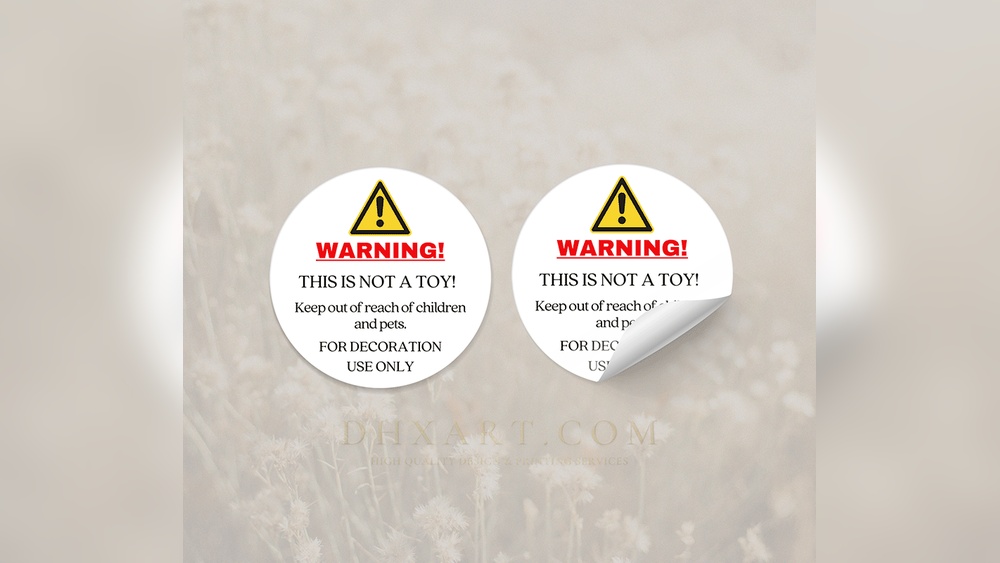
Have you ever wondered why toy age labels matter so much? These small stickers on toys hold big importance for you and your child’s safety and happiness.
Choosing the right toy isn’t just about fun—it’s about making sure it fits your child’s development and keeps them safe. You’ll discover why paying attention to age labels can save you from costly mistakes and ensure your child enjoys every playtime moment.
Keep reading to learn how these labels protect your little one and make your shopping easier.
Role Of Age Labels
Toy age labels play a vital role in toy safety and enjoyment. They help parents and caregivers choose the right toys for children. Age labels show which toys are safe and suitable for certain ages. This prevents children from playing with toys that might be too hard or dangerous for them.
These labels also help children find toys that match their skills. Toys that are too easy or too hard may not keep a child interested. Age labels guide users to toys that fit a child’s development level. This makes playtime fun and educational.
Purpose Of Age Recommendations
Age recommendations tell which age group a toy is designed for. They consider safety risks like choking hazards. Small parts can be harmful to young children. Age labels warn about such dangers.
These recommendations also ensure toys match a child’s ability. For example, puzzles for toddlers are simpler than those for older kids. This helps children learn new skills at the right pace. Age labels make this learning safe and effective.
How Labels Guide Purchases
Age labels help buyers pick suitable toys quickly. They save time by showing the right age group on the package. Parents can avoid buying toys that may harm their child.
Shoppers can compare toys easily using age labels. They help find options that fit a child’s needs and interests. Retailers use these labels to organize shelves and offer clear choices. This makes the buying process easier and safer for families.
Safety Considerations
Safety is the top priority when choosing toys for children. Age labels help guide parents and caregivers to select appropriate toys. These labels reduce risks and keep kids safe during play. Understanding safety considerations helps prevent accidents and injuries.
Preventing Choking Hazards
Small parts can cause choking in young children. Age labels warn if toys contain pieces that are not safe for toddlers. Toys for older kids may have small items that can be dangerous for babies. Parents use these labels to avoid choking risks.
Avoiding Toxic Materials
Toys can contain harmful chemicals or materials. Age labels ensure the toy meets safety rules for each age group. Manufacturers test toys to avoid toxic paints or plastics. This protects children from swallowing or touching dangerous substances.
Design Features For Different Ages
Toys are designed with age-appropriate features. For babies, toys are large and soft to prevent harm. Older kids get more complex toys with smaller parts and sharper edges. Age labels guide buyers to pick toys with the right design for each child.
Enhancing Play Experience
Toy age labels play a key role in making playtime better. They help pick toys that fit a child’s current needs. This choice makes play more fun and useful.
Choosing the right toy can support a child’s growth and joy. Age labels guide parents and caregivers to find toys that match the child’s abilities and interests.
Matching Toys To Developmental Stages
Toys with age labels match the child’s growth stage. Babies need simple toys, while older kids want more complex ones. This helps children enjoy play without frustration.
Proper toys support learning and keep children interested. They also prevent toys that are too hard or too easy for the child.
Encouraging Skill Growth
Age-appropriate toys help children build new skills step by step. For example, puzzles improve thinking and hand skills. Blocks encourage creativity and coordination.
These toys challenge children just enough to help them learn and grow. They keep playtime both fun and educational.
Promoting Age-appropriate Challenges
Toys with age labels offer the right level of challenge. Kids feel proud when they solve a puzzle or build something on their own. This boosts their confidence.
Challenges that fit a child’s age keep them motivated. This helps children stay focused and enjoy playing longer.
Credit: www.pressenza.com
Regulations And Standards
Toy age labels follow strict regulations and standards to keep children safe. These rules help parents choose toys that fit their child’s age and ability. They reduce risks like choking or injury from unsuitable toys. Understanding these regulations shows why age labels matter so much.
Global Safety Guidelines
Different countries set safety rules for toys. These guidelines protect children worldwide. They limit small parts for young kids and check materials for toxins. Age labels reflect these safety measures clearly. They help parents follow the right rules for their region.
Certification Processes
Toys must pass tests before sale. Certification checks if a toy meets safety standards. It looks at design, materials, and age suitability. Only certified toys get proper age labels. This process ensures toys are safe and fit for children.
Role Of Manufacturers And Retailers
Manufacturers must follow safety laws when making toys. They decide the correct age labels based on tests. Retailers also have duties. They must sell toys with clear, accurate age labels. Together, they protect children by enforcing these standards.
Parental Tips
Parents face many choices when buying toys for their children. Age labels on toys help guide these decisions. They offer clues about safety and suitability. Understanding these labels protects children from harm. It also helps parents pick toys that support growth and fun.
Interpreting Age Labels Correctly
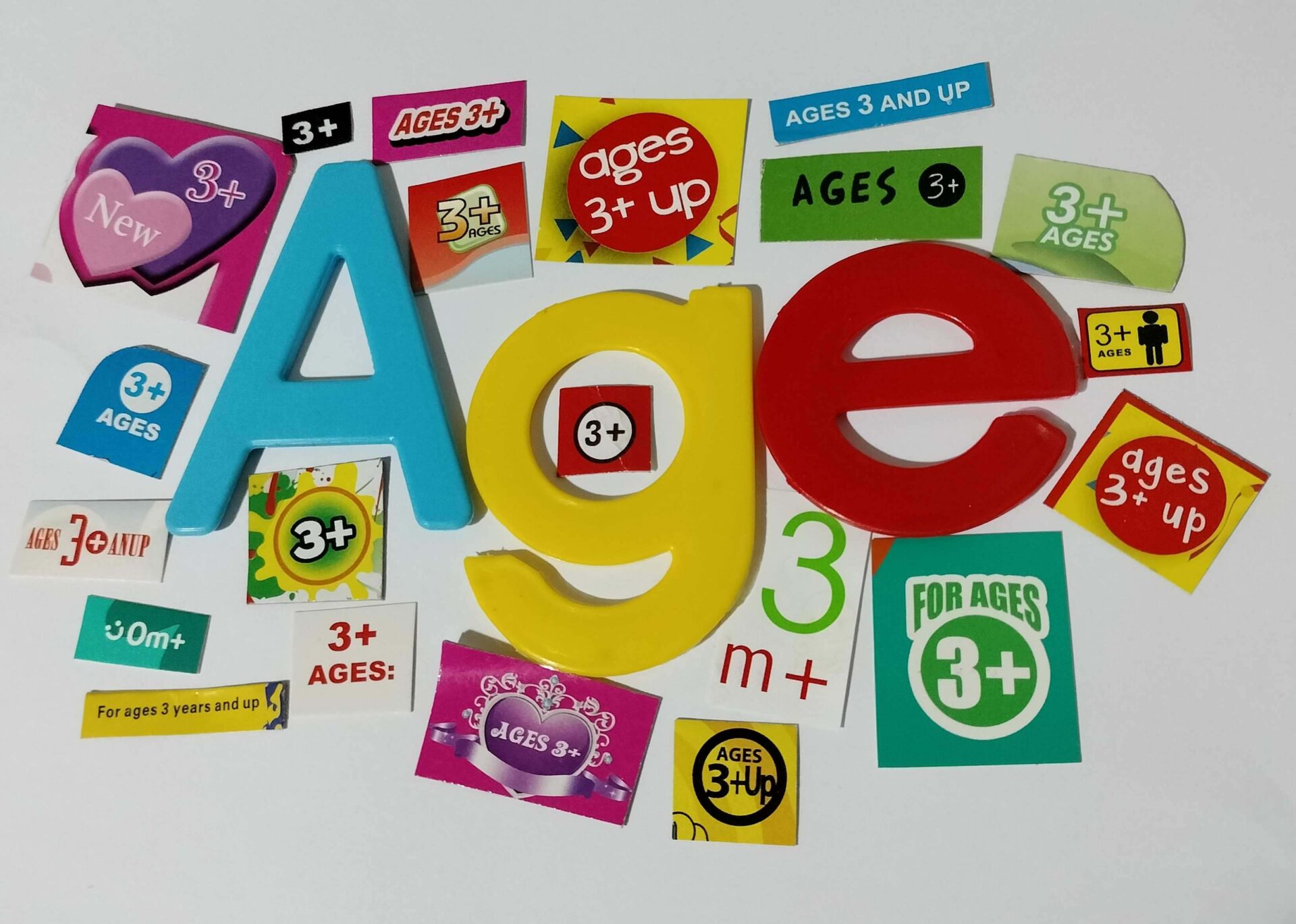
Age labels show the recommended age for a toy. They reflect safety tests and design features. A label like “3+” means the toy is safe for children three years and older. It warns parents about small parts that could be choking hazards. Reading labels carefully prevents accidents and ensures toys fit a child’s skill level.
Balancing Fun And Safety
Toys should be enjoyable and safe. Age labels help find this balance. Toys for younger kids focus on big, soft parts. Older kids get toys with more complexity and smaller pieces. Following labels keeps playtime fun without risking injury. Parents can trust labels to match toys with their child’s abilities.
When To Adapt Choices
Children develop skills at different rates. Sometimes, a toy with a higher age label fits a younger child well. Other times, a child might outgrow a toy before the label suggests. Watch your child’s interests and skills closely. Adjust toy choices based on how your child plays and learns. This approach ensures toys stay safe and engaging.

Credit: ecowastecoalition.blogspot.com
Credit: www.pressenza.com
Frequently Asked Questions
Why Are Toy Age Labels Important For Safety?
Toy age labels help ensure toys match a child’s developmental stage. They prevent choking hazards and other injuries by guiding safe usage.
How Do Age Labels Affect Toy Selection?
Age labels help parents choose appropriate toys. They ensure the toy’s complexity and safety features suit the child’s age and abilities.
Can Ignoring Age Labels Cause Risks?
Yes, ignoring age labels can lead to choking, injury, or frustration. Toys may be unsafe or too difficult for younger children.
Do Age Labels Influence Toy Durability?
Age labels often indicate the toy’s material strength and design. This ensures the toy withstands use by children within the specified age group.
Conclusion
Toy age labels help keep children safe while playing. They guide parents to choose suitable toys for their kids. These labels prevent choking hazards and other risks. Age recommendations also support children’s learning and development. Following these labels makes playtime fun and worry-free.
Always check the age label before buying toys. It protects both children and peace of mind. Age labels matter for happy, safe play experiences. Simple but important rules everyone should follow.
