
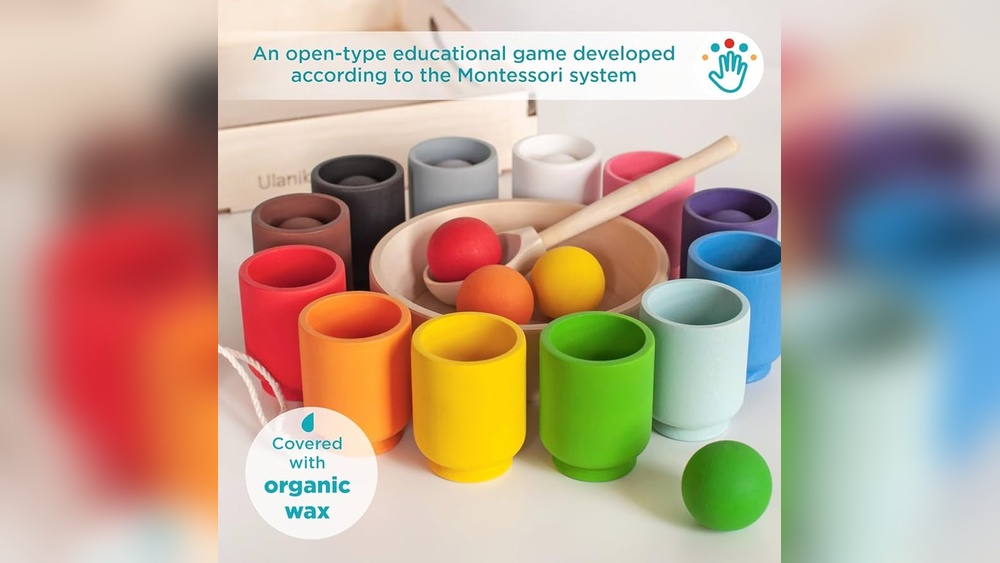
Have you ever noticed your child carefully grouping their toys by color, shape, or type? It might seem like simple play, but there’s a lot more happening behind the scenes.
When kids sort toys, they’re not just organizing – they’re learning crucial skills that shape how they understand the world. If you want to unlock the secret reasons behind this behavior and discover how it benefits your child’s growth, keep reading.
You’ll be surprised at how something so small can make such a big difference in your child’s development.

Credit: www.amazon.com
Reasons Kids Sort Toys
Children naturally sort their toys by type for many important reasons. This simple act helps them learn about the world. Sorting toys is more than just play. It supports their growth in several key ways. Understanding why kids do this can help parents and teachers encourage learning.
Sorting toys is a basic way children explore and understand their environment. It also helps build skills they will use later in life.
Natural Curiosity And Exploration
Kids are curious about how things are alike or different. Sorting toys lets them explore these ideas. They group toys by color, shape, or size. This exploration helps them notice details they might miss otherwise. It’s a fun way to discover patterns and relationships.
Developing Cognitive Skills
Sorting toys helps children improve their thinking skills. They learn to organize and categorize items. This practice strengthens problem-solving and decision-making abilities. It also teaches children how to focus on tasks. These skills are important for school and daily life.
Enhancing Memory And Recall
When kids sort toys, they remember where each item belongs. This process improves their memory and recall. They learn to recognize groups and remember details about each toy. These memory skills support learning in many areas, including reading and math.
Types Of Sorting Methods
Kids sort toys in different ways. Sorting helps them learn and understand the world. It also improves their thinking and organizing skills. There are several common methods children use to sort toys. Each method helps develop a unique set of skills.
Sorting By Shape And Size
Children often sort toys by shape and size. They put round toys in one group and square ones in another. Bigger toys go in one pile, smaller toys in another. This method helps kids notice differences and similarities. It also builds their ability to compare objects.
Grouping By Color
Color is a simple and fun way to sort toys. Kids gather toys of the same color together. Red toys in one group, blue toys in another. This sorting method helps children recognize colors better. It also trains their attention to detail and memory.
Categorizing By Function
Some children sort toys by what they do. They group cars, building blocks, or dolls separately. This method helps kids understand how things work. It also improves their ability to organize based on use or purpose. This skill is important for daily life tasks.
Early Learning Benefits
Sorting toys by type offers many benefits for young children’s early learning. It helps them understand the world around them. Children learn to group similar objects and see patterns. This simple activity supports brain development in many ways.
Boosting Problem-solving Abilities
Sorting toys requires children to think and make decisions. They figure out which toys belong together. This process builds logical thinking skills. Children learn to organize information and solve small problems. These skills help in school and daily life.
Improving Language Development
Sorting helps children learn new words. They name the toys and describe their features. Talking about groups of toys builds vocabulary. It also improves their ability to follow instructions. This practice supports better communication skills.
Strengthening Fine Motor Skills
Picking up and sorting small toys improves hand control. Children practice using their fingers with care. This builds hand-eye coordination and dexterity. These fine motor skills are important for writing and other tasks.
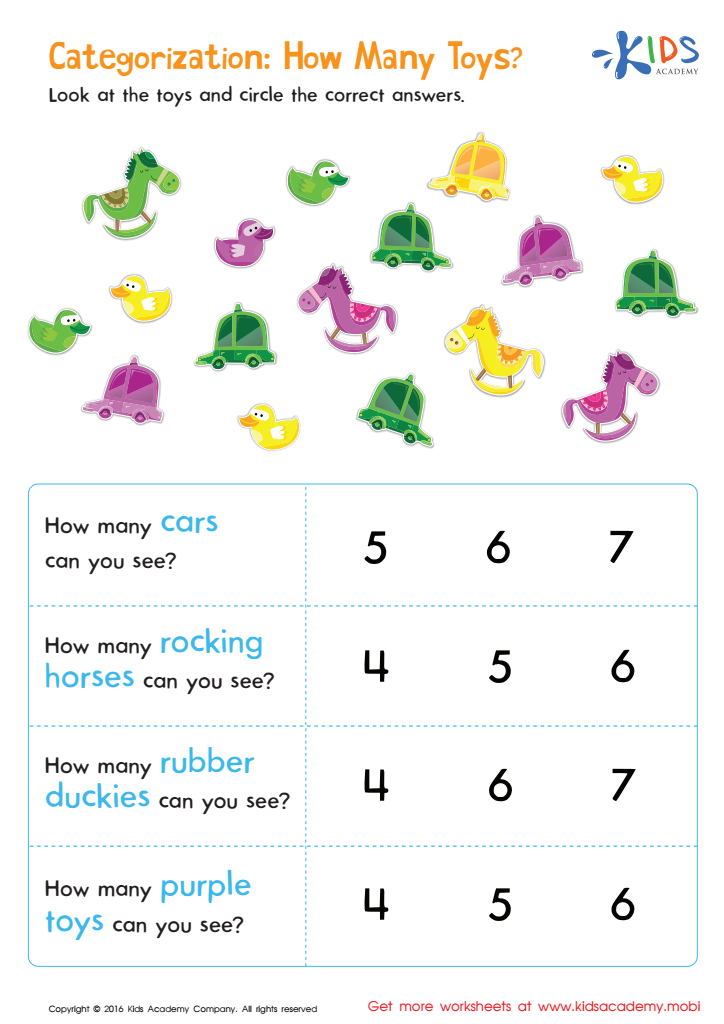
Credit: www.kidsacademy.mobi
Encouraging Sorting Activities
Encouraging sorting activities helps children learn about shapes, colors, and categories. Sorting develops critical thinking and fine motor skills. It also boosts memory and attention span. Parents and teachers can make sorting fun and easy to include in playtime.
Choosing The Right Toys
Select toys that are safe and easy to handle. Blocks, buttons, and colorful shapes work well. Choose toys with clear differences in size, color, or shape. Avoid toys that are too small or too complex. Simple toys keep children focused and motivated.
Creating Fun Sorting Games
Turn sorting into a playful challenge. Ask children to group toys by color or shape. Use baskets or containers to sort items. Make a timer to add excitement. Praise children for their effort and success. Games make learning feel like play.
Incorporating Sorting Into Daily Play
Include sorting in daily routines and free play. Sort laundry by color or socks by pairs. Organize art supplies by type or color. Encourage children to sort toys after playtime. These habits build skills naturally and often.
Signs Of Progress
Watching children sort toys by type shows clear signs of progress in their development. This simple activity reflects important skills growing stronger each day. Parents and caregivers can notice these changes as kids become more focused, organized, and independent.
Increased Attention To Detail
Kids begin to notice small differences between toys. They look carefully at shapes, colors, and sizes. This shows their brains are learning to spot details. Sorting toys helps improve their observation skills and concentration.
Better Organization Skills
Grouping toys by type teaches children how to organize things. They learn to put similar items together. This skill is useful for schoolwork and daily life. It builds a sense of order and control in their world.
Growing Independence
Sorting toys alone shows children feel more confident. They start making choices without help. This independence is key for their self-esteem. Children enjoy completing tasks on their own and feel proud.

Credit: www.education.com
Frequently Asked Questions
Why Do Kids Sort Toys By Type Naturally?
Kids sort toys by type to organize their environment. It helps them understand categories and develop cognitive skills. This natural behavior aids in learning and memory by grouping similar objects together.
How Does Toy Sorting Benefit Child Development?
Sorting toys enhances problem-solving and critical thinking skills. It improves hand-eye coordination and fine motor skills. This activity also supports language development as kids name and classify their toys.
At What Age Do Children Start Sorting Toys?
Children typically start sorting toys around 2 to 3 years old. At this stage, they recognize differences and similarities between objects. Sorting becomes a fun and educational play activity.
Can Sorting Toys Improve A Child’s Focus?
Yes, sorting toys helps improve concentration and attention span. Kids learn to focus on details and complete tasks. This practice enhances their ability to organize thoughts and actions effectively.
Conclusion
Kids sort toys by type to make sense of their world. This habit helps them learn, organize, and play better. Sorting toys improves their thinking and problem-solving skills. It also boosts focus and patience. Parents can support this natural behavior by offering different toy groups.
Watching kids sort can reveal how they understand objects and categories. This simple act plays a big role in early development. Encouraging toy sorting supports learning and creativity every day.
