
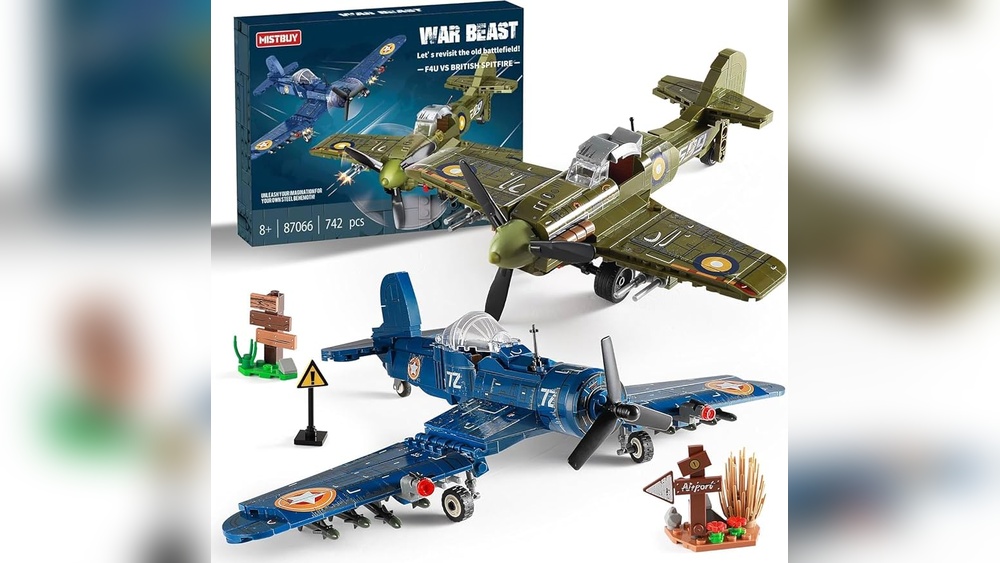
Have you ever noticed your child picking up an old toy instead of a new one? It might surprise you how powerful those familiar toys can be.
Your child’s return to old favorites isn’t just about play—it taps into deep feelings and memories. Understanding why kids revisit old toys can help you support their growth and happiness in ways you might not expect. Keep reading, and you’ll discover the hidden reasons behind this simple but meaningful behavior.
The Appeal Of Familiar Toys
Kids often return to their old toys instead of new ones. These familiar toys provide a special kind of attraction. They bring a sense of comfort and joy that new toys may not offer. The appeal lies in how these toys connect to a child’s feelings and memories.
Old toys carry stories and moments shared with family and friends. This makes them more than just playthings. They become a source of calm and happiness in a child’s busy world. Understanding this appeal helps explain why kids cherish their old toys.
Comfort And Security
Familiar toys feel safe and predictable. Kids know what to expect from these toys. This makes playtime less stressful and more relaxing. In new or unfamiliar places, old toys can soothe fears. They act like a soft blanket or a warm hug.
Children use these toys to feel grounded. The texture, smell, and look bring a sense of calm. This comfort helps kids handle changes or challenges. Old toys provide a steady, reassuring presence in their lives.
Emotional Connections
Old toys hold strong emotional value. They remind kids of happy moments and loved ones. These toys often represent important people or times in a child’s life. This connection gives the toys special meaning beyond play.
Playing with familiar toys can bring back feelings of joy and love. Kids feel close to their past experiences. These emotional bonds make children want to revisit their old toys often. The toys become a bridge between their memories and present feelings.

Credit: www.comoros.ubuy.com
Nostalgia In Childhood
Nostalgia plays a big part in why kids go back to their old toys. These toys bring back feelings from their early years. They remind children of happy times and create a special bond between the past and present. This connection helps kids feel comfort and joy in familiar playthings.
Early Memories And Play
Old toys hold memories of a child’s first adventures. These toys were part of many important moments. Playing with them again helps children remember those times. The toys become symbols of safety and fun. They carry the story of childhood in every scratch and color.
Recreating Happy Moments
Kids use old toys to bring back joyful feelings. They act out scenes that made them smile before. This play helps children feel calm and happy. Revisiting these moments gives them a chance to enjoy simple fun again. The toys are like a bridge to their best memories.
Psychological Benefits
Revisiting old toys offers children more than just fun. It helps their minds grow and feel strong. These toys bring comfort and create a safe space for children to learn about themselves and the world.
Children connect with old toys in special ways. These toys remind them of happy times. Playing with them again helps build their self-belief and creativity.
Boosting Confidence
Old toys give children chances to succeed. They know these toys well, so they feel sure while playing. This confidence helps them try new things without fear.
Success with familiar toys makes children feel proud. They learn they can solve problems and make choices. This feeling grows their inner strength and courage.
Encouraging Imagination
Old toys spark creative thoughts. Kids invent stories and games around these toys. Their minds travel to new places and ideas.
Imagination helps children understand feelings and situations. It also improves their ability to think and plan. Playing with old toys keeps their creativity alive.
Social And Developmental Factors
Children often return to their old toys because these toys play a key role in their social and developmental growth. Toys help kids connect with others and understand themselves better. Through play, children learn new skills and explore their feelings. Old toys feel familiar and safe, making it easier for kids to revisit them. These toys also carry memories that help children build social bonds and develop their identity.
Sharing Stories And Experiences
Old toys remind children of past moments with family and friends. Kids use these toys to tell stories about their adventures. Sharing these stories helps children connect with others. It also boosts their language and communication skills. Talking about toys and play experiences creates a sense of belonging. Children feel part of a group when they share these memories.
Building Identity Through Play
Playing with old toys helps children understand who they are. They explore different roles and feelings through imaginative play. This process supports emotional growth and self-awareness. Old toys give children a chance to repeat favorite scenarios. This repetition helps solidify their sense of self. Kids shape their identity by choosing how to play and what stories to tell.
Parental Influence
Parents play a big role in why kids go back to old toys. They show children that some toys have special meaning. This helps kids feel connected to their family history. Parents often keep toys from their own childhood. Sharing these toys gives children a chance to learn about the past. It also makes playtime more meaningful and fun.
Passing Down Traditions
Parents pass down toys to keep family traditions alive. These toys carry stories from one generation to the next. Children enjoy playing with toys their parents loved. It creates a link between past and present. This tradition helps kids value things that last over time. They learn respect for family memories through these toys.
Creating Family Bonds
Playing with old toys strengthens family bonds. Parents and children share moments of joy and laughter. These shared experiences build trust and love. Parents often tell stories about the toys’ history. This storytelling brings families closer together. Kids feel loved and supported when they revisit these toys.
How Toys Evolve With Kids
Toys are not just objects. They grow and change along with children.
As kids develop, their needs and interests shift. This makes old toys fresh again.
Children find new ways to play with the same toys. Their imagination shapes the experience.
Adapting Play Styles
Younger kids enjoy simple actions like stacking or sorting. As they grow, play becomes more complex.
Older children use old toys in pretend games or build new stories. The same toy fits different ages.
Changing play styles keep toys exciting and useful. They match kids’ growing skills and thoughts.
Combining Old And New
Kids mix old toys with new ones to create fresh play ideas.
This blend sparks creativity and keeps interest alive. It helps children explore more possibilities.
Old toys stay relevant by joining new toys in imaginative play. This shows how toys evolve together.
Encouraging Healthy Play Habits
Encouraging healthy play habits helps children grow and learn. Play shapes their minds, bodies, and emotions. Old toys offer comfort and familiarity. New toys bring excitement and new challenges. Balancing both supports healthy development.
Balancing New And Old Toys
Children enjoy old toys for comfort and routine. New toys spark curiosity and fresh ideas. A mix keeps playtime interesting and varied. Parents can rotate toys to keep balance. This approach avoids boredom and builds skills.
Fostering Creativity
Old toys allow kids to use their imagination freely. They create new stories with familiar items. New toys introduce fresh themes and tools. Together, they encourage creative thinking and problem solving. This mix helps children explore and invent.

Credit: www.farmcollector.com

Credit: www.amazon.com
Frequently Asked Questions
Why Do Kids Prefer Old Toys Over New Ones?
Kids revisit old toys due to familiarity and comfort. These toys spark nostalgia and encourage imaginative play. They often feel more personal and meaningful than new ones. This preference supports emotional development and creative thinking in children.
How Do Old Toys Benefit Children’s Development?
Old toys promote creativity, problem-solving, and emotional growth. They encourage open-ended play and critical thinking. These toys often have simpler designs, which stimulate imagination. Playing with old toys helps children build important cognitive and social skills.
Can Revisiting Old Toys Improve Kids’ Emotional Health?
Yes, old toys provide a sense of security and comfort. They help children manage stress and anxiety. Familiar toys create a safe environment for emotional expression. This emotional connection supports mental well-being and resilience in kids.
Do Old Toys Encourage Social Interaction Among Kids?
Old toys often foster cooperative play and sharing. They encourage kids to create stories and roles together. This interaction enhances communication and teamwork skills. Revisiting old toys can strengthen friendships and social bonds.
Conclusion
Kids often return to old toys because they feel safe and happy. These toys bring back good memories and comfort. Playing with familiar toys helps children learn at their own pace. They enjoy the simple fun and creativity these toys offer.
Old toys also allow kids to use their imagination more freely. This shows how important toys are for growth and joy. Keeping old toys around can support a child’s emotional and mental development. It’s clear why children love to revisit their favorite toys again and again.
