
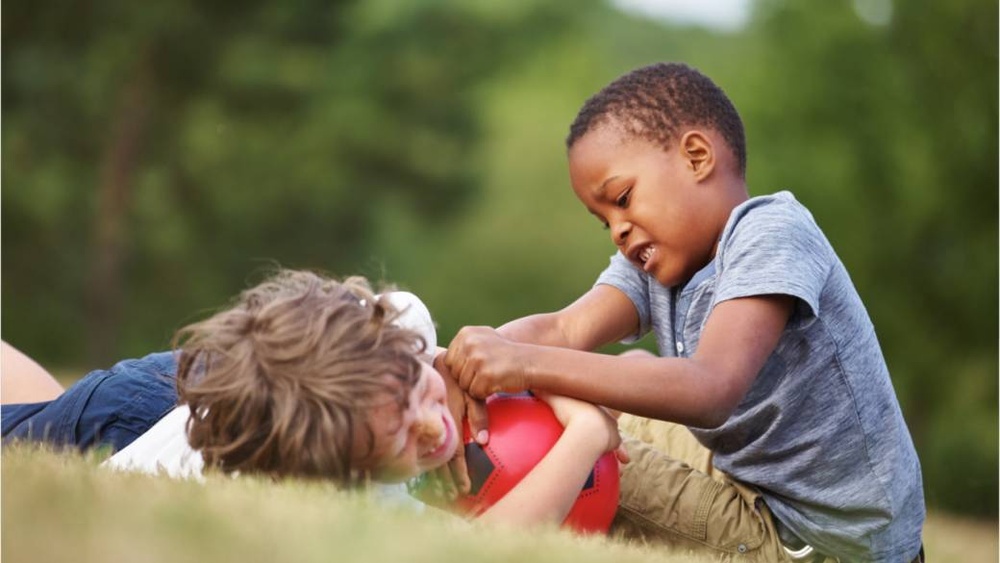
Have you ever wondered why your kids seem to play so rough with their toys? Maybe you’ve caught them tossing, banging, or even breaking their favorite action figures or building blocks.
It can be frustrating, but there’s more to this behavior than just being careless. Understanding why kids play rough can help you guide them better and even turn those noisy playtimes into moments of growth and learning. Keep reading, and you’ll discover surprising reasons behind this rough play—and how it benefits your child in ways you might not expect.
Credit: brparents.com
The Nature Of Rough Play
Rough play is a natural way children interact with their toys and environment. It helps them learn about their strength and limits. Kids use rough play to test their skills and understand how things work around them.
This kind of play is more than just fun. It supports their growth in many ways. Kids develop physical strength, coordination, and problem-solving skills through rough play.
Instincts And Energy Release
Children have strong instincts to move and explore. Rough play allows them to use their energy in a healthy way. It helps prevent restlessness and frustration. Kids feel happier and calmer after they play actively.
Exploring Physical Boundaries
Through rough play, kids learn what their bodies can do. They discover how much force to use and how to control it. This helps them avoid injuries in real life. They also understand others’ personal space better.
Role Of Imagination
Rough play often involves pretend scenarios. Kids imagine battles, adventures, or rescues with their toys. This boosts creativity and storytelling skills. It makes playtime exciting and meaningful.

Credit: theinspiredtreehouse.com
Emotional Benefits
Playing rough with toys offers more than just fun. It helps children handle their feelings in healthy ways. This kind of play supports their emotional growth. Kids learn to manage tough emotions and gain self-confidence. They find safe ways to express what they feel inside.
Managing Frustrations
Kids often feel frustrated during play. Rough play allows them to release this tension. It gives a safe space to deal with anger or disappointment. This helps children calm down and think clearly. Learning this skill early supports emotional health.
Building Confidence
Handling toys roughly lets kids test their strength and skills. Success in these actions boosts their self-esteem. Confidence grows as they see they can control their play. This feeling spreads to other parts of life too. It helps children face new challenges bravely.
Expressing Emotions Safely
Kids may feel strong emotions like anger or excitement. Rough play offers a safe outlet to show these feelings. It stops emotions from building up inside. This kind of play teaches children how to express themselves without harm. They learn to respect limits while having fun.
Cognitive Development
Playing rough with toys helps children grow their minds. It builds important skills for thinking and learning. Through active play, kids explore the world and understand how things work. Their brains develop by testing ideas and solving problems.
Problem-solving Skills
Rough play challenges kids to find answers on their own. They figure out how to fix broken toys or make parts fit. This practice improves their ability to solve problems in daily life. It also boosts confidence in trying new things.
Learning Cause And Effect
Kids learn what happens after their actions. Dropping a toy and seeing it fall shows cause and effect. Throwing a ball hard and watching it bounce teaches the same. This understanding helps them predict results and make better decisions.
Enhancing Creativity
Rough play sparks imagination and creativity. Children invent new ways to use toys and build stories. They mix ideas and create their own games. This creative thinking supports learning in many areas, like reading and writing.
Social Interaction
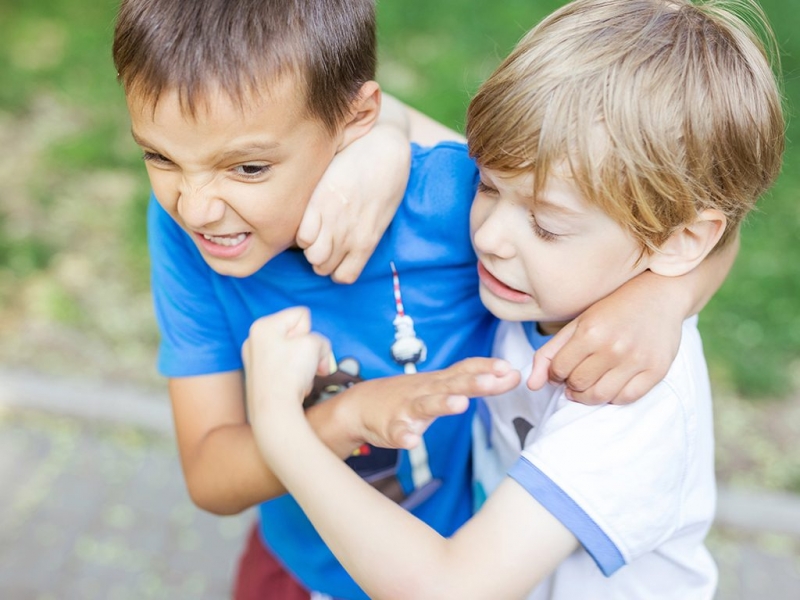
Social interaction plays a big role in why kids play rough with toys. Through play, children learn how to connect with others. They test limits and understand social rules. Playing roughly can be a way to express feelings and build bonds.
Kids use play to practice real-life interactions. This helps them grow emotionally and socially. Rough play often involves cooperation and communication. It allows children to explore how to work with peers and adults.
Imitating Peers And Adults
Children watch how others play and copy their actions. They mimic adults’ movements and speech during play. This imitation helps them learn social behaviors. Rough play often reflects what they see in friends or family. It teaches children how to express emotions safely.
Negotiating Play Rules
Rough play requires kids to set and follow rules. They learn to take turns and respect boundaries. This negotiation helps children practice problem-solving skills. They discover how to handle conflicts and agree on limits. Rules make play safer and more fun for everyone.
Building Friendships
Playing roughly can help kids form close friendships. It creates shared experiences and memories. Children feel trust when they play together physically. Rough play builds a sense of belonging. Friends learn to support and care for each other.
Safety And Supervision Tips
Safety and supervision are very important when kids play rough with toys. Parents and caregivers need to watch closely. This helps stop accidents and keeps playtime fun. Teaching kids how to play safely matters a lot. It also helps them learn good habits.
Choosing Durable Toys
Select toys made from strong materials. Toys should not break easily. Broken toys can cause cuts or choking hazards. Look for toys labeled as safe and sturdy. Avoid toys with small parts for young children. Durable toys last longer and handle rough play better.
Setting Boundaries
Explain clear rules before play starts. Tell kids what is okay and what is not. Limits help children understand safe ways to play. Remind them to keep toys away from faces. Teach kids to share space and be gentle. Consistent rules make rough play safer for everyone.
Encouraging Positive Play
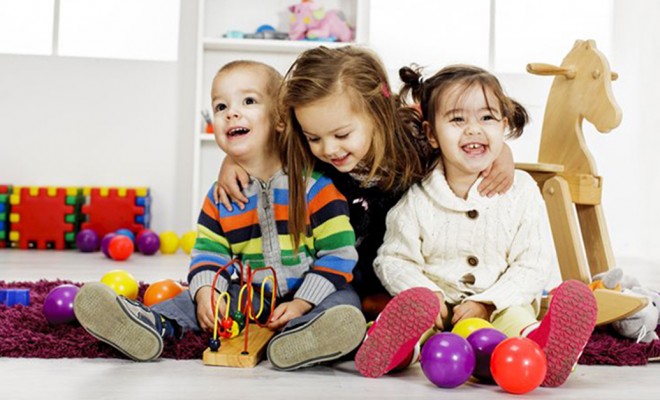
Praise kids when they play nicely. Show them how to use toys properly. Guide children to solve problems without hitting or yelling. Use playtime to build kindness and respect. Positive play creates good memories and fewer injuries. Encourage teamwork and friendly fun during rough play.
Credit: www.firstdiscoverers.co.uk
Frequently Asked Questions
Why Do Kids Play Rough With Their Toys?
Kids play rough as a way to explore and understand their environment. Rough play helps develop motor skills and emotional expression. It also boosts creativity and problem-solving by allowing children to test limits and learn cause and effect.
Is Rough Play Good For Child Development?
Yes, rough play promotes physical, social, and cognitive growth. It improves coordination, confidence, and emotional regulation. Rough play also encourages social skills like cooperation and negotiation, which are essential for healthy development.
How Can Parents Manage Kids Playing Rough With Toys?
Parents can set clear safety rules and provide durable toys designed for rough play. Supervising playtime ensures safety while allowing freedom. Encouraging gentle handling and explaining consequences helps children learn respect for their toys and others.
Does Rough Play Indicate Aggressive Behavior In Children?
Not necessarily. Rough play is often normal and healthy exploration. It does not always indicate aggression but helps children manage emotions and build social skills. Persistent aggressive behavior should be monitored and guided appropriately.
Conclusion
Kids play rough with toys to explore and learn about their world. This behavior helps them develop strength and coordination. It also boosts creativity and problem-solving skills. Parents can guide kids to play safely while encouraging this natural curiosity. Understanding why kids act this way builds patience and support.
Rough play is part of healthy growth and fun. Embrace it, watch them grow, and enjoy the journey together.
