

Have you ever noticed how your kids can spend hours lost in play with certain toys? Imaginative toys have a special way of capturing their attention and keeping them engaged much longer than others.
But why is that? What makes these toys so different and so powerful in fueling your child’s creativity and focus? If you want to understand how to choose toys that truly hold your child’s interest and help them grow, keep reading.
You’ll discover the secret behind why imaginative toys make playtime last—and why that matters for your child’s development.

Credit: www.amazon.com
Benefits Of Imaginative Play
Imaginative play offers many benefits for children’s growth. It helps them learn important skills through fun activities. Playing with imaginative toys lets kids explore new ideas and think in creative ways. This type of play builds a strong foundation for many abilities that last a lifetime.
Boosting Creativity
Imaginative toys encourage kids to invent stories and scenarios. They use their minds to create new worlds and characters. This kind of play sparks original thinking and helps children find unique solutions. Creativity grows as kids explore different roles and ideas freely.
Enhancing Problem Solving
During imaginative play, children face small challenges. They decide how to fix problems in their stories. This practice improves their ability to think critically and make decisions. Problem solving skills become sharper with each play session.
Building Emotional Skills
Imaginative play allows children to express feelings safely. They act out emotions and understand others better. This helps build empathy and emotional control. Kids learn to communicate and manage their feelings through play.
Features Of Imaginative Toys
Imaginative toys have unique features that keep children interested for long periods. These toys do not limit play to one way. They allow kids to explore, create, and invent stories. The design and use of these toys help develop a child’s creativity and thinking skills.
These features make playtime fun and meaningful. Children learn by doing and imagining. Imaginative toys support this natural way of learning.
Open-ended Design
Imaginative toys have open-ended designs. They do not have a fixed way to play. Children can use them in many different ways. This freedom encourages kids to think and imagine. Toys like blocks or dolls can become anything a child wants. This keeps children curious and engaged for longer.
Encouraging Storytelling
These toys invite children to tell stories. Kids create adventures and characters during play. Storytelling helps with language and social skills. It also makes playtime more exciting. Children feel like they are part of their own world. This connection makes play last longer.
Multi-purpose Use
Imaginative toys serve many purposes. A simple toy can be a tool, a pet, or a vehicle. This flexibility adds fun and variety. Children do not get bored quickly. They find new ways to use the same toy. This variety keeps their interest alive for hours.
How Imaginative Toys Engage Kids
Imaginative toys catch children’s attention and keep them playing longer. These toys invite kids to explore new ideas and create stories. They offer endless possibilities, making playtime exciting and fresh. Kids dive into a world where their imagination leads the way.
Such toys do not limit play with fixed rules. They encourage children to think freely and use their creativity. This open-ended play helps kids enjoy and stay engaged for longer periods.
Fostering Curiosity
Imaginative toys inspire kids to ask questions and explore. They encourage hands-on learning and discovery. Children learn by trying new things and solving small problems. This curiosity drives them to play longer and stay interested.
Promoting Role Play
Kids love to act out different characters and stories. Imaginative toys support this by providing tools for role play. Playing roles helps children understand the world and express feelings. It makes playtime meaningful and fun.
Sparking Social Interaction
Imaginative toys often invite group play. Kids share ideas and work together during play. This social interaction builds communication and teamwork skills. Playing with friends also makes the experience more enjoyable and longer-lasting.
Comparing Imaginative And Electronic Toys
Comparing imaginative and electronic toys reveals clear differences in how children engage with each type. Imaginative toys invite kids to create stories and scenarios. Electronic toys often guide play with lights, sounds, and preset activities. These differences shape how long kids play and how deeply they focus.
Active Vs Passive Play
Imaginative toys encourage active play. Kids use their minds and bodies to invent games and roles. They move pieces, build, and act out scenes. Electronic toys often lead to passive play. Kids watch screens or respond to sounds and lights. This means less physical movement and fewer creative choices.
Long-term Engagement
Imaginative toys offer long-term engagement. Children can change the story every time they play. This keeps their interest alive for days or weeks. Electronic toys may lose appeal quickly. Once kids learn all functions, they get bored. Imaginative play grows with the child’s imagination.
Impact On Focus
Imaginative toys help improve focus. Kids concentrate on creating and solving problems. They pay attention to details in their play. Electronic toys often distract with fast lights and sounds. This can reduce attention span. Imaginative play builds patience and deeper thinking skills.
Tips To Choose Imaginative Toys
Choosing the right imaginative toys helps children play longer and learn better. These toys spark creativity and keep kids interested. Selecting toys that fit your child’s needs makes playtime fun and safe. Consider a few key points before buying to ensure the best experience.
Age Appropriateness
Choose toys designed for your child’s age group. Toys too advanced can frustrate them. Toys too simple might bore them quickly. Age-appropriate toys match your child’s skills and interests. This keeps their imagination active and their playtime longer.
Material Safety
Pick toys made from safe, non-toxic materials. Check for certifications and safety labels. Avoid small parts for young kids to prevent choking. Durable materials last longer and withstand rough play. Safe toys protect your child while encouraging creative fun.
Encouraging Exploration
Select toys that let children use their imagination freely. Open-ended toys like blocks or dolls work well. These allow kids to create stories and new worlds. Toys that encourage problem-solving boost curiosity. Exploration helps children develop thinking and social skills.
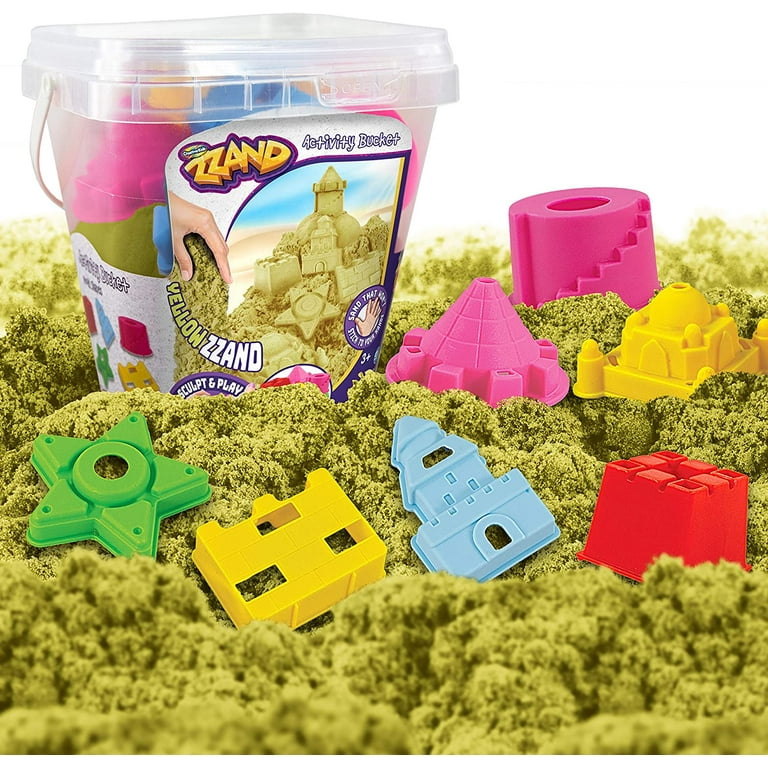
Credit: www.walmart.com

Credit: www.amazon.com
Frequently Asked Questions
Why Do Kids Prefer Imaginative Toys Over Electronic Ones?
Kids enjoy imaginative toys because they spark creativity and critical thinking. These toys encourage role-playing and problem-solving, unlike passive electronic devices. Imaginative play also boosts social skills and emotional development, making children more engaged and willing to play longer.
How Do Imaginative Toys Enhance Kids’ Creativity?
Imaginative toys allow kids to create stories and scenarios, which nurtures their creativity. They use these toys to explore new ideas and solve problems. This open-ended play helps children develop innovative thinking and express themselves freely.
Can Imaginative Toys Improve A Child’s Social Skills?
Yes, imaginative toys often involve group play, helping children share, negotiate, and cooperate. This interaction builds communication skills and empathy. Playing with others using imaginative toys teaches kids how to work in teams and respect different viewpoints.
What Makes Imaginative Toys Keep Kids Engaged Longer?
Imaginative toys offer endless possibilities, keeping children curious and interested. Unlike fixed electronic games, these toys adapt to the child’s ideas. This flexibility makes playtime more dynamic and enjoyable, encouraging longer and repeated play sessions.
Conclusion
Imaginative toys keep kids interested for longer times. They let children create stories and explore ideas freely. This type of play helps kids grow their thinking and problem-solving skills. Kids feel happy and excited while using these toys. Parents can see their children learn and have fun together.
Choosing toys that spark imagination supports healthy child development. Playtime becomes more meaningful and enjoyable with these toys. Kids return to their imaginative play again and again. This shows how powerful creative toys can be.
