
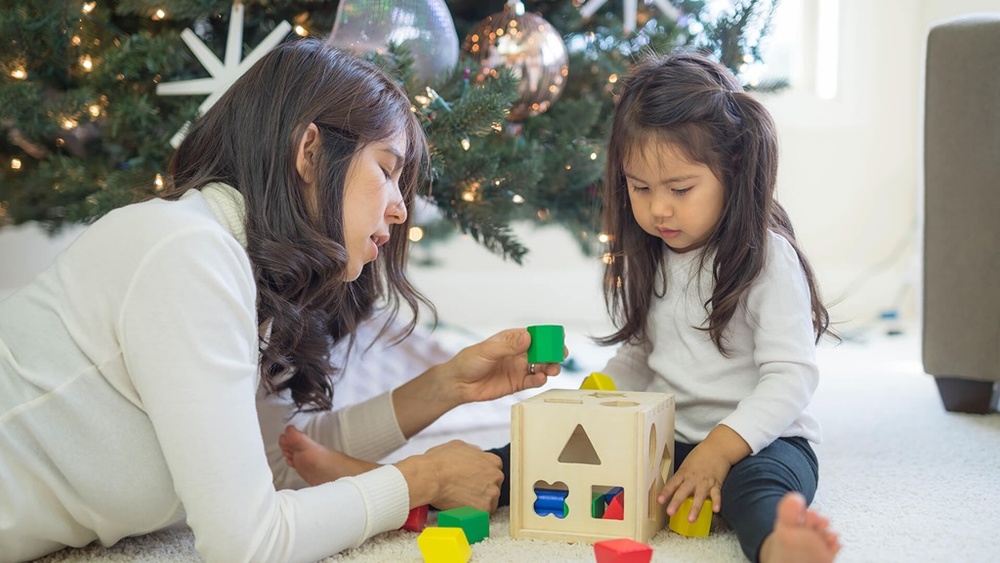
Have you ever noticed how your child seems more focused and creative when they have just a few toys around? It might surprise you, but having fewer toys can actually help your kids play better.
When there’s less clutter, their imagination gets room to grow. You’ll see them exploring ideas, solving problems, and enjoying playtime more deeply. If you want to boost your child’s creativity and happiness, understanding why less is more when it comes to toys is a game-changer.
Keep reading to discover how simplifying your child’s play space can make a big difference.
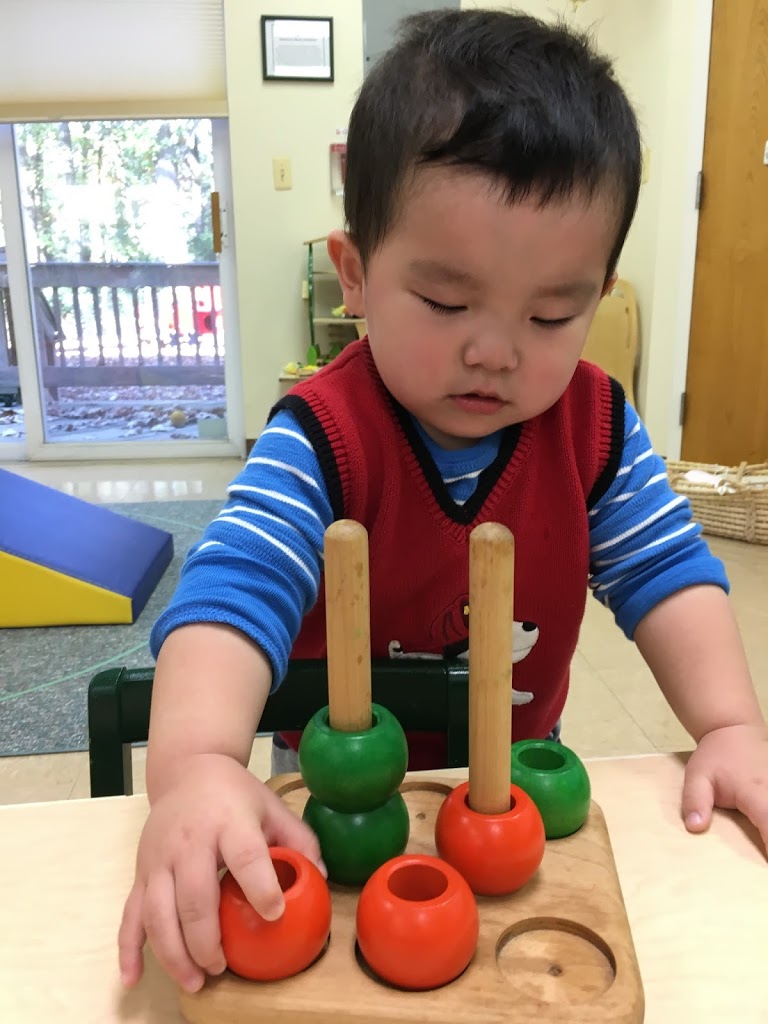
Credit: westmontmontessori.org
Benefits Of Minimal Toys
Having fewer toys helps children enjoy playtime more. It creates space for creativity and new ideas. Kids can focus better and feel less stressed.
Minimal toys encourage children to use what they have in many ways. This leads to richer play experiences and learning moments.
Boosting Imagination
With fewer toys, children use their minds more. They imagine stories and characters easily. Simple toys become many different things.
This open-ended play helps develop problem-solving skills. Kids invent games and scenarios on their own.
Enhancing Focus
Less clutter means fewer distractions. Children can pay attention longer to one activity. This improves their concentration skills over time.
Focused play helps children learn deeply and enjoy tasks more. They finish activities without losing interest.
Reducing Overwhelm
Too many toys can confuse children. They may feel unsure what to play with next. Fewer toys create a calm, inviting space.
This simplicity makes playtime peaceful and fun. Children feel more relaxed and happy while playing.
How Fewer Toys Spark Creativity
Fewer toys can actually boost kids’ creativity. With less stuff around, children use their imagination more. They find new ways to play and explore ideas. This helps their brains grow and develop important skills.
Kids start to think outside the box. They create stories, solve problems, and make up games. This kind of play is rich and meaningful. It builds a strong foundation for learning and creativity.
Encouraging Open-ended Play
With fewer toys, playtime is less about following rules. Kids can use a toy in many ways. A block can be a car, a house, or even a spaceship. This type of play has no set goals or limits. It encourages children to dream and invent. Open-ended play helps kids explore their own ideas freely.
Promoting Problem-solving Skills
When toys are limited, children find ways to fix problems on their own. They learn to think and try different solutions. This builds important problem-solving skills. Kids become confident in handling challenges. They practice patience and creativity while figuring things out.
Inspiring Storytelling
Fewer toys mean kids use imagination to create stories. They give life to toys and invent characters. Storytelling helps kids express feelings and thoughts. It also improves language skills and memory. Playing with a small number of toys turns into rich, creative adventures.
Impact On Attention And Behavior
Having fewer toys can help children focus better and behave well. A clutter of toys may confuse or distract them. Simple play spaces encourage kids to concentrate and stay calm. This section explores how fewer toys impact attention and behavior.
Improving Concentration
With fewer toys, children can focus on one activity at a time. They spend more time exploring each toy deeply. This focus builds their attention span. Kids learn to think and solve problems clearly. Concentration grows naturally with less clutter around.
Lowering Distractions
Too many toys pull a child’s attention in many directions. This creates noise and confusion in their mind. Fewer toys reduce these distractions significantly. Kids can enjoy playtime without feeling overwhelmed. A calm environment helps them stay present and engaged.
Supporting Emotional Regulation
Playing with fewer toys helps children manage their feelings. Overstimulating play can cause frustration or restlessness. Simpler play promotes calmness and self-control. Children learn to handle emotions better during play. This leads to improved behavior and mood.
Choosing The Right Toys
Choosing the right toys makes a big difference in how children play. The right toys help kids focus, learn, and enjoy their playtime more. They encourage creativity and help develop important skills. Picking fewer, better toys leads to happier and more engaged children.
Quality Over Quantity
Toys that last longer and feel good to touch hold children’s attention. Quality toys often use safe materials and have simple designs. These toys inspire imagination instead of just showing bright lights and sounds. Children learn more from toys they can use in many ways.
Multi-use And Versatile Toys
Toys that can do many things keep kids interested longer. Blocks, dolls, and art supplies allow different types of play. These toys help children create their own stories and games. Versatile toys grow with the child, offering new challenges as they get older.
Age-appropriate Selections
Toys should match a child’s age and skill level. Too easy toys can bore kids quickly. Too hard toys may cause frustration and stop play. Age-appropriate toys help children feel successful and confident. They also support learning at a natural pace.
Tips For Parents And Caregivers
Parents and caregivers play a key role in helping kids enjoy playtime with fewer toys. Simple changes can make a big difference. These tips support creativity and focus during play. They also reduce mess and stress for adults.
Rotating Toy Options
Keep only a few toys out at once. Store the rest away. Switch toys every week or two. This keeps play fresh and exciting. Kids stay interested and explore new ways to play.
Creating Play Zones
Set up small areas for different activities. One space for building blocks, another for drawing or puzzles. Clear zones help kids focus on one type of play. It makes cleaning up easier too.
Encouraging Independent Play
Give children quiet time to play alone. This builds their confidence and imagination. Avoid jumping in too quickly to help. Let kids find their own fun and solve problems.

Credit: www.washingtonpost.com
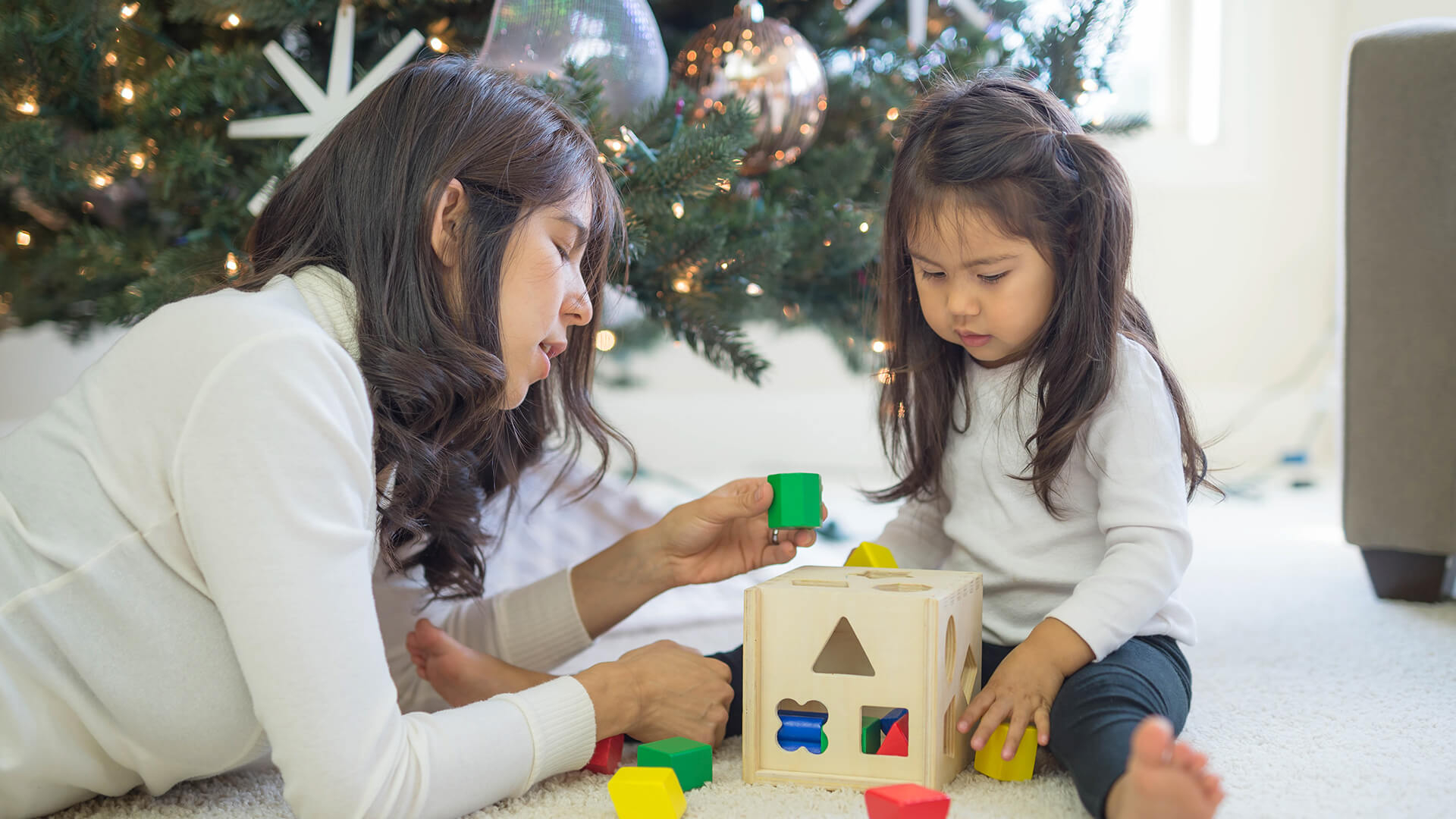
Credit: atriumhealth.org
Frequently Asked Questions
Why Do Kids Play Better With Fewer Toys?
Fewer toys reduce distractions and encourage creativity. Kids focus more and use imagination to invent new games. This leads to deeper engagement and better play quality, enhancing cognitive and social skills.
How Does Fewer Toys Improve Kids’ Creativity?
With fewer toys, children combine elements to create unique play scenarios. They think outside the box, developing problem-solving skills. This open-ended play boosts imagination and innovation.
Can Too Many Toys Overwhelm Kids During Playtime?
Yes, an excess of toys can cause sensory overload. Kids may feel stressed and have difficulty choosing. This reduces focus and enjoyment, making play less effective.
Does Fewer Toys Help In Improving Kids’ Attention Span?
Absolutely. Less clutter means fewer distractions. Kids concentrate better and for longer periods. This helps develop sustained attention and learning abilities.
Conclusion
Kids enjoy playing more with fewer toys. It helps them focus and use their imagination. Too many toys can cause distraction and stress. Simple play encourages creativity and problem-solving skills. Parents can support this by offering a few meaningful toys.
This approach also teaches kids to appreciate what they have. Playtime becomes more fun and less overwhelming. Choosing quality over quantity benefits children’s growth and happiness. Less really can be more in a child’s play world.
