
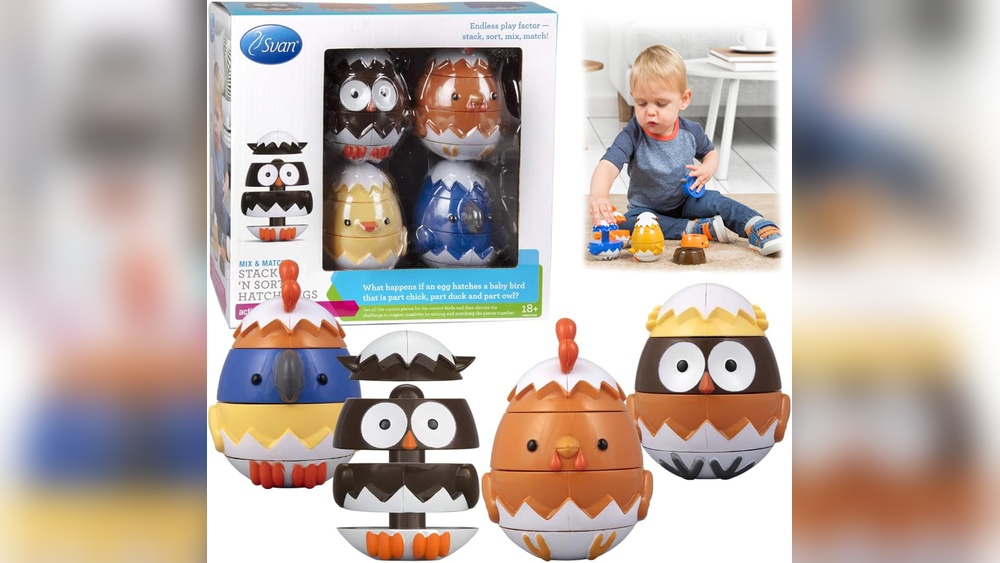
Have you ever noticed your child mixing different toys together—like combining building blocks with action figures or blending puzzles with stuffed animals? It might seem like a simple play habit, but there’s more to it than meets the eye.
Understanding why your kids do this can unlock new ways to support their creativity and growth. Keep reading to discover the surprising reasons behind this behavior and how it benefits your child’s development in ways you might not expect.

Credit: www.amazon.com
Creative Play And Toy Mixing
Kids often mix different toys during play. This habit shows their creative minds at work. Mixing toys helps children explore new ideas and stories. It makes playtime more fun and exciting. They can build unique worlds using toys from different sets.
Creative play allows kids to use imagination freely. They are not limited to one type of toy. This freedom encourages problem-solving and thinking skills. Mixing toys turns simple play into a rich learning experience.
How Mixing Toys Sparks Creativity
Combining toys pushes children to invent new games. They create unique characters and settings. This process grows their imagination and thinking. Kids learn to see toys in new ways. It helps them think beyond the usual rules.
Mixing toys also encourages storytelling. Children make up adventures and scenarios. They connect ideas from different toys. This strengthens their language and communication skills. Creativity blossoms as kids play with variety.
Benefits Of Combining Different Toys
Playing with mixed toys improves flexibility in thinking. Children learn to adapt and try different approaches. It boosts their problem-solving skills and patience. Mixing toys also helps develop fine motor skills. Handling various shapes and sizes builds coordination.
This kind of play supports social skills too. Kids share ideas and negotiate play roles. It teaches cooperation and teamwork. Mixing toys turns playtime into a learning moment. It prepares children for creative challenges ahead.
Credit: www.walmart.com
Cognitive Growth Through Play
Children learn a lot through play. Mixing different toys helps their brains grow strong. This kind of play builds thinking skills and creativity. Kids solve problems and create stories with ease. Their minds become more flexible and open.
Problem-solving With Mixed Toys
Combining toys makes children face new challenges. They find ways to fit pieces or connect ideas. This process improves their problem-solving skills. Kids learn to test ideas and fix mistakes. They become patient and think clearly.
Enhancing Imagination And Storytelling
Mixing toys sparks creative thinking in kids. They invent stories using different characters and settings. This play boosts their imagination and language skills. Kids explore new worlds and express ideas freely. Their ability to tell stories grows stronger with practice.
Social And Emotional Development
Social and emotional development is a key part of how children grow. It helps them learn to understand their feelings and the feelings of others. Playing with different toys together is more than fun. It helps children practice important social and emotional skills.
Role Of Mixed Toys In Social Skills
Mixing toys encourages children to share and take turns. They learn to cooperate and solve problems with friends. Different toys invite children to create stories and act out roles. This play builds communication skills and teamwork. Children practice listening and expressing ideas clearly.
Expressing Emotions Through Play
Children show their feelings through the way they play. Mixed toys help them explore many emotions like joy, fear, or anger. Pretend play with various toys allows kids to act out real-life situations. This helps them understand their own emotions better. Play becomes a safe space for children to express what they feel inside.
Credit: www.walmart.com
Types Of Toy Combinations
Kids enjoy mixing different toys to create new stories and adventures. Combining toys helps them think creatively and explore new ideas. They use their imagination to bring different worlds together. This mixing also improves their problem-solving skills and fine motor skills. Various toy combinations offer endless possibilities for fun and learning.
Mixing Action Figures And Building Blocks
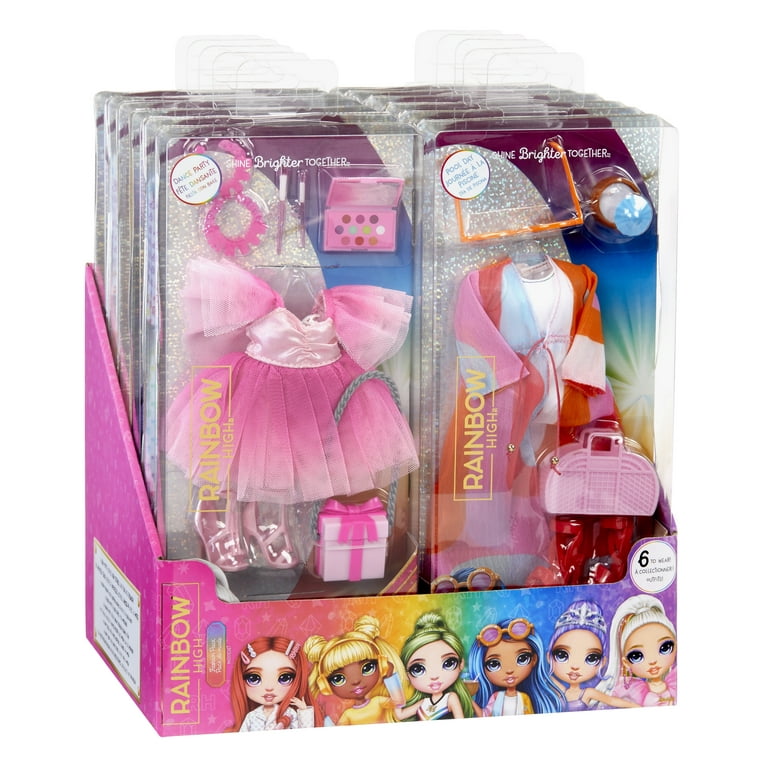
Children often combine action figures with building blocks. They build forts, castles, or cities using blocks. Then, they place action figures as heroes or villains in these settings. This mix lets kids create stories and physical play areas. It encourages both creative building and imaginative role play.
Blending Dolls With Vehicles
Kids also like to mix dolls with toy vehicles. Dolls become passengers or drivers in cars, trucks, or planes. This combination sparks storytelling about travel and daily life. It helps children understand social roles and movement. Blending dolls and vehicles adds excitement to pretend play.
Encouraging Toy Mixing At Home
Encouraging kids to mix different toys at home helps develop creativity and problem-solving. It allows children to explore new ideas and use their imagination freely. Mixing toys breaks the usual play patterns and makes playtime more exciting. This kind of play supports brain growth and social skills too.
Creating Open-ended Play Spaces
Set up areas where kids can play with many types of toys together. Use bins or shelves with mixed toys like blocks, dolls, cars, and puzzles. Leave space for kids to move toys around and build their own stories. Open-ended play spaces invite children to experiment and combine toys in new ways. Avoid strict rules about how toys should be used. This freedom encourages creative thinking and longer play sessions.
Tips For Parents To Foster Creativity
Offer a variety of toys that work well together. Ask simple questions like, “What happens if you put this here?” Show interest in their mixed play ideas. Praise their creativity and unique ways of playing. Avoid interrupting or correcting too much. Let children lead the play and explore at their own pace. Rotate toys regularly to keep play fresh and inspiring. Encourage sharing and group play to boost social skills.
Common Misconceptions About Toy Mixing
Many adults believe mixing toys confuses children. They think kids need to keep toys separate. This idea comes from how adults organize things. Adults like order and clear categories. Children do not think the same way. They use toys to explore and imagine.
Mixing toys helps kids learn in many ways. It sparks creativity and problem-solving skills. Understanding these common misconceptions helps adults support play better.
Why Mixing Toys Isn’t Confusing For Kids
Kids see toys as tools for play, not fixed items. They enjoy combining blocks, cars, and dolls in one game. This mix creates new stories and ideas. Children do not need strict rules to play well. Their brains handle many ideas at once. Mixing toys helps them connect different concepts.
Children learn to solve problems by mixing toys. They practice flexible thinking, which is key for growth. Mixing toys is natural, not confusing for kids.
Separating Toys Vs. Combining For Growth
Adults often separate toys to keep things tidy. This can limit a child’s imagination. Combining toys lets children invent new worlds. It encourages exploration beyond simple play.
Separating toys may teach order, but combining teaches creativity. Both have value but serve different purposes. Encouraging toy mixing helps kids develop better thinking skills.
Frequently Asked Questions
Why Do Kids Mix Different Toys Together?
Kids mix toys to boost creativity and imagination. Combining toys helps them explore new stories and scenarios. It enhances problem-solving skills and makes playtime more engaging and fun.
How Does Mixing Toys Benefit Child Development?
Mixing toys improves cognitive and social skills. It encourages flexible thinking and collaboration. Children learn to adapt ideas and build complex play, fostering emotional and intellectual growth.
Is Mixing Toys Common Among All Children?
Yes, most children naturally mix toys during play. It reflects their curiosity and desire for diverse experiences. This behavior supports creative learning and helps them understand the world better.
Can Mixing Toys Improve Problem-solving Skills?
Absolutely, mixing toys challenges kids to think critically. They experiment with different combinations to find solutions. This process strengthens reasoning and decision-making abilities.
Conclusion
Kids mix toys to explore and create new stories. This play helps them learn and grow. Different toys spark their imagination and keep playtime fun. Mixing toys also teaches problem-solving and sharing skills. Letting children combine toys supports their natural curiosity.
Watching them invent shows how smart and creative they are. Encouraging this helps kids develop important skills for life. Simple play can lead to big learning moments every day.
