
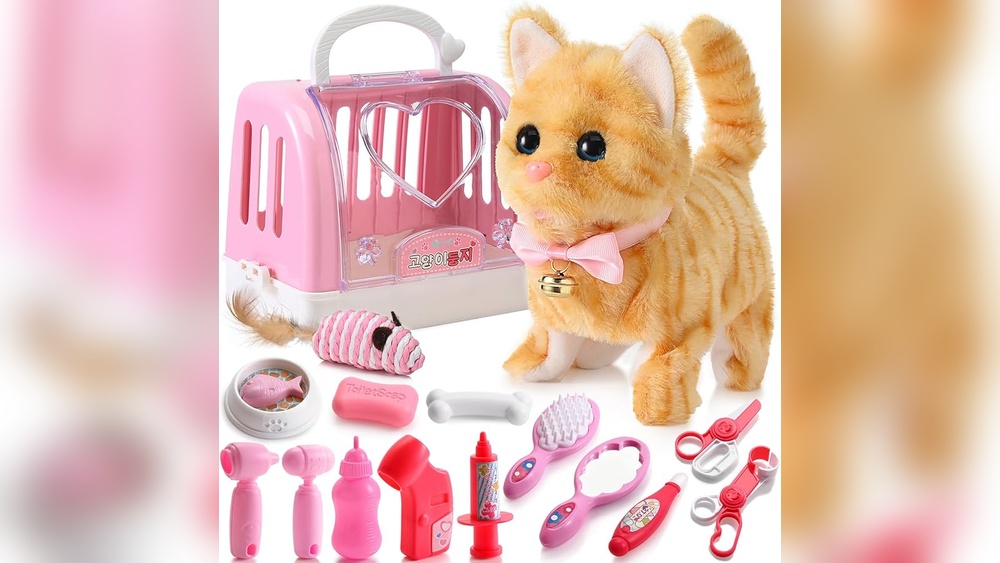
Have you ever wondered why your child is drawn to toys that move? It’s not just fun or noise—there’s something special about these toys that captures their attention like nothing else.
When a toy moves, it sparks your child’s curiosity and keeps them engaged longer. You’ll notice how their eyes light up, their imagination kicks into gear, and they can’t wait to play again. Understanding why kids love moving toys can help you choose the best ones that boost their learning and happiness.
Keep reading to discover the fascinating reasons behind this simple but powerful attraction.

Credit: www.walmart.com
Appeal Of Moving Toys
Moving toys have a special charm for kids. They catch the eye and make playtime more exciting. These toys offer more than just fun. They help children learn and explore in active ways. The motion adds a dynamic element that sparks interest and joy.
Stimulating Senses And Curiosity
Moving toys engage multiple senses at once. Kids see the motion, hear sounds, and sometimes feel vibrations. This sensory mix makes play more vivid and real. Curiosity grows as children watch how toys move and react. They ask questions and try to understand cause and effect.
Encouraging Interactive Play
Movement invites children to join in. Kids push, pull, or chase the toys, making play a hands-on experience. This interaction helps build motor skills and hand-eye coordination. Moving toys often inspire group play, encouraging sharing and teamwork. Children learn social skills while having fun.
Capturing Attention And Imagination
Moving toys hold children’s attention longer than static ones. The change in position or speed keeps kids interested. These toys often spark imaginative stories and scenarios. Children picture adventures where moving toys become characters or vehicles. This boosts creativity and storytelling skills.
Benefits For Child Development
Toys that move catch children’s attention and keep them curious. These toys help kids grow in many ways. Moving toys encourage children to learn new skills while having fun. Play becomes a chance to develop their bodies and minds. This section explains the key benefits of moving toys for child development.
Enhancing Motor Skills
Moving toys require children to use their hands and fingers. This practice improves hand-eye coordination and fine motor skills. Kids learn to grasp, push, pull, and control objects. These actions strengthen muscles and improve balance. Playing with moving toys also helps with timing and rhythm. Motor skill growth is essential for writing and daily tasks.
Boosting Cognitive Abilities
Moving toys stimulate children’s thinking and attention. Kids observe how toys react to their actions. This process improves memory and concentration. Children learn about cause and effect through play. They begin to understand simple physics like motion and speed. Cognitive skills develop as children explore and experiment.
Promoting Problem-solving
Moving toys often present challenges to solve. Children must figure out how to make toys work or move in certain ways. This encourages logical thinking and creativity. Kids try different methods to achieve their goal. They learn patience and persistence during this process. Problem-solving skills gained through play help in school and life.
Types Of Moving Toys Kids Enjoy
Moving toys catch the attention of many kids. They bring energy and excitement to playtime. These toys help children learn cause and effect. They also encourage imagination and creativity. Different types of moving toys appeal to kids in various ways. Each type offers unique fun and learning experiences.
Below are some popular moving toys that children enjoy the most.
Remote-controlled Vehicles
Remote-controlled cars, trucks, and drones are very popular. Kids love to drive them around and explore. They improve hand-eye coordination and fine motor skills. These toys allow kids to feel in control and adventurous. Racing and obstacle courses add extra fun.
Wind-up And Pull-back Toys
Wind-up and pull-back toys are simple but exciting. Kids twist or pull them to make them move. These toys teach cause and effect clearly. They are easy to use for younger children. Cars, animals, and robots are common types. Watching the toys move surprises and delights kids.
Robotic And Electronic Toys
Robotic and electronic toys include interactive features. They can walk, talk, or respond to touch. These toys often have lights and sounds to engage kids. They help develop problem-solving and social skills. Robots that follow commands or dance are favorites. Kids enjoy the mix of learning and play.
Role Of Movement In Learning
Movement plays a key role in how children learn and understand the world. Toys that move catch kids’ attention and make learning fun. These toys help children see how their actions cause changes. They also invite kids to explore and discover new things. Movement in toys supports social skills, too, by encouraging play with others.
Cause And Effect Understanding
Moving toys help kids learn cause and effect. They push a button or pull a string. Then, the toy moves or makes noise. This shows children that their actions have results. It builds early thinking skills. Kids enjoy seeing what happens next.
Encouraging Exploration
Toys that move invite children to explore. Kids try different ways to make the toy move. This sparks curiosity and creativity. They learn about shapes, speed, and direction. Exploration helps children develop problem-solving skills. Moving toys turn playtime into learning time.
Supporting Social Interaction
Moving toys often bring children together. Kids share toys and take turns making them move. They talk and laugh during play. This helps build social skills like sharing and cooperation. Playing with moving toys creates happy group moments.
Choosing Safe And Engaging Toys
Choosing safe and engaging toys is important for every parent. Toys that move catch kids’ attention easily. They help kids learn and have fun at the same time. But safety must always come first. Parents should pick toys that fit their child’s age and skills. The right toy supports play and growth without risks.
Here are some key points to consider when choosing moving toys for kids. These help keep playtime safe and exciting.
Age Appropriateness
Toys should match a child’s age and stage of development. Younger kids need simpler toys with fewer small parts. Older kids can handle more complex toys with moving parts. Age labels on packaging guide parents. They help avoid choking hazards and frustration from toys that are too hard.
Durability And Safety Features
Strong toys last longer and stay safe during play. Look for toys made of non-toxic materials. Check for smooth edges and secure parts. Avoid toys with loose or sharp pieces. Toys that move should have sturdy mechanisms that won’t break easily. This prevents accidents and injuries.
Balancing Technology And Creativity
Moving toys often include simple technology like wheels or motors. These boost interest and interaction. But too much technology can limit creativity. Choose toys that encourage imagination and problem-solving. Toys that move but also allow kids to create new stories or ways to play are best.
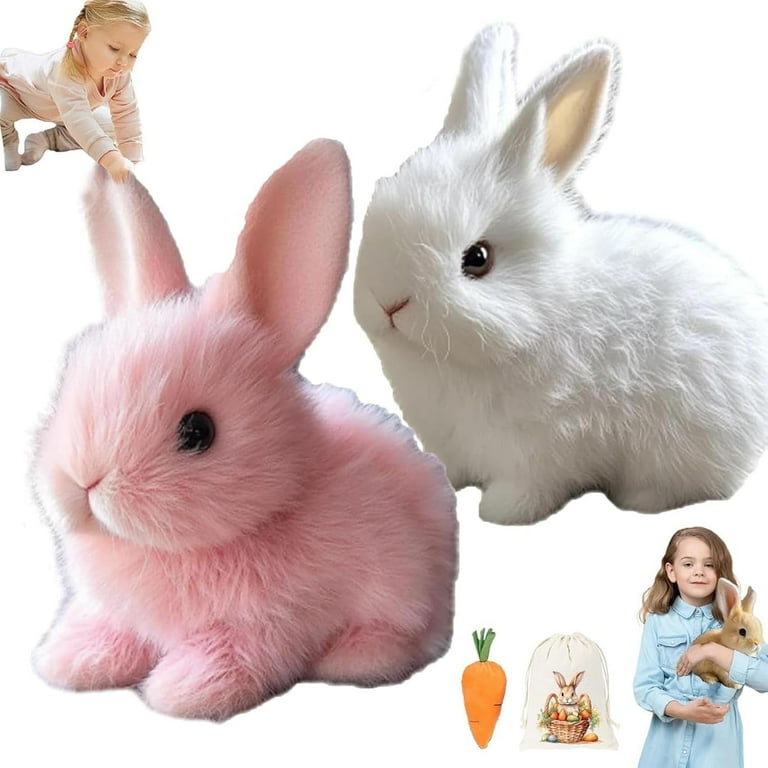
Credit: www.walmart.com

Credit: www.amazon.com
Frequently Asked Questions
Why Do Kids Prefer Toys That Move?
Kids enjoy moving toys because they stimulate imagination and motor skills. Movement captures attention and encourages active play, making toys more engaging and fun.
How Do Moving Toys Benefit Child Development?
Moving toys improve hand-eye coordination, spatial awareness, and problem-solving skills. They promote physical activity and help children understand cause and effect through interactive play.
What Types Of Moving Toys Attract Children Most?
Children often prefer cars, robots, and animals that move. Toys with lights, sounds, and remote controls are especially popular for their interactive features.
Can Moving Toys Improve Social Skills In Kids?
Yes, moving toys encourage group play and sharing. They foster cooperation and communication as kids play together and take turns controlling the toys.
Conclusion
Toys that move catch children’s attention easily. They offer fun and help kids learn about motion. Moving toys spark imagination and keep kids busy. Kids enjoy seeing things change and respond. These toys help develop hand-eye coordination too. Movement makes playtime more exciting and real.
Parents find moving toys a great choice for growth. Kids naturally love toys that come alive. It’s simple: moving toys bring joy and learning. A perfect mix for happy, growing children.
