
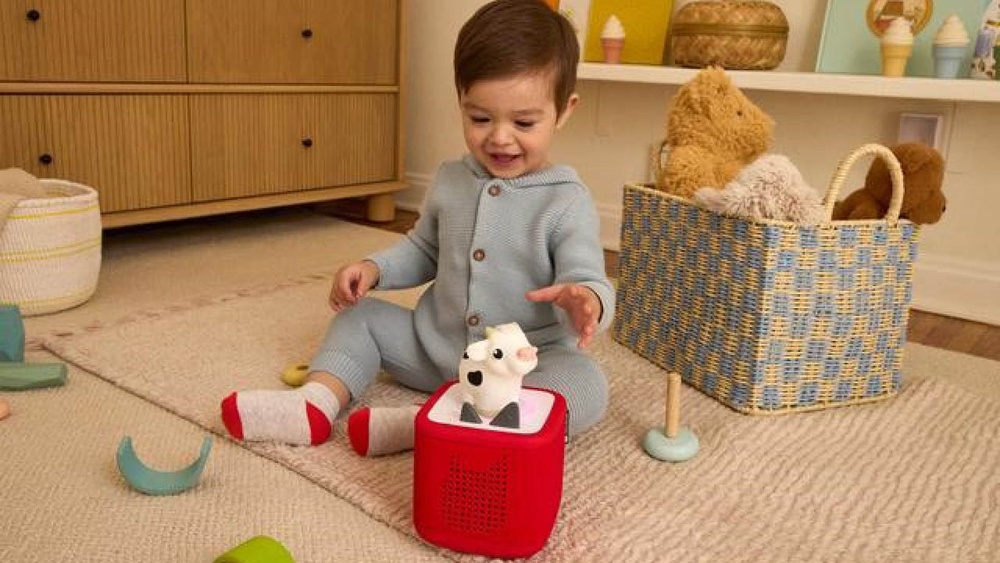
Have you ever noticed how your child often ignores a brand-new toy, even when it’s something they seemed excited about? It feels confusing, right?
You might wonder why something fresh and fun doesn’t grab their attention right away. The truth is, there’s a surprising reason behind this behavior. Understanding why kids overlook new toys at first can help you connect better with your child and even make playtime more enjoyable.
Keep reading, and you’ll discover simple insights that can change the way you approach new toys—and your child’s reactions to them.
Credit: www.wired.com
Initial Toy Rejection
Children often show little interest in new toys at first. This is called initial toy rejection. It is a normal part of how kids explore and learn. Understanding why this happens helps parents and caregivers support children better. Kids need time to get used to new objects in their environment.
At first, new toys can seem strange or confusing. Kids might ignore them because they do not yet understand what the toy does. They prefer familiar toys that feel safe and fun. This reaction is part of how children build trust and comfort with their surroundings.
Common Reactions To New Toys
Some kids look at new toys without touching them. Others may push the toy away or walk past it. Some might even cry if the toy feels too different. These reactions are normal and show the child is cautious. It means they need more time to feel safe with the toy.
Children often return to old toys first. These toys give them a sense of security. Slowly, they may start to explore new toys by watching or gentle touching. This gradual approach helps children gain confidence.
Role Of Familiarity In Toy Preference
Familiar toys have known shapes, colors, and sounds. Kids like what they recognize. Familiarity helps children feel in control and relaxed. New toys lack this comfort, so they might be ignored at first.
Repeated exposure helps children accept new toys. Seeing and handling toys more often builds interest. Over time, new toys become familiar and fun. This process supports healthy learning and play habits.

Credit: www.ebay.com
Cognitive Processing Factors
Kids often ignore new toys at first due to how their brains process information. Their minds work hard to understand new things. This mental work affects how they react to toys. Cognitive processing factors play a big role in whether a child chooses to play with a new toy quickly or not.
Children must sort through many details to enjoy a toy. This can be hard if the toy is complex or too stimulating. Their brains need time to make sense of it all. Understanding these factors helps explain why kids sometimes set new toys aside.
Overstimulation And Toy Complexity
Many toys have bright colors, sounds, and parts. This can overwhelm a child’s senses. Too much stimulation makes it hard to focus. Complex toys need more brain power to figure out. Children may feel confused or frustrated. They prefer simpler toys that are easier to understand. Overstimulation can cause kids to ignore new toys at first. Their brains need time to adjust and explore without pressure.
Decision Fatigue In Children
Kids face many choices daily. Choosing which toy to play with takes mental energy. Too many options lead to decision fatigue. This makes kids less likely to pick new toys right away. Their brains get tired from making choices. They may stick to familiar toys instead. Reducing options can help children try new toys faster. Decision fatigue slows down their interest in exploring new playthings.
Emotional Attachment To Old Toys
Children often form strong emotional bonds with their old toys. These toys are more than just playthings. They offer comfort and a sense of safety. New toys may seem strange or unfamiliar. This makes kids slow to accept them. Understanding this emotional attachment helps explain why kids ignore new toys at first.
Familiar toys carry memories and feelings. Kids feel relaxed and happy with them. New toys need time to build the same connection. This delay is normal and part of how children grow emotionally.
Comfort And Security With Familiar Items
Old toys create a safe space for children. They know how these toys work. This familiarity gives confidence during play. Kids return to what feels safe after a busy day. New toys can feel confusing or scary. The comfort of old toys makes them hard to replace quickly.
Resistance To Change In Play Patterns
Children develop routines in their playtime. Old toys fit well into these habits. Changing toys means changing how they play. This change can feel uncomfortable or upsetting. Kids prefer to stick with what they know. They slowly explore new toys when ready. This slow adjustment helps them feel in control.

Credit: londonspeechandfeeding.co.uk
Social And Environmental Influences
Kids do not decide to play with new toys alone. Their social world and surroundings shape their choices. Sometimes, children ignore new toys at first because of what they see and hear around them.
Friends, family, and home setting all affect how children react to toys. These influences guide their interest and curiosity. Understanding these factors helps explain why kids might skip new toys at first.
Peer Impact On Toy Choices
Children often watch their friends closely. They want to play with what their peers like. If friends ignore a new toy, a child may do the same.
Peer approval matters a lot. Kids feel safer choosing toys that others enjoy. Sometimes, they wait to see if a toy is popular before trying it themselves.
Parental Reactions And Expectations
Parents’ views influence kids more than you might think. If parents show little interest, children may lose interest too. Positive reactions can encourage kids to explore new toys.
Parents set rules and expectations about toys. These rules can make kids hesitant to try something new. Children often watch for approval before playing with unfamiliar toys.
Developmental Stages And Toy Interaction
Children interact with toys based on their developmental stage. Each stage shapes how they see and use new toys. Understanding these stages helps explain why kids might ignore new toys at first. Their interest grows as they learn what the toy can do. This process varies by age and skill level.
Age-related Preferences
Young toddlers prefer toys that are simple and colorful. They like toys that make sounds or have big buttons. Preschoolers enjoy toys that let them pretend and explore. Older kids want toys that challenge their thinking and skills. Age affects what a child finds fun or interesting. New toys might not match their current likes or abilities.
Learning Curves With New Toys
New toys often require time to understand. Children need to learn how the toy works. Some toys have many parts or rules. This can be confusing at first. Kids might ignore these toys until they feel confident. Repeated play helps children discover the toy’s fun features. Patience helps children enjoy new toys more.
Strategies To Encourage Engagement
New toys can seem strange to kids. They may not play with them right away. Using smart strategies helps children feel safe and interested. This section shows ways to make toys more fun and inviting.
Introducing Toys Gradually
Start by showing one new toy at a time. Let children watch and explore it slowly. Avoid giving many toys all at once. Too many toys can feel overwhelming and confusing.
Keep the toy in view but don’t force play. Children need time to get curious. Try placing the toy near their usual play area. This gentle approach encourages natural interest.
Incorporating Toys Into Familiar Play
Use new toys with games children already enjoy. This makes the toy feel less strange. For example, add a new doll to a favorite tea party. Or use a new car in a well-known race track.
Join in and show how to play with the toy. Kids learn by watching and copying. Mixing new toys with familiar play builds comfort. Soon, children will want to explore on their own.
Frequently Asked Questions
Why Do Kids Ignore New Toys Initially?
Kids may ignore new toys because they are unfamiliar and need time to explore. They often prefer familiar toys due to comfort and routine. Curiosity grows gradually as they understand the new toy’s features and play possibilities.
How Long Do Kids Take To Accept New Toys?
Acceptance time varies, but usually kids take a few days to weeks. They observe and learn how to use the toy before engaging fully. Patience and gentle encouragement from parents can speed up this process.
Does Toy Complexity Affect Kids’ Interest?
Yes, complex toys may overwhelm children at first. Simpler toys are easier to understand and engage with quickly. Gradual introduction and guidance help kids appreciate complex toys over time.
Can Kids’ Mood Influence Toy Acceptance?
Absolutely, a child’s mood impacts their willingness to try new toys. If they’re tired or upset, they may ignore toys initially. Positive mood and playful environment encourage exploration and interaction.
Conclusion
Kids often ignore new toys because they need time to explore. They feel more comfortable with familiar things first. Curiosity grows slowly, and interest builds step by step. Parents can help by giving gentle encouragement and patience. Watching how kids play shows their unique ways of learning.
New toys become exciting when children feel ready to try. Understanding this helps adults support kids’ play better. Patience and observation make playtime more joyful for everyone.
