
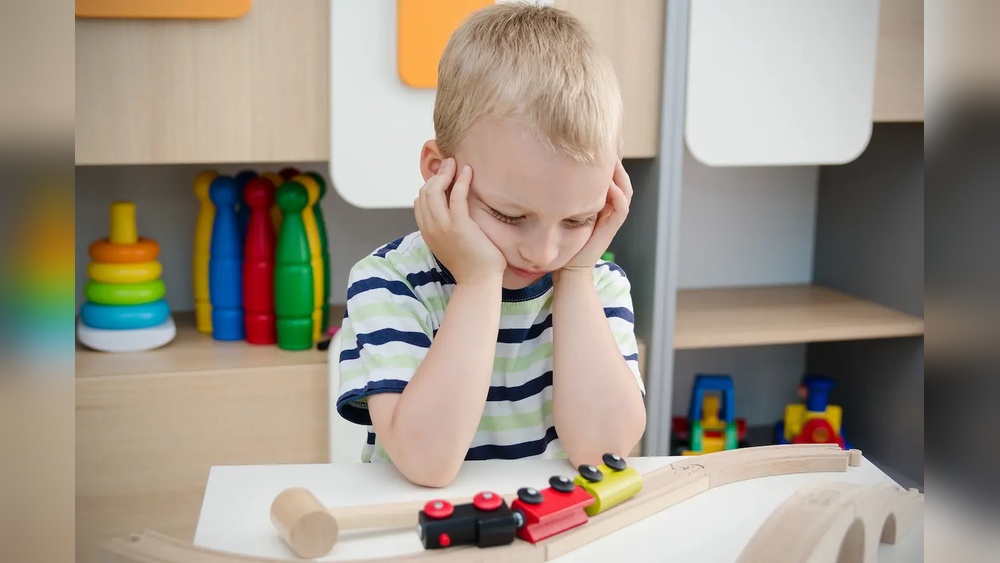
Have you ever noticed how your child’s excitement over a new toy fades faster than you expected? One day, it’s their favorite thing, and the next, it’s forgotten in a corner.
You might wonder why kids get bored with toys so quickly. Understanding this can help you choose the right toys that keep your child engaged longer. Keep reading, and you’ll discover the surprising reasons behind this common behavior—and how you can turn it around to make playtime more fun and meaningful for your little one.
Short Attention Spans
Kids today often lose interest in toys very fast. This happens mainly because their attention spans are short. Their minds want new and exciting things all the time. When a toy stops being exciting, they quickly move on to something else. Understanding why this happens helps parents choose better toys and activities.
How Digital Media Affects Focus
Digital media shows bright colors and fast movements. This keeps children’s eyes glued to screens. They get used to quick changes and constant action. Toys that do not change or move fast seem boring. Kids find it hard to focus on slow or simple toys. This reduces the time they spend playing with them.
Impact Of Instant Gratification
Kids want things that give rewards right away. Digital games and apps often provide instant feedback. Toys without instant results feel dull by comparison. Children lose patience and want new experiences quickly. This makes them switch toys before fully enjoying one. Instant gratification shapes how kids play and learn.
Lack Of Challenge
Children quickly lose interest in toys that do not challenge their minds. Kids need toys that push them to think and explore. Without challenge, toys become dull and boring. Their brains crave new problems to solve and new ideas to try. This section explains why lack of challenge causes boredom.
Toys That Don’t Stimulate Creativity
Toys that only repeat the same actions fail to spark creativity. Simple toys with limited options do not encourage imagination. Kids enjoy toys that let them build, change, or invent. Toys that do not allow these activities feel boring fast. Creativity keeps children engaged and excited.
Importance Of Problem-solving Features
Problem-solving toys hold children’s attention longer. Puzzles, building sets, and games that require thinking are great examples. These toys challenge kids to find solutions and try different methods. Solving problems gives kids a sense of achievement and fun. Without problem-solving, toys lose their appeal quickly.
Overstimulation
Kids often lose interest in toys quickly because of overstimulation. Their brains get too much input at once. This overload makes it hard to focus on one toy for long. Overstimulation can cause frustration and boredom instead of fun.
Too Many Options At Once
Toys with many buttons, parts, or features confuse kids. They try to use everything at the same time. This makes it hard to enjoy any single part. Kids feel overwhelmed and lose interest fast. Simple toys help them play longer and stay focused.
Effects Of Bright Colors And Sounds
Bright colors and loud sounds grab kids’ attention quickly. But too much noise and flashing lights can tire their senses. Instead of calming play, kids feel restless or distracted. Toys with softer colors and gentle sounds keep kids calm and engaged longer.

Credit: petocart.com
Changing Interests
Children’s interests change as they grow. Toys that excite them one day may seem dull the next. This shift happens naturally. Understanding why can help parents choose better toys and keep kids engaged longer.
Developmental Milestones And Preferences
Kids reach new skills quickly. They start to think in new ways. Toys that once matched their abilities may no longer fit. For example, toddlers love simple shapes and colors. Older kids want puzzles and building sets that challenge their minds. Their play changes to match their growing skills. Preferences shift as they learn to do more. Boredom often means the toy is too easy or no longer fits their stage.
Influence Of Peers And Media
Friends and media shape what kids like. Children watch what others play with. They want toys that are popular among peers. TV shows and online videos introduce new trends. Kids often lose interest in old toys when new ones appear in media. This influence pushes children to want different toys. It makes their interests change quickly and often.
Parental Influence
Parents play a big role in how children enjoy their toys. The way adults think about play affects how kids see their toys. Sometimes, parents expect kids to play in certain ways. This can make children lose interest in toys faster. Understanding parental influence helps explain why kids get bored quickly.
How Adult Expectations Shape Play
Adults often want children to play in specific ways. They may expect toys to teach skills or keep kids quiet. These expectations limit how children use their imagination. Toys become less fun when play feels like a task. Kids may stop enjoying toys if they feel pressure.
Role Of Parental Engagement
Parents who join in play make toys more exciting. Playing together shows kids new ways to use toys. It also strengthens the bond between parent and child. Without adult involvement, toys can seem less interesting. Active engagement keeps children curious and happy with their toys.

Credit: petocart.com
Improving Toy Longevity
Improving toy longevity helps keep kids interested longer. Toys that last provide more fun and learning time. Parents can choose and manage toys to extend their use. This reduces waste and saves money.
Choosing Open-ended Toys
Open-ended toys do not have one fixed way to play. They let kids use imagination and create new games. Blocks, dolls, and art supplies are good examples. These toys grow with the child’s skills and ideas. They stay exciting because kids find new uses for them.
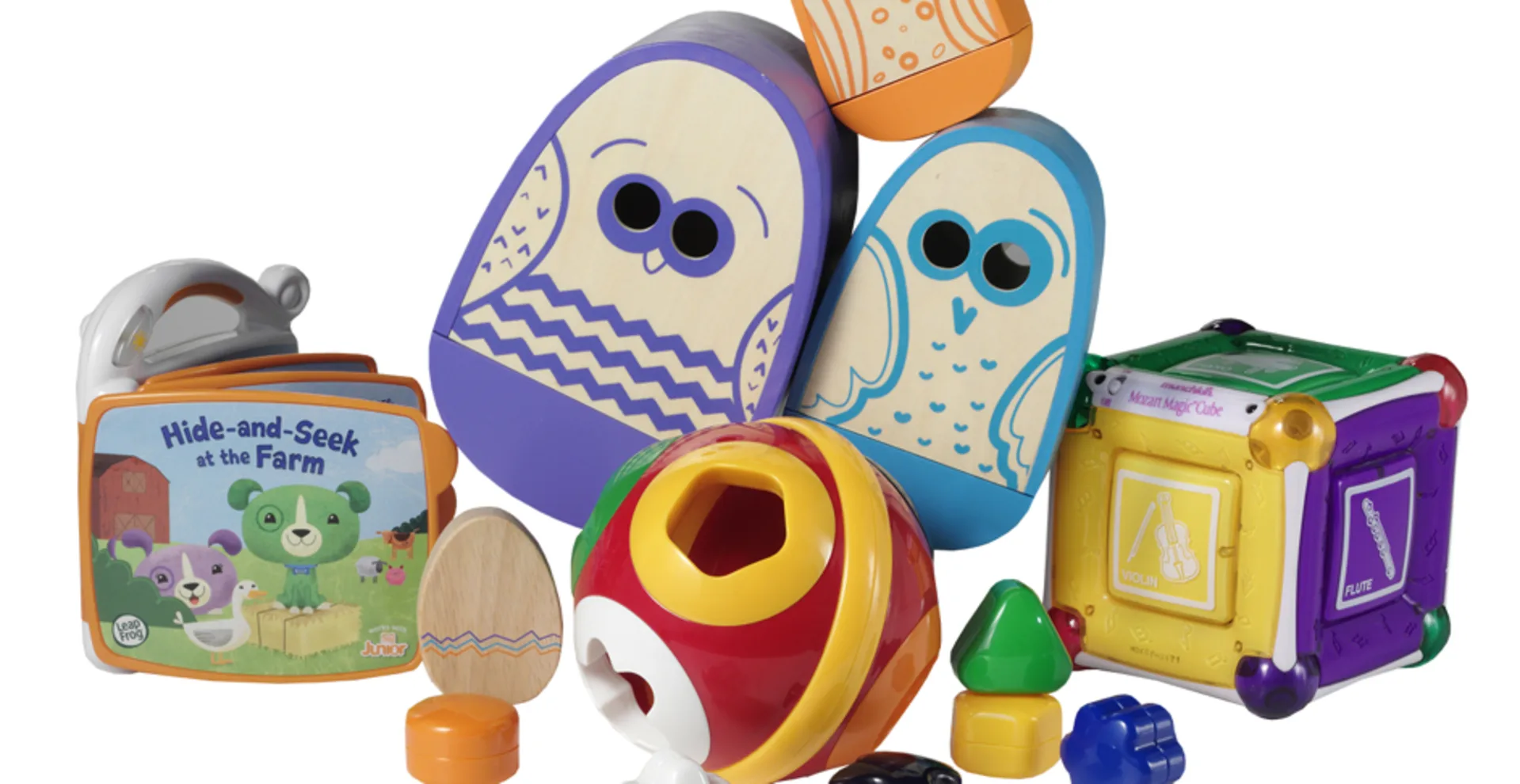
Rotating Toys To Maintain Interest
Rotating toys means giving only a few at a time. Store the rest away for a while. This makes toys feel new again when brought back out. Kids focus better on fewer toys at once. Rotation stops boredom and keeps playtime fresh and fun.
Credit: www.fastcompany.com
Frequently Asked Questions
Why Do Kids Lose Interest In Toys So Fast?
Kids quickly lose interest because toys may lack challenge or novelty. Their curiosity grows rapidly, and they seek new stimuli to stay engaged.
How Does A Toy’s Complexity Affect Boredom?
Simple toys may bore kids sooner as they offer limited play options. Complex toys keep children engaged longer by encouraging creativity and problem-solving.
Can Screen Time Increase Kids’ Toy Boredom?
Yes, screen time often provides instant gratification, making physical toys seem less exciting. This can reduce kids’ attention span for traditional toys.
Does Age Impact How Quickly Kids Get Bored?
Yes, as kids grow, their interests evolve, and toys that once fascinated them may no longer satisfy their curiosity or developmental needs.
Conclusion
Kids get bored with toys because they seek new challenges. Their minds grow fast and need fresh, exciting play. Toys that stay the same lose interest quickly. Changing toys or adding new ones keeps play fun. Parents can watch what sparks curiosity and offer variety.
Simple toys often inspire more imagination than complex ones. Understanding why kids lose interest helps in choosing better toys. It makes playtime happier and more engaging for children. Keep toys interesting, and kids will enjoy them longer.
