
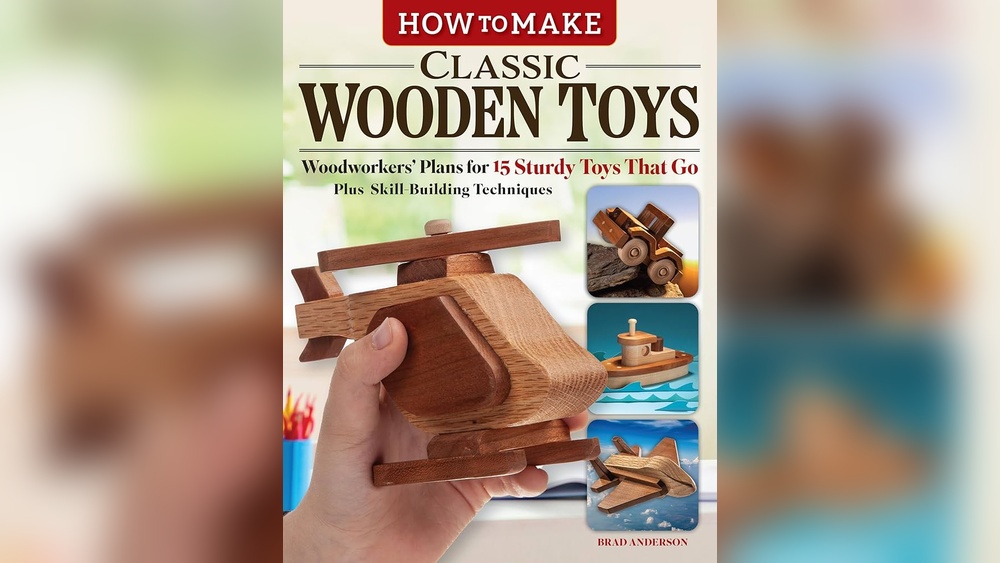
Have you ever wondered why your child is instantly drawn to toys that move, spin, or click? Toys with moving parts don’t just entertain—they capture your child’s attention in a special way.
These toys spark curiosity, encourage hands-on play, and help develop important skills without your child even realizing it. If you want to understand what makes these toys so irresistible and how they benefit your little one, keep reading. You’ll discover why moving parts make playtime more exciting and meaningful for your child.
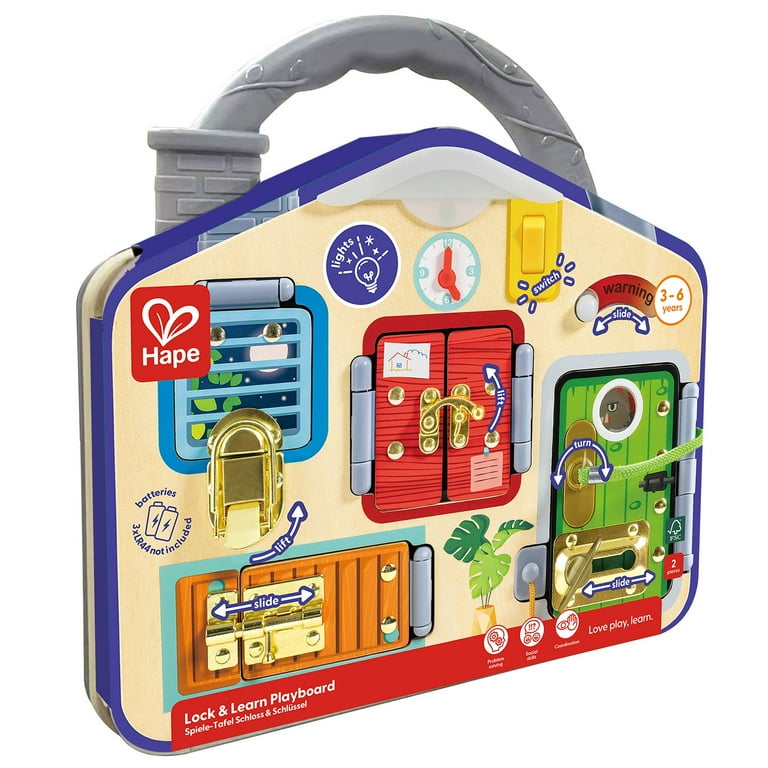
Credit: www.walmart.com
Appeal Of Motion In Toys
Motion in toys draws children in with its lively action. Moving parts bring toys to life, making playtime more exciting. Kids love watching things move and change. This movement helps keep their focus and interest for longer periods.
Besides fun, moving toys help children learn about cause and effect. They see how their actions make the toy respond. This interaction builds curiosity and helps develop motor skills. Toys with motion create a more dynamic play experience.
Capturing Attention
Moving parts catch children’s eyes quickly. Bright colors and motion together hold their gaze. Kids are naturally drawn to things that move. Movement stands out among still objects in a room. This makes toys with moving parts more appealing and engaging.
Stimulating Curiosity
Motion in toys sparks questions and wonder. Children ask how and why the parts move. They explore and experiment to understand the mechanics. This hands-on learning encourages problem-solving skills. Toys that move invite kids to discover and learn actively.
Credit: shop.mattel.com
Boosting Motor Skills
Toys with moving parts are more than just fun. They help children develop important motor skills. These toys encourage kids to use their hands and fingers in new ways. This practice improves their ability to control small movements. Such skills are essential for daily activities and learning.
Playing with these toys also helps children coordinate their hand movements with what they see. This connection is vital for many tasks. From writing to playing sports, good hand-eye coordination is key. Toys with moving parts offer a playful way to build these skills.
Fine Motor Development
Fine motor skills involve small movements of the fingers and hands. Toys with buttons, levers, or wheels require kids to use these muscles. Turning a knob or pushing a button strengthens finger control. This practice helps children with writing, drawing, and using tools later.
Repeated use of these toys improves precision and dexterity. Children learn to handle objects carefully and with purpose. This growth supports their independence in everyday tasks.
Hand-eye Coordination
Hand-eye coordination is the ability to move hands based on what the eyes see. Toys with moving parts challenge kids to watch and react. They may need to catch, push, or pull parts in time with their vision.
This back-and-forth between seeing and doing trains the brain and body. Better coordination means children can perform complex actions more easily. It also builds confidence in trying new activities.
Encouraging Exploration
Toys with moving parts invite kids to explore and discover. These toys spark curiosity and encourage hands-on play. Children learn by touching, turning, and moving different parts. This interaction helps them understand how things work around them.
Exploration builds confidence and keeps children interested for longer. It also makes learning fun and natural. Kids enjoy seeing cause and effect in action. They love solving small problems as they play.
Cause And Effect Learning
Moving parts show clear cause and effect. When a child pushes a button, a part moves. This direct link helps kids learn quickly. They begin to understand actions lead to results. It boosts their thinking skills and attention span. Toys like cars with doors or gears teach this well. Kids feel joy when their actions create change.
Problem-solving Opportunities
These toys present small challenges to solve. Kids figure out how to move parts correctly. They test different ways to make toys work. This trial and error process builds problem-solving skills. Children learn patience and persistence. They enjoy the satisfaction of making the toy move right. This active thinking supports brain development.
Enhancing Imagination
Toys with moving parts spark children’s imagination in unique ways. These toys invite kids to explore and create new worlds. The motion adds excitement and realism to play. Children feel like they are part of the story they build. This active engagement helps their minds grow and learn.
Role-playing Scenarios
Moving parts make role-playing more fun and real. A toy car that rolls lets kids pretend to drive. A doll with movable arms and legs can act out scenes. These toys help children practice different roles. They try being a driver, a doctor, or a superhero. This practice builds social skills and empathy.
Creative Storytelling
Moving toys inspire kids to tell stories. They invent adventures and challenges for their toys. Each moving part can represent an action or event. A robot that turns its head can “see” danger. A toy animal that moves its legs can “run” away. These stories grow with the child’s creativity and thinking.
Supporting Cognitive Growth
Toys with moving parts offer more than just fun. They help children develop important thinking skills. Playing with these toys supports a child’s brain growth. It encourages learning through hands-on experience. Kids get to explore cause and effect. This type of play builds their understanding of how things work.
Such toys also improve focus and patience. Kids learn to pay attention to small details. They discover the joy of solving problems step by step. These skills are vital for school and daily life. Moving toys keep children curious and engaged for longer periods.
Understanding Mechanics
Moving toys teach children basic mechanical ideas. They see how parts connect and move together. This helps them learn about gears, levers, and pulleys. Kids begin to understand simple machines without words. They learn by twisting, turning, and pushing parts. This hands-on learning builds a strong foundation for science and engineering.
Building Patience And Focus
These toys require slow and careful play. Kids must pay close attention to make parts move correctly. This practice improves their concentration skills. Learning to wait and try again builds patience. Children enjoy the challenge of completing a task. This success boosts their confidence and keeps them motivated.

Credit: www.amazon.com
Social Benefits Of Moving Toys
Moving toys bring children together. They invite kids to play side by side and interact. These toys help children learn social skills. Playing with moving parts encourages kids to talk and share ideas. It creates chances for children to build friendships and trust.
Sharing And Cooperation
Children learn to share toys with moving parts. These toys often require turns and teamwork. Kids wait for their turn and watch others closely. They discover how to cooperate and work together. Sharing promotes kindness and respect among young players.
Collaborative Play
Moving toys promote group play and joint activities. Kids plan and solve problems as a team. They create stories and games around the toy’s movements. This play style boosts communication and imagination. Collaborative play builds strong social bonds and confidence.
Choosing The Right Moving Toys
Choosing the right moving toys is important for children’s playtime and growth. Moving toys catch kids’ attention and help develop their skills. Picking suitable toys makes playtime safe and fun. Understanding what fits a child’s age and needs is key.
Age-appropriate Options
Choose toys that match the child’s age group. Younger kids need simple moving parts that are easy to handle. Older kids enjoy complex toys with more features and challenges. Age-appropriate toys support learning and avoid frustration. Check the toy label for age recommendations.
Safety Considerations
Safety is a top priority for moving toys. Look for toys with no small parts that can cause choking. Moving parts should not pinch or trap little fingers. Toys must be sturdy and well-built to avoid breaking. Always buy from trusted brands that follow safety rules.
Frequently Asked Questions
Why Do Kids Love Toys With Moving Parts?
Kids enjoy toys with moving parts because they stimulate curiosity and creativity. These toys encourage hands-on interaction, improving motor skills and cognitive development. Moving parts also make playtime more engaging and fun, helping children learn cause and effect in an entertaining way.
How Do Moving Parts Enhance Child Development?
Moving parts boost fine motor skills by requiring precise hand movements. They also encourage problem-solving and spatial awareness. Children learn about cause and effect as they manipulate the toy. This interaction supports brain development and keeps kids mentally active and engaged.
Are Toys With Moving Parts Safe For Young Children?
Most toys with moving parts are designed with safety in mind. Always check age recommendations and avoid small detachable parts for toddlers. Opt for well-made, non-toxic materials to ensure safe play. Supervision is recommended to prevent choking hazards.
What Types Of Toys Have Popular Moving Parts?
Popular moving part toys include cars, robots, puzzles, and mechanical animals. These toys often have wheels, gears, buttons, or levers to manipulate. They are designed to capture kids’ attention and encourage interactive play.
Conclusion
Toys with moving parts catch kids’ attention quickly. They offer fun and help develop motor skills. Children enjoy seeing how things work and move. These toys also spark creativity and curiosity. Playing with them keeps kids active and engaged. Parents find them useful for learning and playtime.
Choosing toys that move can boost a child’s growth. They combine enjoyment with simple learning. That’s why kids love toys with moving parts so much.
