
Have you ever noticed how your child loves to press the same button on a toy again and again? It might seem simple, but there’s a fascinating reason behind this repetitive play.
Understanding why kids enjoy doing the same toy actions repeatedly can help you support their growth and make playtime even more rewarding. Keep reading to discover the surprising benefits hidden in these little moments of repetition—and how you can turn them into powerful learning experiences for your child.
Credit: www.ebay.com
Joy In Repetition
Children often find great joy in repeating the same toy actions over and over. This repetition is not boring to them. It brings comfort and makes their playtime feel safe and fun. Repeating actions helps kids feel in control and happy. Understanding why kids love this habit can help parents support their learning and growth.
Comfort And Predictability
Repeating toy actions creates a sense of comfort. Kids know what will happen next. This predictability reduces anxiety. It helps them feel calm and secure. The familiar action becomes a cozy routine. This feeling encourages them to keep playing.
Sense Of Mastery
Doing the same toy action again and again helps kids improve skills. Each repetition builds confidence. They feel proud when they do it right. Mastering small tasks motivates them to try more. This steady progress is very rewarding.
Emotional Satisfaction
Repetition brings emotional joy to children. It offers a sense of control over their environment. Kids express feelings through repeated play. It helps them manage emotions and stress. This emotional connection makes playtime meaningful and fun.

Credit: www.ebay.com
Learning Through Repetition
Learning through repetition is a key reason children enjoy playing with toys again and again. Repeating the same actions helps kids understand how things work. It builds their skills step by step. Repetition makes learning clear and predictable, which feels safe and fun for children.
Through repeated play, children practice and improve many abilities. Their brains connect new information with what they already know. This process helps children grow smarter and more confident. Toys that invite repeated actions support this important learning method.
Building Motor Skills
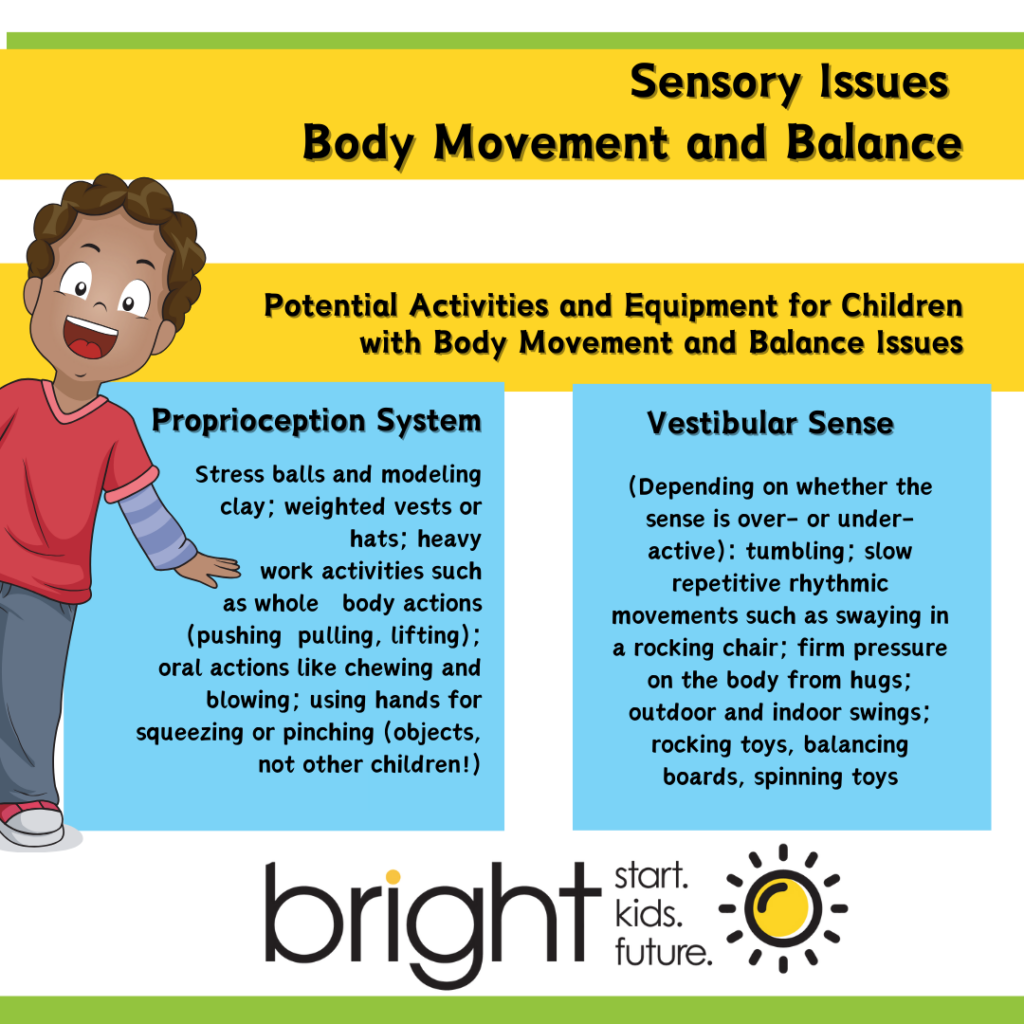
Repeated toy actions help children develop fine motor skills. Picking up, pushing, or twisting parts trains hand muscles. These movements improve coordination and control. Motor skills are important for daily tasks like writing and dressing. Repetition makes these skills stronger and more natural.
Enhancing Cognitive Development
Playing with toys repeatedly boosts thinking skills. Children learn cause and effect by trying the same action many times. They discover how different parts work together. This builds problem-solving and planning abilities. Cognitive growth happens through these small, repeated experiments.
Strengthening Memory
Repetition helps children remember important information. Doing the same action again and again fixes it in their minds. Memory improves for how toys work and what to expect next. Strong memory supports learning in school and daily life. Repetitive play makes remembering easier and faster.
Types Of Repetitive Toy Actions
Repetitive toy actions help children learn and explore their world. These actions are simple movements or tasks kids repeat with toys. Each type of toy action supports different skills like coordination, problem-solving, and cause-and-effect understanding.
Children enjoy repeating these actions because they feel safe and confident. Repetition helps them master new skills step by step. Here are some common types of repetitive toy actions that kids love.
Push And Pull Toys
Push and pull toys invite children to move objects back and forth. These toys build motor skills and muscle strength. Kids enjoy the motion and the sound some toys make as they move. The repeated action also helps with balance and coordination.
Stacking And Sorting
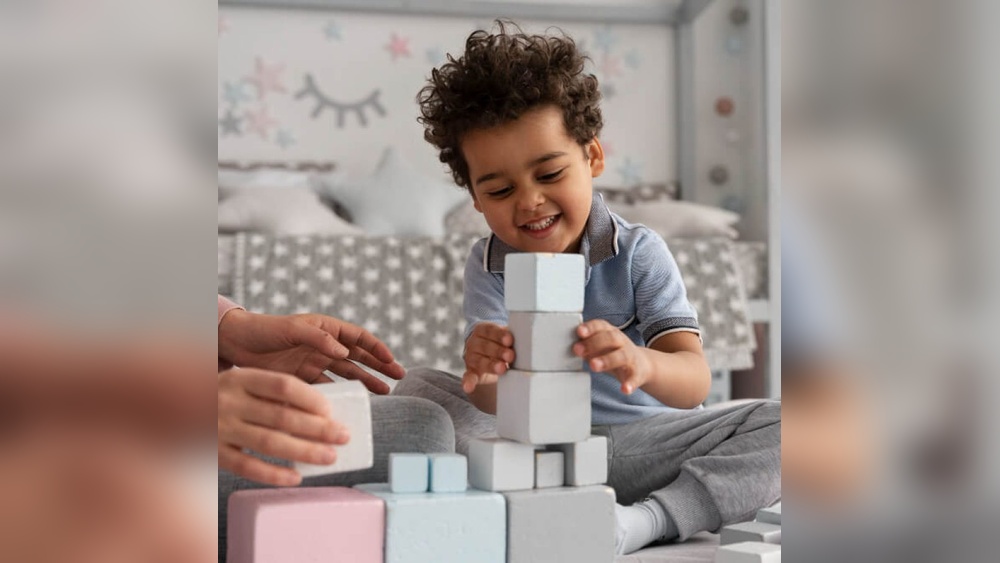
Stacking and sorting toys encourage children to place objects in order. Kids repeat this action to understand size, shape, and color differences. These toys improve fine motor skills and hand-eye coordination. Children feel proud each time they complete a stack or sort correctly.
Cause And Effect Toys
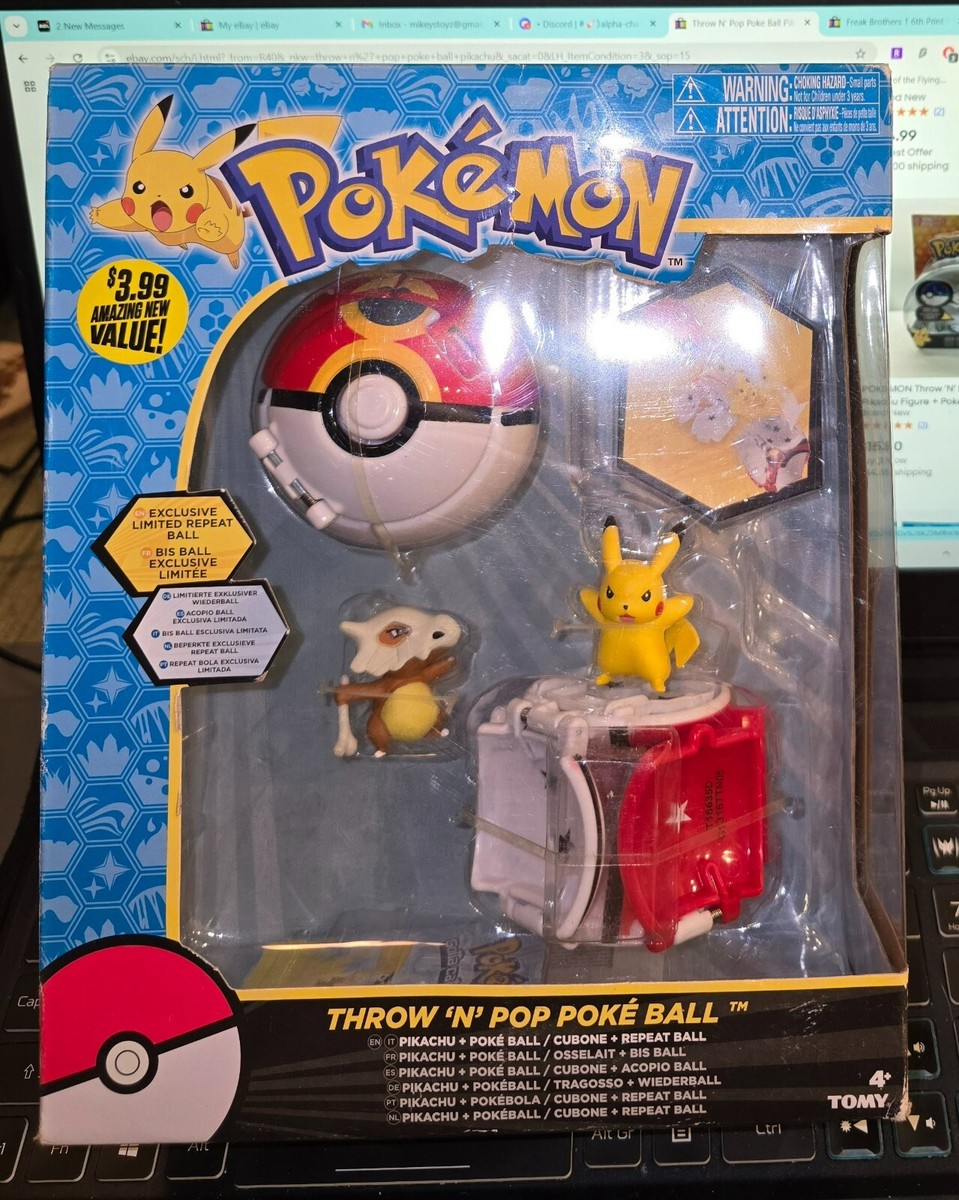
Cause and effect toys respond to a child’s action with a result. For example, pressing a button makes a sound or light appear. Kids enjoy repeating the action to see the result again and again. This helps them learn about actions and consequences.
The Role Of Curiosity
Curiosity drives children to explore the world around them. It pushes them to repeat actions with their toys. This repetition helps children learn and understand new things. Each time they play, they discover something different. Repetitive toy actions satisfy a child’s natural desire to know more.
Exploring Cause And Effect
Kids love to see what happens after they do something. Pressing a button or pushing a toy car shows a clear result. This cause and effect relationship is exciting for them. They learn that their actions can change things. This understanding builds their confidence and thinking skills.
Experimenting With Outcomes
Children repeat actions to test different results. They try small changes to see what happens next. This experimentation helps them predict what might occur. It also teaches patience and focus. Repeating toy actions becomes a way to practice and learn safely.
Social And Emotional Benefits
Repetitive toy actions offer more than fun. They help children grow emotionally and socially. These repeated activities support important skills. Kids learn how to manage feelings and interact with others. This section explains key social and emotional benefits.
Encouraging Patience
Repeating toy actions teaches kids to wait and try again. They learn that not everything works right away. This builds patience, a vital skill for life. Patience helps children stay calm in tough moments. It also improves their focus on tasks. Slowly, kids see progress through steady effort.
Boosting Confidence
Mastering a repeated action gives children a sense of success. Each small win increases their self-belief. Confidence grows as kids repeat actions and get better. They feel proud and ready to face new challenges. This positive feeling encourages them to explore and learn more. Repetition creates a safe space to build courage.
Designing Toys For Repetition
Children love toys that they can use again and again. Repetition helps them learn and feel confident. Toys that invite repeated actions keep kids interested longer. Thoughtful design makes repetition fun and safe. This section explains how toy makers create toys for repeated play.
Simple And Engaging Features
Toys with clear, easy actions invite kids to play repeatedly. Buttons that click, wheels that spin, or parts that snap fit well. These features are easy to understand. They encourage children to try again and again. Simple designs avoid confusion. This keeps kids focused on the fun.
Safe And Durable Materials
Repeated play means toys must last long and stay safe. Strong materials prevent breakage after many uses. Soft edges and non-toxic parts protect children from harm. Toys made of good materials can handle rough play. Safety and durability build trust with parents and kids alike.
Credit: papromiseforchildren.com
Frequently Asked Questions
Why Do Kids Love Repetitive Toy Actions?
Kids enjoy repetitive toy actions because it builds familiarity and comfort. Repetition helps them understand cause and effect while boosting focus and confidence. It also promotes fine motor skills and cognitive development, making playtime both fun and educational.
How Does Repetition Help Child Development?
Repetition strengthens neural connections in the brain, aiding memory and learning. It enhances problem-solving and hand-eye coordination. By repeating actions, children gain mastery and confidence, which supports emotional growth and curiosity during early development stages.
Are Repetitive Toy Actions Beneficial For Learning?
Yes, repetitive toy actions promote active learning. They allow kids to explore concepts like patterns, sequences, and consequences in a hands-on way. This repetition reinforces skills and encourages creative thinking, making learning enjoyable and effective.
What Types Of Toys Encourage Repetitive Actions?
Toys like building blocks, puzzles, shape sorters, and musical instruments encourage repetition. These toys invite kids to try the same actions repeatedly to achieve goals, fostering focus, patience, and skill mastery through engaging play.
Conclusion
Kids enjoy repeating toy actions because it helps them learn. They feel safe and happy doing the same thing. Repetition builds skills and confidence over time. It also lets them explore how toys work. This simple play supports their growth and creativity.
Understanding this can help parents choose better toys. Let children enjoy their favorite actions again and again. It makes playtime fun and meaningful.
