

Have you ever watched a child dive into a world of their own making, full of castles, superheroes, or magical creatures? It’s not just fun for them—it’s important for their growth.
When your kids play in imaginative worlds, they’re doing more than just passing time. They’re building creativity, solving problems, and learning how to express themselves. If you want to understand why these play worlds captivate your child and how they help shape their future, keep reading.
This insight might change the way you look at your child’s playtime forever.
Credit: theimaginationtree.com
The Magic Of Imaginative Play
Imaginative play opens a world full of wonder and excitement for kids. It lets them explore ideas beyond their everyday life. They get to be anyone or anything, from astronauts to dragons. This freedom sparks joy and creativity.
Such play is more than fun. It helps children learn about themselves and the world. They practice thinking, problem-solving, and expressing feelings. Imaginative play builds strong minds and happy hearts.
How Kids Create New Realities
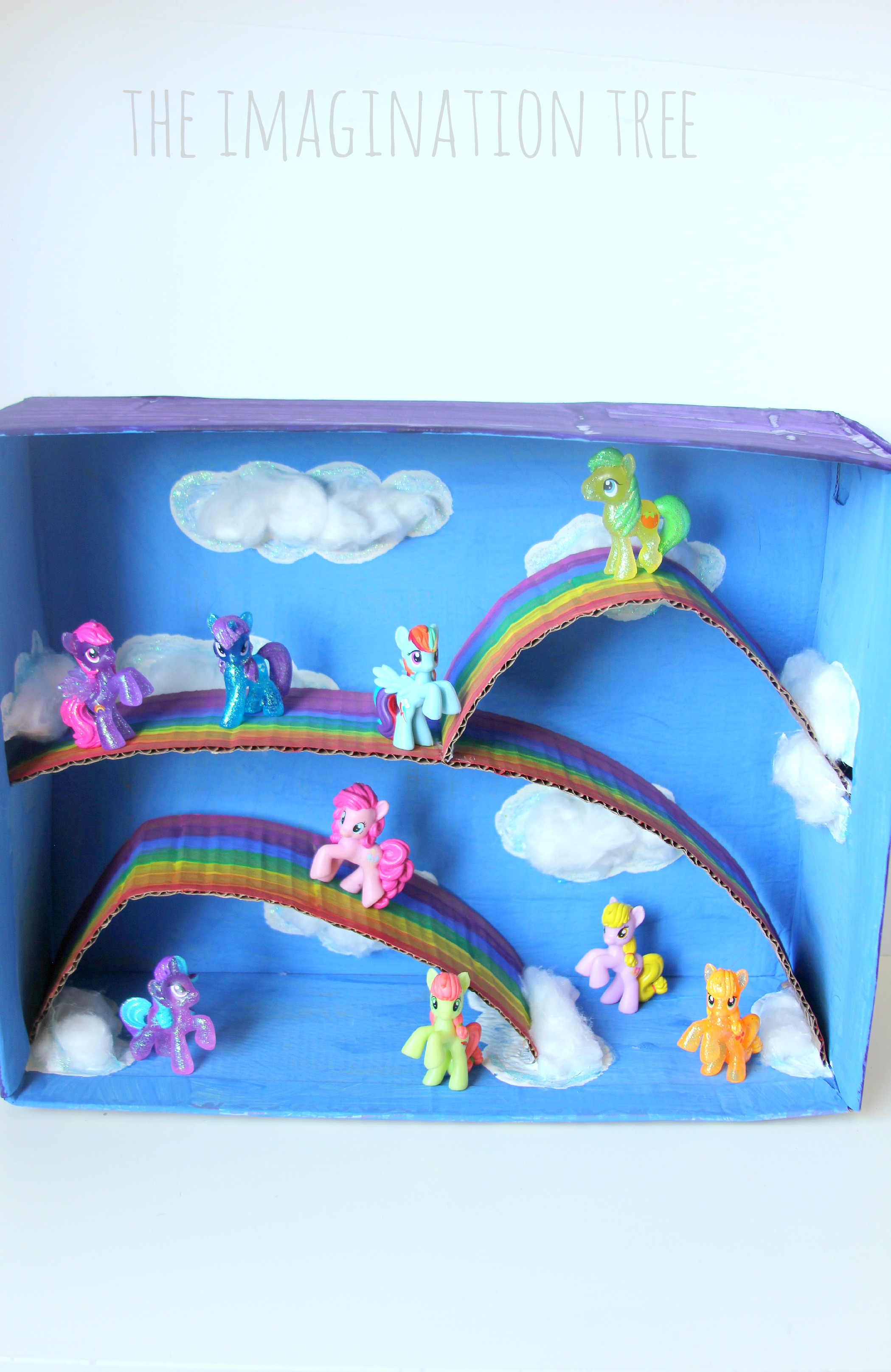
Children use simple objects to build their own worlds. A box can become a spaceship or a castle. They mix real and make-believe to form new stories. This process shows their growing imagination and creativity.
They decide the rules in these worlds. They choose roles and adventures. This control gives them confidence. It also helps them understand cause and effect. Kids enjoy being the authors of their own tales.
Role Of Fantasy In Childhood
Fantasy is a natural part of childhood. It allows kids to explore feelings safely. They can face fears or try new roles without real risk. This helps them handle emotions better.
Fantasy also encourages hope and dreams. Kids imagine good endings and happy futures. This positive thinking supports their mental growth. It makes childhood a joyful and meaningful time.
Credit: www.tinylandus.com
Boosting Creativity Through Play
Imaginative play worlds help children grow their creativity. These play settings give kids space to try new ideas. They act out stories and explore different roles. This freedom sparks creative thinking and helps children imagine beyond reality.
Through play, children learn to express themselves clearly. They build unique worlds and stories from their minds. This process trains their brain to think in fresh and original ways.
Stimulating Problem-solving Skills
In imaginative play, children face many small challenges. They decide how to fix problems or continue a story. This practice builds their ability to think fast and find solutions. Kids learn to test ideas and see what works best. Each play session sharpens their problem-solving skills naturally.
Encouraging Original Ideas
Imaginative worlds invite kids to create their own rules. They mix and match ideas to make unique stories. This freedom helps children develop original thoughts and concepts. Playing this way boosts their confidence in sharing new ideas. Creativity grows as they explore endless possibilities.
Emotional Benefits Of Play Worlds
Play worlds offer more than fun and adventure. They help children grow emotionally. Kids explore feelings and ideas safely. These imaginative spaces let them express themselves freely. Emotions become clearer and easier to handle. The benefits reach deep into a child’s heart and mind.
Building Confidence And Self-expression
Play worlds give kids a chance to shine. They try new roles and speak their minds. This freedom builds strong confidence. Children learn they can make choices. They show who they are without fear. Each success in play boosts their self-esteem. This helps kids feel brave in real life.
Managing Emotions Through Role-play
Role-play in play worlds teaches kids to handle feelings. They act out situations that are scary or confusing. This practice helps kids understand emotions better. They learn to calm down and think clearly. Play becomes a safe space to try solving problems. Kids gain skills to manage anger, sadness, and fear.
Social Skills Gained From Imaginative Play
Imaginative play helps kids build important social skills. It gives them a safe place to practice talking and working with others. Through pretend games, children learn how to listen, share, and solve problems together.
This kind of play encourages children to express their ideas and feelings. It also teaches respect for others’ thoughts and opinions. These skills are key for making friends and getting along with people.
Collaboration And Sharing
In pretend play, children often create stories as a team. They take turns and share toys or roles. This teaches them how to work with others and be patient.
Kids learn to balance their ideas with friends’ ideas. They practice giving and taking, which builds trust. These moments help children understand the value of teamwork.
Understanding Different Perspectives
Imaginative play lets kids see the world through others’ eyes. They act out different characters and roles. This helps them understand how others feel and think.
By playing various roles, children develop empathy. They learn that people have different views and emotions. This awareness improves their ability to connect with others.
How Play Worlds Inspire Lifelong Joy
Imaginative play worlds open doors to endless fun and creativity. Kids step into new roles and explore different ideas. This type of play sparks joy that lasts far beyond childhood.
Through play, children learn about themselves and the world around them. They build skills that help them in school and life. The happiness found in play worlds often stays with them forever.
Fostering A Love For Learning
Play worlds encourage curiosity and discovery. Children ask questions and try new things. These experiences build a strong desire to learn more. The joy of exploring keeps their minds active and eager.
Learning through play feels natural and fun. Kids remember lessons better when they enjoy the process. This love for learning grows over time and helps in many areas of life.
Creating Lasting Memories
Imaginative play creates special moments that children cherish. These memories bring happiness even as they grow older. Playing with friends or family in these worlds strengthens bonds.
Memories from play worlds often become stories children share. They remind kids of joy and freedom. These lasting memories inspire creativity and positive feelings throughout life.

Credit: www.bellalunatoys.com
Frequently Asked Questions
Why Do Kids Love Imaginative Play Worlds?
Kids love imaginative play worlds because they spark creativity and allow freedom. These worlds help children explore new ideas and practice problem-solving skills in a fun way.
How Does Imaginative Play Benefit Child Development?
Imaginative play boosts cognitive, social, and emotional growth. It enhances communication, teamwork, and critical thinking, essential for overall child development.
What Role Does Imagination Play In Learning?
Imagination makes learning engaging by connecting concepts with fun scenarios. It helps children understand complex ideas and retain information better through play.
Can Imaginative Play Improve Social Skills?
Yes, imaginative play encourages cooperation, sharing, and empathy. Kids learn to negotiate roles and communicate effectively with peers during play.
Conclusion
Imaginative play helps kids learn and grow every day. It sparks creativity and builds confidence. Children explore new ideas and solve problems. They enjoy the freedom to create their own worlds. This type of play also helps them make friends and share stories.
Imaginative play is more than fun; it shapes young minds. Parents and teachers can support it by providing space and time. Watching kids play shows how powerful their imagination really is. This simple act brings joy and learning together naturally.
