
Have you ever watched your kids argue over a simple toy and wondered why it happens so often? It can be frustrating and even confusing to see little ones turn from friends to rivals in seconds.
But understanding why kids argue over toys can help you handle these moments better—and even prevent future fights. This article will reveal the surprising reasons behind those toy battles and give you practical tips to keep peace in your home.
Keep reading, because what you learn here could change the way you manage playtime forever.
Common Triggers Of Toy Fights
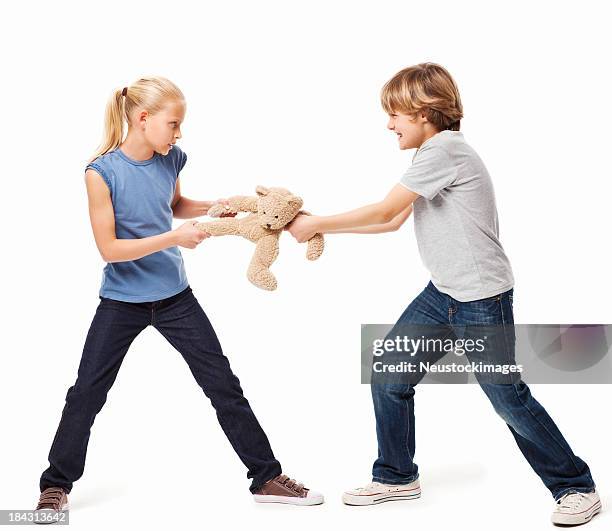
Toy fights among kids happen often. Understanding why helps parents handle the situation better. Several common triggers lead to these arguments. These triggers come from kids’ feelings and the environment around them. Recognizing these signs can reduce conflicts and teach kids to share and play peacefully.
Possessiveness And Ownership
Kids feel strong about their toys. They see toys as their own property. This possessiveness causes fights when another child wants to play with the same toy. They may say, “It’s mine!” or refuse to share. This reaction comes from a need to protect what they feel belongs to them.
Limited Number Of Toys
When there are not enough toys to go around, fights start easily. Children want the same toy at the same time. This scarcity makes sharing hard. Kids might compete or grab toys quickly. The lack of enough toys can cause frustration and arguments.
Desire For Attention
Sometimes kids fight to get attention from adults or friends. Arguing over toys can make others notice them. They may want to feel important or gain control. This trigger is about emotions, not just the toys themselves. Kids need attention and love, which they try to get through these fights.
Credit: www.gettyimages.com
Emotional Drivers Behind Conflicts
Children often argue over toys because of strong feelings inside. These feelings drive their actions and cause conflicts. Understanding these emotions helps adults guide children better. Kids express feelings like frustration, jealousy, and curiosity through these arguments. These emotional drivers shape how children interact with their peers and toys.
Frustration And Impatience
Kids want to play with toys right away. Waiting can make them feel upset and restless. They may argue to get the toy faster. Small delays feel bigger to young children. Their patience is still developing, leading to quick frustration. This feeling makes sharing difficult during playtime.
Jealousy Among Peers
Children notice when others have toys they want. This comparison can cause jealousy. They may argue to get the toy or attention. Jealousy comes from wanting what someone else has. It is a natural feeling but hard to manage. Kids need help to express jealousy in a healthy way.
Testing Boundaries
Kids learn rules by testing limits. Arguing over toys is one way to explore control. They see how much they can get away with. This helps them understand social rules and fairness. Testing boundaries is part of growing and learning. Adults can guide children gently during these moments.
Developmental Factors Influencing Arguments
Children often argue over toys due to their stage of development. Their brains and social skills are still growing. These factors affect how they think and act around others. Understanding these helps explain why toy fights happen.
Age And Cognitive Skills
Young children think differently than older kids. Toddlers see toys as theirs or others’. Sharing is hard because they focus on “mine.” Their brain is learning how to control impulses. As they grow, thinking becomes clearer and more flexible.
Social Skills And Sharing
Kids learn social skills by playing with others. Sharing is a big part of this learning. At first, children find sharing difficult. They do not always know how to ask or wait their turn. Practice with friends and family helps build these skills.
Understanding Fairness
Fairness is a complex idea for young children. They may want equal toys or turns but do not always understand rules. Fairness depends on age and experience. Sometimes, they feel upset if others get more or better toys.

Credit: www.istockphoto.com
Environmental And Family Influences
Children’s arguments over toys often reflect their surroundings and family life. The way kids interact with each other depends on many factors at home and in their community. These influences shape how children see sharing, fairness, and competition.
Understanding these environmental and family influences helps explain why kids fight over toys. It also shows how adults can guide children toward better ways to play and share.
Parenting Styles Impact
Parents set rules about sharing and taking turns. Strict parents may enforce rules firmly. This can make children follow rules but feel less happy. Permissive parents allow more freedom. Kids might argue more without clear limits. Balanced parenting teaches respect and fairness. Children learn to solve problems peacefully.
Sibling Rivalry
Children often compete for attention from parents. Toys become symbols of power and control. Older siblings may feel jealous of younger ones. Younger children might want to prove themselves. Rivalry can cause frequent fights over toys. It reflects deeper feelings, not just toys. Parents can help by encouraging teamwork and kindness.
Cultural Expectations
Different cultures teach children about sharing in unique ways. Some cultures value community and group harmony. Kids learn to share and care for others. Other cultures focus on independence and personal space. Children may see toys as personal property. These views affect how kids argue over toys. Understanding culture helps adults support healthy behavior.
Strategies To Reduce Toy Disputes
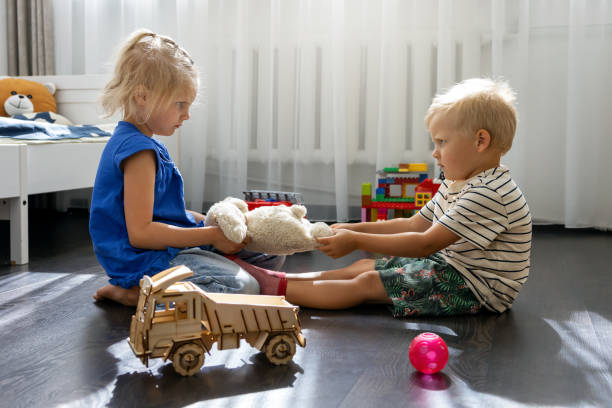
Disputes over toys are common among kids. They want to play and sometimes feel possessive. Parents and caregivers can use simple strategies to reduce these conflicts. These methods teach kids respect and patience. They create a happier playtime for everyone.
Encouraging Sharing Habits
Teach kids that sharing is caring. Give them chances to practice sharing during play. Praise them when they share toys nicely. Use fun activities that involve taking turns. This builds positive feelings around sharing. Over time, kids learn to wait and share happily.
Setting Clear Rules
Make rules about toy use clear and easy. Explain who plays with what and when. Use simple phrases like “Five minutes each.” Remind kids about rules before playtime starts. Consistent rules help kids know what to expect. This lowers chances of fights over toys.
Promoting Empathy
Help kids understand others’ feelings. Ask questions like, “How would you feel if…?” Encourage them to think about friends’ feelings. Show kindness during disputes. Teach them to say sorry and forgive. Empathy helps kids respect each other’s toys and space.
Credit: www.istockphoto.com
Frequently Asked Questions
Why Do Kids Fight Over Toys Frequently?
Kids fight over toys due to sharing challenges and desire for control. They test boundaries and express emotions. Conflicts help them learn social skills and empathy through interaction.
How Can Parents Reduce Toy-related Arguments?
Parents can reduce arguments by setting sharing rules and taking turns. Encouraging communication and offering choices also help. Consistent boundaries teach cooperation and respect among kids.
What Role Does Toy Value Play In Disputes?
Toys perceived as special or rare trigger stronger conflicts. Kids attach emotional value to favorite toys, causing possessiveness. Understanding this helps parents mediate and teach sharing.
Are Sibling Rivalries Linked To Toy Disagreements?
Yes, sibling rivalries often intensify toy disputes. Competition for attention and fairness leads to arguments. Promoting fairness and individual time can ease tensions.
Conclusion
Kids argue over toys because they want to feel special. Sharing is hard when they care deeply about their things. These fights show their growing emotions and need for attention. Parents can help by teaching patience and taking turns. Understanding why kids argue helps families find calm and peace.
Every child learns to share in their own time. Patience and kindness make these moments easier to handle. Arguments over toys are normal steps in growing up.
