
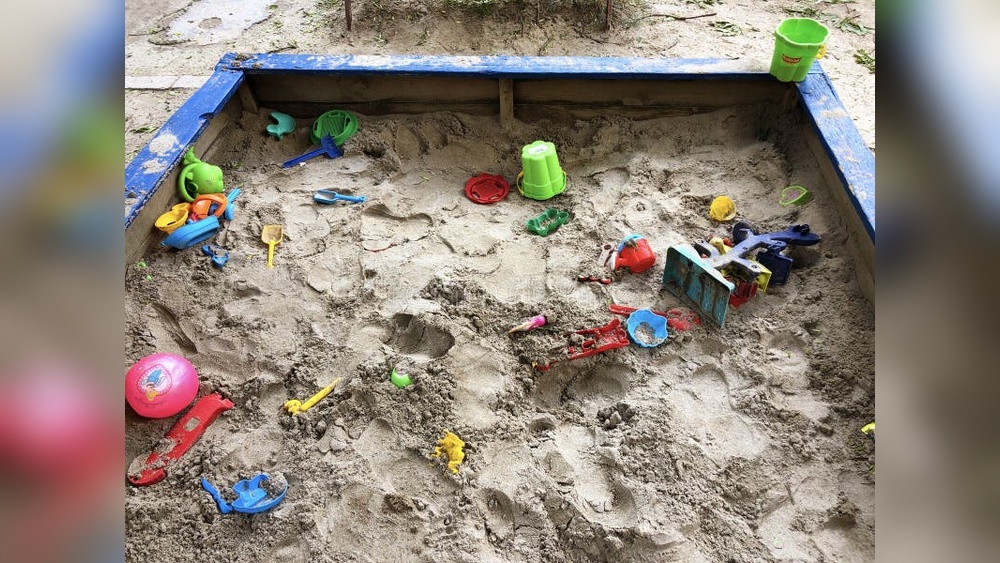
Have you ever noticed how your child suddenly loses interest in a toy they once loved? One day, it’s their favorite, and the next, it’s forgotten in a corner.
This sudden shift can leave you puzzled and wondering what’s really going on in your child’s mind. Understanding why kids abandon toys so quickly can help you support their growth and keep playtime exciting. Keep reading to discover the surprising reasons behind this behavior—and how you can turn it into a chance to connect with your child even more.

Credit: www.dreamstime.com
Shifting Interests
Children’s interests change quickly. This is normal and part of growing up. Toys that once excited them can suddenly seem boring. Shifting interests show how kids explore the world around them.
Developmental Stages
As children grow, their minds develop fast. Different ages bring new skills and needs. A toy that fits a toddler may not suit a school-aged child. Kids seek toys that match their current abilities. This helps them learn and enjoy playtime more.
For example, babies like soft, colorful toys. Older kids prefer puzzles or building blocks. These changes reflect how children think and move. Parents can notice these shifts and offer toys that fit well.
New Hobbies And Activities
Kids often find new hobbies as they grow. A child may leave a toy behind to try sports, drawing, or reading. These new activities catch their interest more than old toys. It’s natural for children to explore many things.
Trying new hobbies helps children discover what they like best. Sometimes toys become less important as kids spend time on other fun activities. Supporting these changes helps kids grow confident and happy.

Credit: wrrv.com
Overstimulation And Boredom
Children often stop playing with toys suddenly because of overstimulation and boredom. Too many toys or toys that are not challenging enough can cause a child to lose interest quickly. Understanding these reasons helps parents choose toys wisely and keep children engaged longer.
Too Many Toys
Having too many toys can overwhelm a child. Instead of enjoying one toy, they jump from one to another. This constant switching makes it hard to focus or feel satisfied. Kids need fewer toys to appreciate each one more deeply.
Lack Of Challenge
Toys that are too easy become boring fast. Children want toys that make them think or try new skills. Toys should grow with the child’s ability. This keeps playtime exciting and helps develop their mind.
Social Influences
Social influences play a big role in why kids suddenly stop playing with certain toys. Children watch others closely. They want to fit in and be liked by their friends. This desire shapes their choices and interests quickly.
Friends often share their likes and dislikes. Kids learn from each other what is cool or not. This peer feedback can make a toy popular one day and boring the next. Social trends shift fast among children.
Peer Preferences
Children often copy their friends’ toy choices. If most friends like a new toy, others want it too. The opposite happens when a toy falls out of favor.
Kids want to be part of the group. Playing with toys that friends enjoy builds bonds. Toys not liked by peers lose appeal fast. This social pressure shapes toy popularity more than the toy itself.
Media Impact
TV shows, movies, and ads influence kids’ toy interests. Characters on screen often become favorites. Toys related to these characters get quick attention.
Media creates excitement around certain toys. When a new show or game launches, kids rush to try its toys. Older toys seem less exciting by comparison. Media shapes children’s tastes and makes some toys outdated fast.

Credit: www.shutterstock.com
Emotional Factors
Children’s emotions play a big role in how they interact with their toys. Sometimes, kids stop playing with certain toys because of feelings they cannot easily explain. These emotional factors can affect a child’s interest and attachment to toys. Understanding these feelings helps parents and caregivers support children better.
Stress And Anxiety
Stress makes children feel restless and uneasy. When kids feel anxious, they may lose interest in their toys. Toys that once brought joy might seem boring or frustrating. Stress can come from school, family changes, or even new environments. During these times, children might want quiet or different activities that help them calm down. Toys that require too much focus or effort can feel overwhelming.
Seeking Comfort Elsewhere
Children often look for comfort in different ways. When a toy no longer feels comforting, they may abandon it. They might choose a new toy or object that feels safer or more soothing. Soft toys, blankets, or familiar items can become favorite comfort sources. This change helps children feel secure and calm. Comfort needs vary as children grow or face new challenges.
Physical Reasons
Physical reasons play a big role in why kids stop playing with toys suddenly. Toys that are broken or not right for a child’s age can lose their charm quickly. The toy’s condition and how well it fits the child’s age affect their interest a lot.
Toy Condition
Toys that are damaged or worn out can lose appeal fast. Missing parts or broken pieces make playtime hard. Kids may get frustrated if a toy does not work well. Clean and safe toys keep children interested longer. Regular checks help spot toys that need fixing or replacing.
Age-appropriateness
Toys made for younger kids can bore older ones quickly. As children grow, their skills and interests change. Toys that are too easy or too hard do not hold attention. Age-appropriate toys challenge kids and keep play fun. Choosing the right toy for a child’s age boosts playtime joy.
Parental Role
Parents play a big part in why kids stop playing with toys suddenly. Their actions and choices shape how children see and use their toys. Parents can guide, limit, or encourage play in ways that affect interest. Understanding this role helps keep toys exciting and fun for longer.
Encouragement And Restrictions
Encouragement helps children explore toys more deeply. Parents who show interest in play make toys feel special. Positive attention can boost a child’s desire to keep playing.
Restrictions can have the opposite effect. Too many rules might make toys seem less fun. Limits on playtime or types of toys can cause quick boredom.
Organizing And Rotating Toys
Keeping toys tidy helps kids find what they want easily. Organized toys invite children to play more often. Messy piles can discourage play and cause toys to be ignored.
Rotating toys means giving kids new choices regularly. Taking some toys away for a while brings back excitement later. This simple trick makes old toys feel fresh again.
Frequently Asked Questions
Why Do Kids Lose Interest In Toys Quickly?
Kids often lose interest as their curiosity shifts to new experiences. Toys may seem boring once their novelty fades. Developing skills and changing preferences also lead to abandonment. This behavior reflects natural growth and learning processes.
How Does Age Affect Kids Abandoning Toys?
As children grow, their interests and abilities evolve. Younger kids prefer sensory toys, while older ones seek challenges. Age influences the type and complexity of toys they enjoy. Thus, toys that suited them before may no longer appeal.
Can Too Many Toys Cause Kids To Abandon Them?
Yes, having too many toys can overwhelm children. They may focus less on individual toys and switch frequently. This reduces attachment and enjoyment. A smaller, curated collection encourages deeper play and longer interest.
Do Kids Abandon Toys Due To Lack Of Engagement?
Absolutely, toys that don’t stimulate creativity or challenge kids often get ignored. Children seek interactive and mentally engaging toys. If a toy is too easy or repetitive, boredom leads to abandonment. Choosing age-appropriate and stimulating toys helps maintain interest.
Conclusion
Kids stop playing with toys for many reasons. They may find new interests or get bored quickly. Sometimes, they want to try something different or play with friends. Toys that do not challenge them lose appeal fast. Parents can help by offering variety and paying attention to their child’s feelings.
Understanding these changes helps keep playtime fun and fresh. Toys come and go, but the joy of playing stays. Kids grow, and so do their tastes. That’s just part of childhood.
