
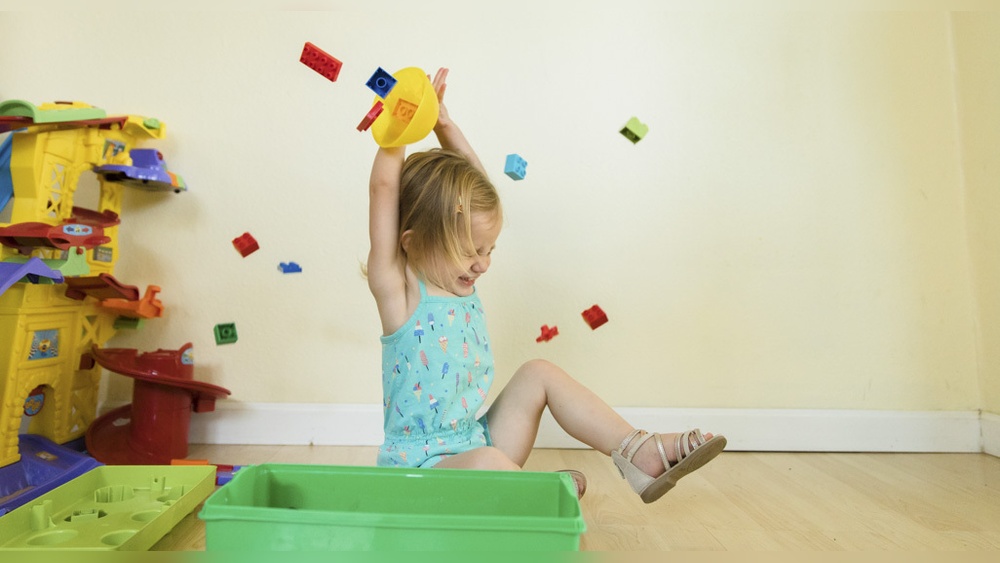
Have you ever watched your toddler pick up a toy, throw it across the room, and then do it all over again? It can be frustrating and confusing.
You might wonder, why do they keep throwing toys repeatedly? Understanding this behavior can help you stay calm and respond in a way that supports your child’s growth. You’ll discover the surprising reasons behind this common toddler habit and learn simple ways to handle it.
Keep reading—your peace of mind and your toddler’s happiness depend on it.
Credit: www.thebump.com
Toddler Behavior Basics
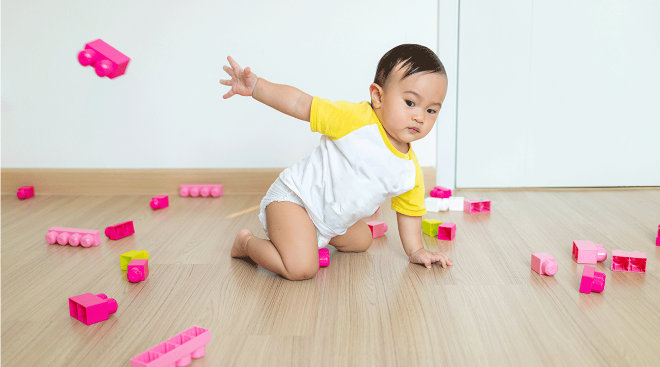
Toddlers explore their world in many ways. Throwing toys is a common action during this stage. It helps them learn about cause and effect. Understanding why toddlers throw toys can help parents respond better.
Young children express feelings and test limits through actions. These behaviors are part of their growth. Recognizing these patterns supports healthy development.
Normal Developmental Stages
Toddlers move from babies to independent children. This stage involves many changes in skills and emotions. They start to understand how things work by trying and testing.
Throwing toys helps toddlers learn object control. It also shows their growing muscle strength and coordination. These acts are natural and expected during this time.
Common Toddler Actions
Toddlers often repeat simple actions like throwing toys. They do this to see what happens each time. Repetition helps them learn and feel secure.
Other common actions include stacking blocks, banging objects, and saying new words. These actions are ways toddlers explore and communicate. They help build important brain connections.
Reasons Behind Toy Throwing
Toddlers often throw toys repeatedly. This behavior puzzles many parents. Understanding why toddlers do this helps in guiding them better. Toddlers explore their world through actions. Throwing toys is one way they learn and express themselves.
Exploring Cause And Effect
Toddlers learn by seeing what happens after their actions. They throw toys to watch how things change. The sound of a toy hitting the floor is interesting. They enjoy the reaction from their actions. This helps them understand cause and effect.
Seeking Attention
Throwing toys often gets a strong reaction from adults. Toddlers want to feel noticed and important. Sometimes, they throw toys just to see if someone will look at them. This behavior is a way to ask for attention. It shows their need for connection.
Expressing Emotions
Toddlers cannot always use words to share feelings. They may throw toys when they feel angry or upset. It is a way to express frustration or excitement. This action helps them release strong emotions. It is a natural way to communicate.
Testing Boundaries
Toddlers want to learn what is allowed and what is not. Throwing toys tests limits set by parents or caregivers. They watch how adults react to their behavior. This helps toddlers understand rules and boundaries. It is part of their learning process.
How Toddlers Communicate
Toddlers use many ways to show what they feel or need. They do not have many words yet. So, they use their actions to tell us. Throwing toys is one way they try to say something. Understanding these actions helps us respond with care and patience.
Nonverbal Signals
Toddlers often talk without words. They use their hands, faces, and bodies to express themselves. Throwing toys can mean they want attention or want to explore cause and effect. Sometimes, it is their way to show curiosity or to test limits. Watching these signals helps adults understand their needs better.
Frustration And Overwhelm
Young children feel strong emotions but cannot say them clearly. Throwing toys may show they feel upset or stressed. They might be tired, hungry, or confused. This action can be a release of their frustration. Recognizing these feelings helps adults calm and support toddlers more effectively.

Credit: www.whattoexpect.com
Environmental Influences
Environmental factors play a big role in why toddlers throw toys over and over. Their surroundings affect how they act and respond. These influences shape their behavior in many ways. Understanding them helps us guide toddlers better.
Stimulus Overload
Toddlers can get overwhelmed by too many sights, sounds, and objects. Bright lights, loud noises, and many toys around can cause stress. Throwing toys becomes a way to cope with this overload. It helps them release tension and get attention. The behavior often stops when the environment calms down.
Imitating Adults Or Peers
Toddlers watch and copy what others do. If they see adults or friends throwing things, they try it too. This imitation helps them learn social rules and test limits. Throwing toys might be their way of joining in or expressing feelings. They learn from reactions and adjust their actions over time.
Managing Toy Throwing
Managing toy throwing can be challenging for parents and caregivers. Toddlers often throw toys to express feelings or explore cause and effect. Clear strategies help reduce this behavior and keep playtime safe and fun. Understanding simple ways to guide toddlers makes a big difference.
Setting Clear Limits
Set clear rules about toy throwing early on. Use short, firm sentences like “No throwing toys.” Repeat the rule calmly every time. Consistency helps toddlers learn what is allowed. Show them gentle ways to play instead.
Redirecting Energy
Redirect your toddler’s energy to safe activities. Offer soft balls or large, light objects for throwing. Suggest outdoor play where throwing is okay. This helps meet their need to throw without damage or danger.
Positive Reinforcement
Praise toddlers when they play without throwing toys. Say things like “Great job keeping toys safe!” Reward good behavior with hugs or smiles. Positive words encourage them to repeat the right actions.

Credit: www.babycenter.com
When To Seek Help
Repeated toy throwing is common in toddlers. It helps them explore cause and effect. Most children outgrow this behavior with time. Sometimes, it signals deeper issues. Knowing when to seek help is important for parents and caregivers.
Signs Of Behavioral Concerns
Watch for signs that go beyond normal play. If your toddler throws toys aggressively, it may worry you. Frequent tantrums or hitting others are red flags. Lack of interest in other activities can be a sign. If your child shows little response to comfort, notice it. Delays in speech or social skills might relate to behavior. These signs suggest professional advice may be needed.
Consulting Professionals
Talk to your pediatrician about your concerns. They can rule out medical or developmental issues. A child psychologist can assess behavior patterns. Early intervention helps address problems more easily. Therapists offer strategies to manage challenging behaviors. Support from experts brings peace of mind. Seeking help shows care and support for your child’s growth.
Frequently Asked Questions
Why Do Toddlers Throw Toys Repeatedly?
Toddlers throw toys to explore cause and effect. It helps them learn about their environment. This behavior is normal and aids development. They also seek attention or express emotions through this action.
How Can Parents Stop Toddlers From Throwing Toys?
Parents can set clear boundaries and explain consequences calmly. Offering alternative activities helps redirect energy. Consistency in responses teaches toddlers acceptable behavior. Positive reinforcement encourages sharing and gentle play.
Is Toy Throwing A Sign Of Tantrums Or Frustration?
Yes, toddlers often throw toys when frustrated or overwhelmed. It’s a way to express emotions they can’t verbalize. Understanding triggers helps parents respond empathetically. Teaching emotional expression reduces this behavior over time.
Does Throwing Toys Affect Toddler Development?
Throwing toys supports motor skills and cognitive growth. It helps toddlers understand gravity and object permanence. While normal, excessive throwing may need attention. Monitoring behavior ensures healthy emotional and physical development.
Conclusion
Toddlers throw toys to explore and express feelings. They learn about cause and effect this way. This behavior helps develop their motor skills too. Parents can guide toddlers gently to understand limits. Patience and consistent responses work best here. Watching closely helps spot when they get frustrated.
Toys get thrown, but it’s a step in growth. Remember, this phase does not last forever. Support and love help toddlers learn better habits. Keep calm and stay positive through this stage. Understanding why toddlers throw toys makes parenting easier.
