
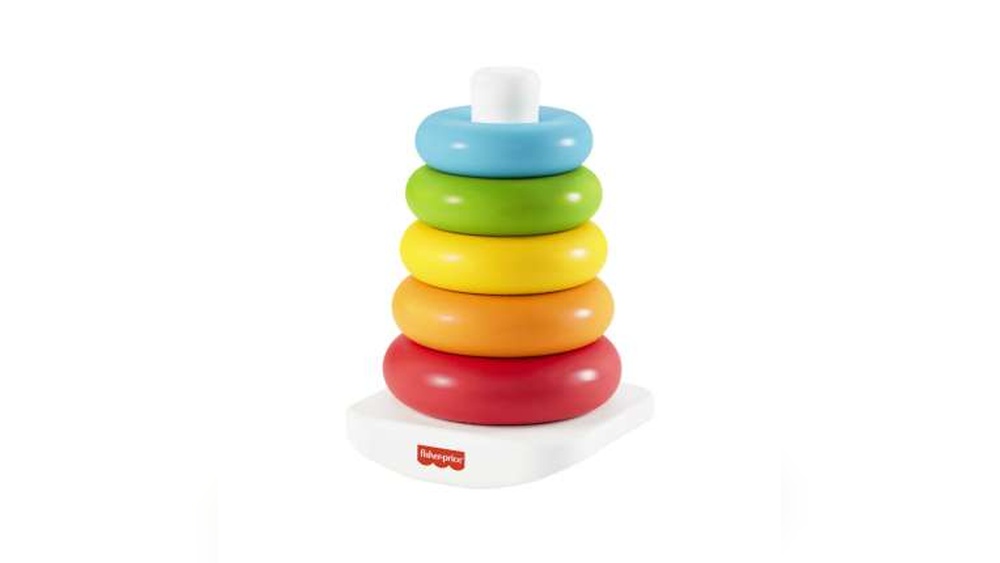
Have you ever watched your toddler carefully pile one toy on top of another and wondered why they do it? It might seem simple, but stacking toys is more than just playtime fun.
It’s a powerful way your child is learning about the world around them. Understanding why toddlers stack toys can give you a glimpse into their developing mind and help you support their growth in the best way. Keep reading to discover the surprising reasons behind this common behavior—and how it shapes your child’s skills every day.
Curiosity Drives Stacking
Toddlers stack toys because their natural curiosity drives them. They want to learn about the world by touching and building. Stacking lets them explore shapes, sizes, and balance. This simple act sparks many questions in their minds. Why does one block fall while another stays? Such moments fuel their desire to understand cause and effect. Stacking is more than play; it is a discovery tool.
Exploring Cause And Effect
Toddlers learn what happens when they stack blocks. If a block is too big or unsteady, it falls. This shows them cause and effect clearly. They begin to see which shapes work best together. They test different ways to build taller towers. Each time the tower falls, they learn something new. This hands-on experience builds their thinking skills.
Learning Through Play
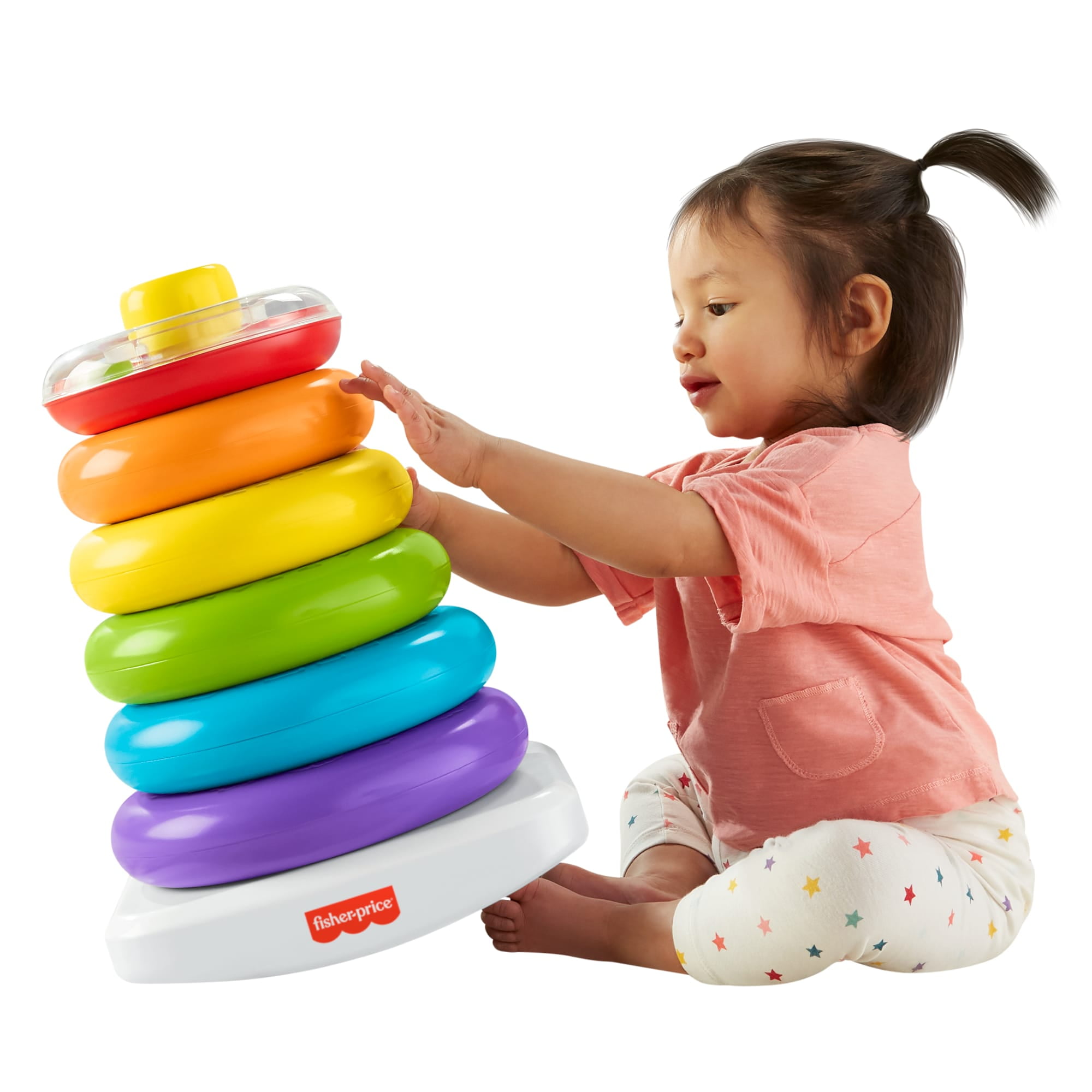
Stacking toys help toddlers learn in a fun way. They develop hand-eye coordination by placing blocks carefully. Playtime also improves their problem-solving skills. They try again and again to make the tower taller. This practice strengthens patience and focus. Through play, toddlers gain confidence in their abilities. Stacking toys offer a simple path to learning and growth.
Credit: www.walmart.com
Developing Motor Skills
Stacking toys is more than just play for toddlers. It helps their motor skills grow. These skills are key for daily tasks like eating, dressing, and writing.
When toddlers stack blocks, they practice moving their hands and fingers in a controlled way. This activity also sharpens how they see and move at the same time.
Hand-eye Coordination
Toddlers must watch closely as they place one block on another. Their eyes guide their hands to put the blocks in the right spot. This back-and-forth helps build strong hand-eye coordination.
Good hand-eye coordination lets children do many tasks easily. It helps in sports, drawing, and even using tools later in life.
Fine Motor Control
Stacking toys requires small, careful movements. Toddlers learn to use their fingers with more control and strength. This skill is called fine motor control.
Fine motor control is needed for tasks like buttoning shirts or holding a pencil. Each time toddlers stack toys, they improve these tiny but important movements.
Problem-solving Practice
Toddlers stacking toys is more than just play. It is a way they practice solving problems. Each block or ring they stack helps them think and learn. This activity builds their brain skills step by step. It teaches them how to try, fail, and try again. They learn about shapes, balance, and space without even realizing it.
Trial And Error
Stacking toys lets toddlers experiment with what works best. They place one piece on top of another. Sometimes the tower falls down. They try again with different shapes or ways to stack. This process of trial and error helps them understand cause and effect. They learn to adjust their actions based on what they see. This builds patience and persistence in solving problems.
Spatial Awareness
Stacking toys improves how toddlers see and understand space. They learn how different shapes fit together. They figure out which pieces balance well. This skill is called spatial awareness. It helps children grasp how objects relate to each other in space. Spatial awareness supports later skills in math and reading. Playing with stacking toys lays the foundation for these important abilities.

Credit: www.amazon.com
Expressing Creativity
Toddlers use stacking toys to show their creativity. These toys let them explore shapes, sizes, and colors. Stacking helps children express ideas without words. It is a way to play and create at the same time.
Building Unique Structures
Stacking toys allow toddlers to build different shapes. Each tower or pattern is new and special. They learn how to balance and fit pieces together. This process helps children think about space and form. They enjoy making their own designs.
Imaginative Play
Stacked toys often become more than just towers. Toddlers imagine castles, cars, or animals. This play grows their creativity and storytelling skills. It also helps them understand the world around them. Imagination turns simple toys into endless possibilities.
Seeking Control And Order
Toddlers stack toys to feel a sense of control and order in their world. This simple act helps them understand how things fit together. It brings calm to their busy minds.
Stacking allows toddlers to organize their environment. It gives them clear rules to follow. This clarity feels safe and satisfying.
Organizing The Environment
Stacking toys helps toddlers arrange their space. They group shapes by size or color. This creates a neat and tidy area.
They enjoy seeing their toys in order. It reduces chaos and makes playtime peaceful. This order gives them a sense of control over their surroundings.
Sense Of Achievement
Each successful stack boosts a toddler’s confidence. They see the results of their efforts. This feeling motivates them to try again.
Stacking challenges their focus and patience. Completing the task feels like a small victory. It shows toddlers they can make sense of the world.

Credit: www.wonderworldtoy.com
Social And Emotional Growth
Stacking toys is more than just play for toddlers. It helps them grow socially and emotionally. This activity teaches important skills that they use every day. As toddlers stack blocks or rings, they start learning how to interact with others and feel good about their efforts.
Sharing And Collaboration
Toddlers often play with stacking toys in groups. This encourages sharing and taking turns. They learn to wait for their turn and watch how others build. Working together on a stack promotes teamwork. It helps toddlers understand the joy of creating something with friends.
Boosting Confidence
Each successful stack gives toddlers a sense of pride. Completing a tower shows them they can achieve goals. This boosts their confidence and self-esteem. They become more willing to try new things and solve problems. Confidence from stacking toys spreads to other areas of life.
Frequently Asked Questions
Why Do Toddlers Enjoy Stacking Toys?
Toddlers enjoy stacking toys because it boosts their motor skills and hand-eye coordination. It also encourages problem-solving and creativity, making playtime both fun and educational.
How Does Stacking Help Toddler Development?
Stacking improves fine motor skills, spatial awareness, and concentration. It also supports cognitive development by teaching toddlers cause and effect, balance, and patience.
When Do Toddlers Start Stacking Toys?
Most toddlers begin stacking toys between 12 to 18 months. This milestone reflects growing coordination and curiosity about their environment.
What Types Of Toys Are Best For Stacking?
Simple blocks, cups, and rings are ideal for stacking. These toys are safe, colorful, and sized perfectly for little hands to grasp and build.
Conclusion
Toddlers stack toys to explore and learn about their world. This simple act builds their thinking and motor skills. They enjoy the challenge and feel proud when towers stand tall. Stacking also helps them understand balance and cause-effect. Watching toddlers stack toys gives a glimpse into their growing minds.
Encouraging this play supports their early development naturally. It’s a small step with big benefits for young children. Keep providing safe toys and space for them to experiment. Play is their way of making sense of everything around them.
