
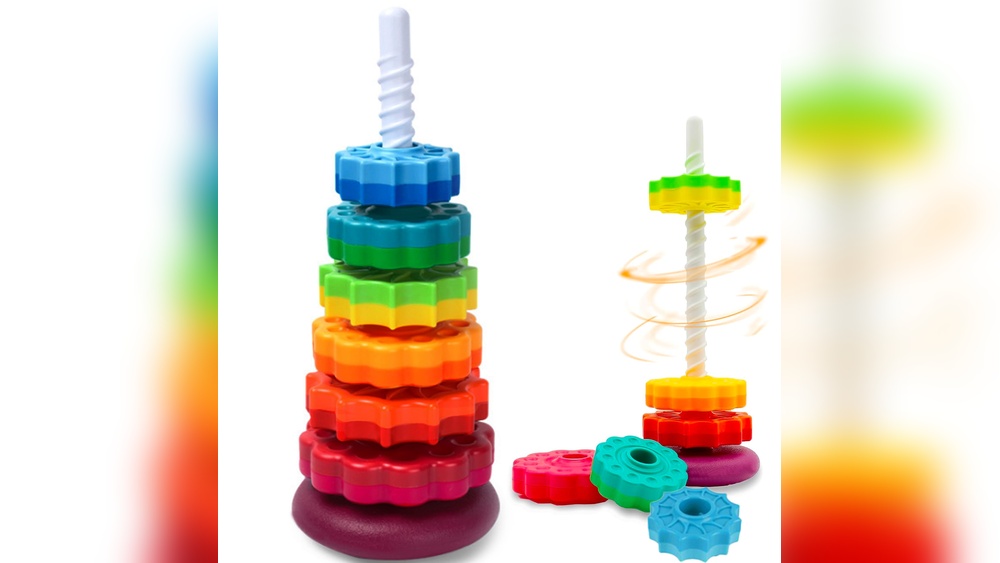
Have you ever noticed your toddler completely fascinated by spinning toy wheels? You might wonder why they’re so drawn to this simple action.
It’s not just about play—there’s more going on inside your child’s curious mind. Understanding why your little one loves to spin those wheels can help you support their growth and enjoy watching their discoveries. Keep reading to uncover the surprising reasons behind this common toddler behavior and how it benefits your child’s development.
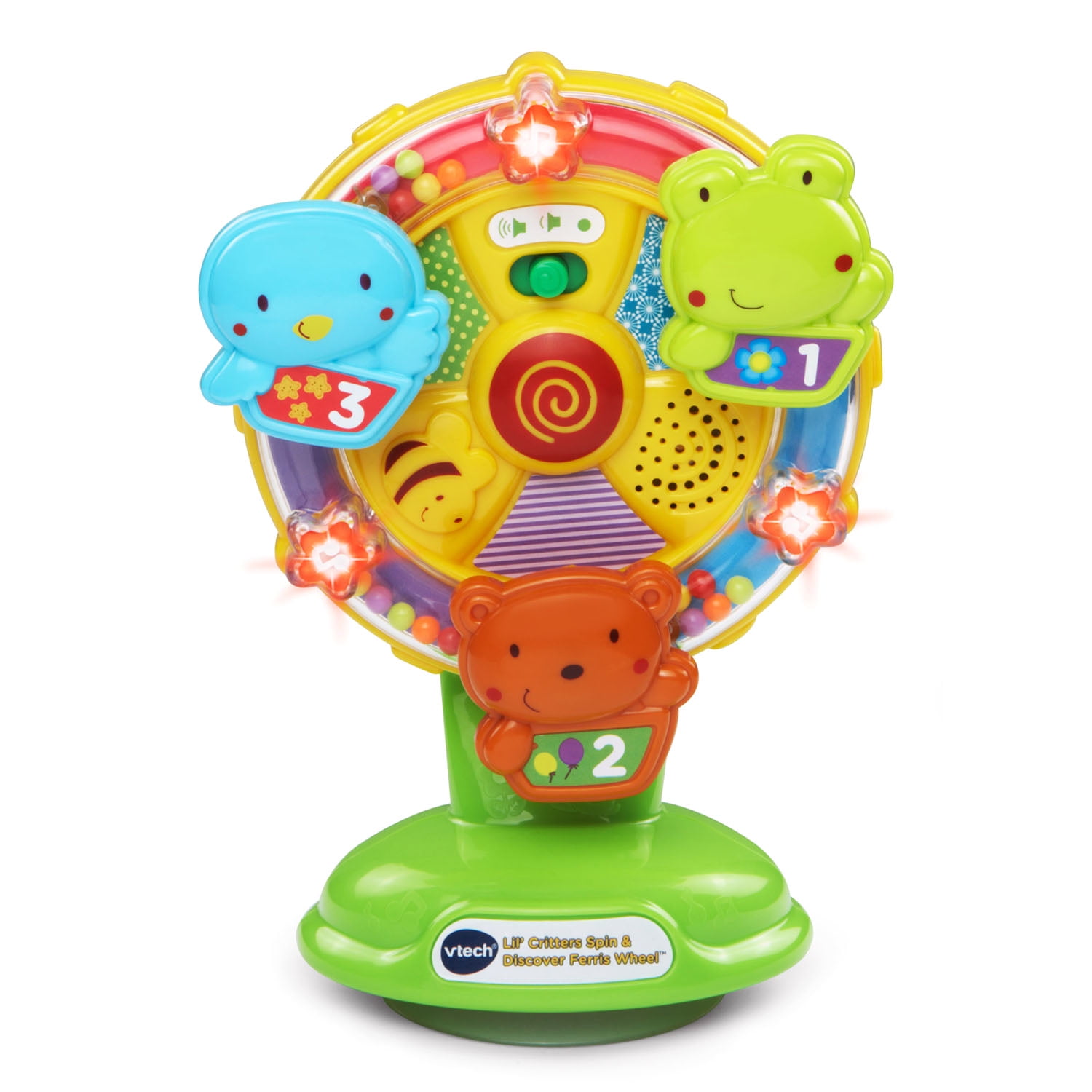
Credit: www.walmart.com
Appeal Of Movement
Toddlers love movement. It captures their attention and keeps them curious. Spinning toy wheels offer constant motion that fascinates young minds. This movement appeals to their natural desire to explore and learn.
The motion of spinning wheels draws toddlers in. It helps them understand cause and effect. They watch the wheel turn, then try to spin it themselves. This simple action feels exciting and new.
Captivating Visual Stimulation
Spinning wheels create colorful and dynamic patterns. These patterns change quickly as the wheel turns. Toddlers enjoy watching the bright colors blend and shift.
Moving objects help develop a child’s vision. The constant change strengthens focus and tracking skills. Eyes follow the wheel’s movement, improving coordination and attention.
Soothing Sensory Feedback
The smooth spinning motion provides gentle sensory input. This feedback can calm toddlers and reduce restlessness. The steady rhythm of the wheel turning feels comforting.
Touching and spinning the wheel also gives tactile stimulation. Toddlers learn about textures and pressure through their hands. This sensory play supports brain development and emotional well-being.

Credit: www.walmart.com
Exploring Cause And Effect
Toddlers love to spin toy wheels because it helps them explore cause and effect. They see how their actions create reactions. This simple activity teaches them that doing something causes something else to happen.
By spinning wheels, toddlers learn that their hands can make things move. This builds their understanding of the world. It also keeps them curious and eager to try new things.
Learning Through Interaction
Spinning wheels lets toddlers interact with their environment. They learn that pushing or pulling changes the wheel’s motion. This helps them understand the link between actions and results.
This interaction supports their thinking skills. It encourages them to experiment and discover what works. Toddlers gain confidence by seeing how their efforts affect objects around them.
Building Motor Skills
Turning toy wheels helps toddlers develop fine motor skills. Their fingers and hands get stronger and more coordinated. This improves their ability to grip, twist, and control small objects.
Spinning also promotes hand-eye coordination. Toddlers watch the wheel move as they spin it. This connection between sight and movement is important for many daily tasks.
Imagination And Pretend Play
Toddlers love to spin toy wheels as part of their imagination and pretend play. This simple action helps them explore new ideas and create fun stories. Spinning wheels become more than just toys; they turn into parts of exciting adventures. Through play, toddlers learn about the world and express their feelings. Their imagination grows stronger with each spin.
Creating Stories Around Toys
Toddlers often make up stories while spinning toy wheels. A wheel might become a car racing on a track or a spaceship flying to the moon. These stories help children practice language skills and understand how things work. They feel proud when their ideas come to life through play. Spinning wheels give children a way to connect with their thoughts and dreams.
Mimicking Adult Behavior
Spinning toy wheels allows toddlers to copy what they see adults do. They might pretend to drive a car or fix a bike. This type of play helps them understand daily tasks and social roles. Mimicking adults gives toddlers a sense of control and independence. It also builds confidence as they try new actions and learn from them.
Developing Focus And Patience
Toddlers often spin toy wheels as they explore the world around them. This simple act helps them build focus and patience. These skills are important for their growth. Spinning wheels demands attention and waiting. Both require concentration and calmness.
Enhancing Attention Span
Spinning toy wheels captures a toddler’s attention. The movement and colors keep their eyes fixed. This activity trains the brain to focus on one task. Over time, toddlers learn to pay attention longer. It helps improve their ability to concentrate on other tasks too.
Practicing Persistence
Spinning wheels is not always easy for toddlers. Sometimes the wheels get stuck or slow down. Toddlers learn to keep trying despite challenges. This practice builds patience and persistence. They understand that some things need time and effort.
Emotional Comfort
Toddlers often spin toy wheels for emotional comfort. This simple act helps them feel safe and calm. Spinning wheels can become a small ritual that brings peace during busy or confusing moments. It gives toddlers a way to control their feelings and focus on something steady.
The repetitive motion of spinning helps soothe their minds. It creates a quiet space in their day, reducing stress. This behavior is a natural way for toddlers to handle big emotions they cannot yet express with words.
Self-soothing Techniques
Spinning toy wheels acts as a self-soothing tool. Toddlers learn to calm themselves without outside help. This skill is important for emotional growth. The smooth, repetitive movement feels predictable and safe. It helps toddlers relax and feel in control.
By focusing on the spinning, toddlers divert attention from discomfort. This distraction helps reduce feelings of frustration or sadness. Spinning wheels become a simple way to manage feelings at any moment.
Managing Anxiety
Toddlers can feel anxious in new or loud places. Spinning wheels provide a comforting focus amid chaos. The activity lowers stress by giving a sense of order and predictability. It helps toddlers cope with changes and uncertainty.
This small action builds emotional resilience. It teaches toddlers to handle anxiety calmly. Spinning toy wheels offer a safe outlet for nervous energy and worry.

Credit: www.amazon.com
Signs Of Neurological Development
Toddlers spinning toy wheels can show how their brains grow. This action helps develop focus, coordination, and cause-effect learning. Watching these behaviors gives clues about a child’s neurological development.
Understanding these signs can guide parents and caregivers to support the child’s growth properly.
Recognizing Repetitive Behaviors
Spinning wheels often repeats because toddlers enjoy the movement and sound. This repetition helps build brain connections. It also improves motor skills and attention span.
Repetitive actions are normal and part of learning. They show curiosity and a desire to explore cause and effect. Toddlers use these behaviors to understand their world.
When To Seek Guidance
Sometimes, repetitive spinning may seem excessive or cause concern. Watch if the child ignores other activities or social interaction. These signs could suggest a need for expert advice.
Consult a pediatrician if behaviors limit learning or social skills. Early support helps children develop in healthy ways. Professionals can offer strategies to encourage balanced growth.
Frequently Asked Questions
Why Do Toddlers Love Spinning Toy Wheels?
Toddlers enjoy spinning toy wheels because it stimulates their senses. The motion and colors engage their curiosity. It helps develop motor skills and hand-eye coordination. Spinning wheels also provide a calming sensory experience that supports early learning and exploration.
How Does Spinning Wheels Help Toddler Development?
Spinning toy wheels improve toddlers’ fine motor skills by encouraging grasping and turning motions. It enhances hand-eye coordination and spatial awareness. This activity promotes cognitive development by introducing cause and effect concepts. It also supports sensory integration, making it a beneficial play tool.
Are Spinning Toy Wheels Safe For Toddlers?
Yes, spinning toy wheels are generally safe if made from non-toxic, durable materials. Ensure they have no small parts that pose choking hazards. Supervised play is recommended to prevent accidents. Choose age-appropriate toys designed specifically for toddlers to ensure safety.
What Skills Do Toddlers Learn From Spinning Wheels?
Toddlers learn several skills, including fine motor coordination, visual tracking, and cause-effect understanding. Spinning wheels also encourage sensory exploration and problem-solving. These skills are foundational for cognitive growth and physical development in early childhood.
Conclusion
Toddlers spin toy wheels to explore and learn about their world. This simple act helps develop focus, coordination, and cause-and-effect understanding. Spinning wheels capture their attention and provide sensory fun. Parents can encourage this behavior by offering safe toys with wheels.
Watching a child’s curiosity grow is rewarding. Spinning wheels are more than play—they support early learning and growth. Keep providing chances for your toddler to discover through play. Small actions like spinning wheels build important skills for the future.
