
Have you ever noticed how your toddler seems more focused and creative when they have just a few toys to play with? It might feel natural to think that more toys mean more fun, but the opposite is often true.
When your little one has fewer toys around, their imagination grows stronger, and playtime becomes more meaningful. Curious to find out why less really is more when it comes to your toddler’s toys? Keep reading, because understanding this can change the way your child plays—and learns—every day.

Credit: www.washingtonpost.com
Fewer Toys, More Focus
Having fewer toys helps toddlers focus better during playtime. When there are too many toys, children can feel confused and distracted. Limiting toys lets toddlers choose one or two items and explore them deeply. This focused play supports their learning and creativity.
Reducing Overwhelm
Too many toys can make toddlers feel overwhelmed. Their small brains can only handle so much at once. When toys are scattered, children may jump from one toy to another without finishing. Fewer toys create a calm space. This calm helps toddlers enjoy play more and stay interested longer.
Boosting Concentration
With fewer toys, toddlers can concentrate on one activity at a time. They learn to use their imagination and problem-solving skills. Concentration grows as toddlers explore each toy’s details. This focused play builds strong attention skills that help in school and daily life.

Credit: trentmontessori.com
Creativity Flourishes
Creativity grows best when toddlers have fewer toys around. A smaller selection invites children to use their imagination more deeply. It pushes them to invent new ways to play and explore. This type of play helps build strong creative muscles in young minds.
Imaginative Play
Fewer toys mean toddlers can turn one item into many things. A block can become a car, a house, or a boat. This open-ended play sparks their creativity. It lets them dream up stories and adventures. Children learn to think beyond what is given to them.
Problem Solving Skills
With fewer toys, children face simple challenges. They find ways to fix broken toys or make new games. This encourages them to think and solve problems on their own. They learn patience and persistence during play. These skills help them outside playtime too.
Emotional Growth
Emotional growth is a key part of a toddler’s development. Playing with fewer toys helps children focus on feelings and relationships. It teaches them to wait, share, and connect deeply with their environment.
Learning Patience
Having fewer toys means toddlers learn to wait for their turn. They experience small delays that build patience over time. This skill is important for managing emotions and social situations. Toddlers practice calming down and controlling impulses. These moments teach them to be patient and thoughtful.
Building Attachment
Fewer toys encourage toddlers to form strong bonds with their favorite items. They spend more time exploring and caring for these toys. This builds a sense of security and comfort. Also, toddlers focus more on people around them, deepening emotional connections. These attachments support healthy emotional growth and trust.
Better Social Skills
Playing with fewer toys helps toddlers improve their social skills. It encourages them to interact more with others. This setting creates chances for sharing, cooperating, and talking. These moments build strong social habits early in life.
Sharing And Cooperation
Toddlers learn to share toys when there are fewer options. They wait their turn and take turns easily. This practice teaches patience and respect for others. Cooperation happens naturally as children play together with the same toys. They solve small problems and work as a team. These skills help in group activities later in school.
Communication Development
Playing with fewer toys encourages toddlers to talk more. They ask questions and describe what they want. This back-and-forth talking builds vocabulary and language skills. Toddlers also learn to listen and understand others better. Simple playtime turns into valuable conversations. This helps children express their feelings clearly and confidently.
Easier Cleanup
Having fewer toys makes cleanup much easier for toddlers and parents. A small number of toys means less mess and less time spent putting things away. This simple change helps create a calm and tidy play area quickly. It also teaches toddlers the value of order and care for their belongings.
Teaching Responsibility
With fewer toys, toddlers can learn to take care of their things. Cleaning up becomes a clear task they can manage. This practice helps build good habits early in life. Toddlers see how their actions affect their space and toys. It encourages them to be responsible and independent.
Reducing Stress For Parents
Parents feel less stress when there are fewer toys scattered around. Cleanup is faster, leaving more time for rest or play. A tidy home feels peaceful and welcoming. It also reduces the chance of losing or breaking toys. Simple cleanup routines make family life smoother and happier.
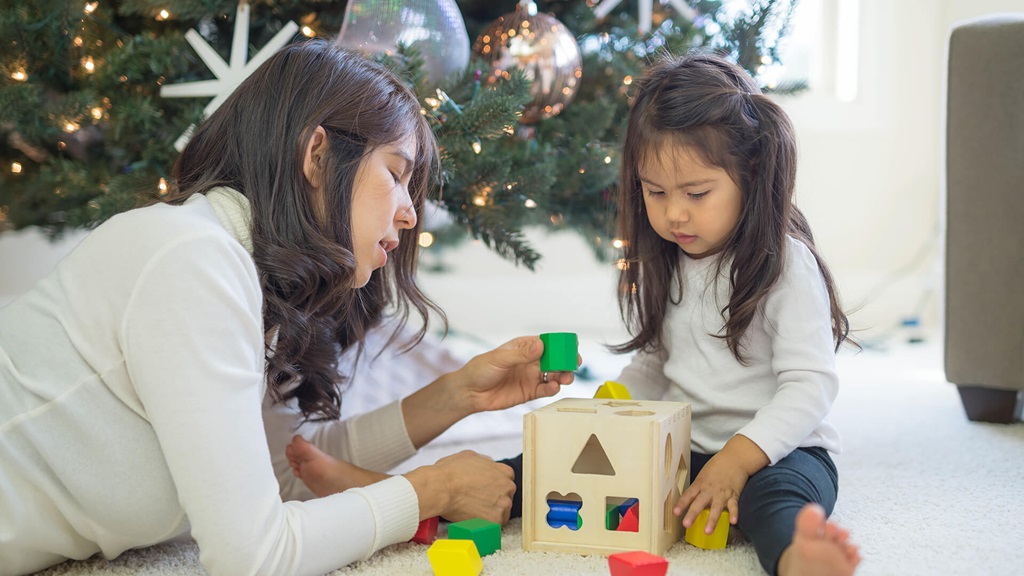
Credit: atriumhealth.org
Selecting The Right Toys
Selecting the right toys helps toddlers enjoy playtime more. It supports their growth and learning. Choosing fewer, better toys keeps their attention and sparks creativity. Simple, well-made toys encourage imagination and problem-solving skills. Thoughtful choices create a positive play experience without overwhelming the child.
Quality Over Quantity
Good toys last longer and are safer. They offer many ways to play and learn. Cheap toys often break fast and lose interest. Quality toys invite children to explore and think. One sturdy toy can provide hours of fun.
Age-appropriate Choices
Toys must fit a toddler’s age and skills. Toys too hard or too easy frustrate or bore children. Age-appropriate toys match their abilities and curiosity. They help develop fine motor skills and creativity. Choose toys that challenge without causing stress.
Frequently Asked Questions
Why Do Toddlers Focus Better With Fewer Toys?
Toddlers focus better with fewer toys because fewer distractions allow deeper engagement. This boosts creativity and concentration during playtime.
How Do Fewer Toys Improve Toddler Creativity?
Fewer toys encourage toddlers to use imagination more. Limited options push them to invent new ways to play and problem-solve.
Can Fewer Toys Reduce Toddler Tantrums?
Yes, fewer toys reduce overwhelm and decision fatigue. Toddlers feel calmer and more content, leading to fewer tantrums and frustration.
What Benefits Do Toddlers Gain From Minimal Toys?
Minimal toys improve focus, creativity, and emotional regulation. Toddlers learn to appreciate and explore each toy more deeply.
Conclusion
Toddlers enjoy playing more with fewer toys. It helps them focus and use their imagination. Too many toys can cause distraction and confusion. Simple play encourages creativity and problem-solving skills. Parents can support growth by choosing quality over quantity. Less clutter means happier, calmer playtime for toddlers.
This approach builds strong foundations for learning and fun. Keep toys limited to spark curiosity and joy. Play with purpose, not just for passing time. Small collections of toys often bring big smiles. Choose wisely and watch toddlers thrive through play.
