
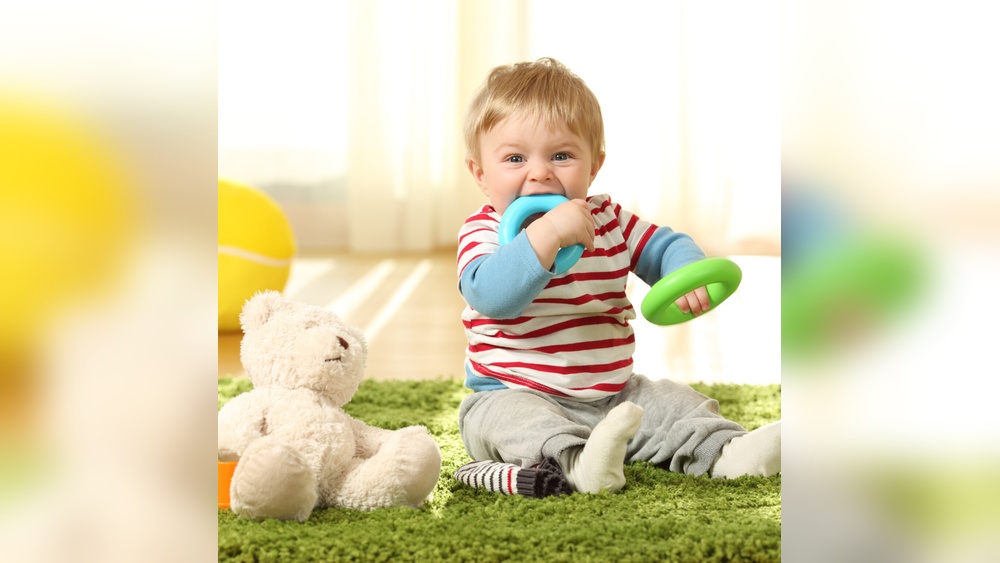
Have you ever wondered why your two-year-old insists on putting every toy in their mouth? It can be confusing and even a little worrying.
But there’s a reason behind this behavior, and understanding it can help you support your child better. You’ll discover the surprising reasons why toddlers mouth toys at this age and learn simple ways to keep them safe while they explore the world around them.
Keep reading—you’ll find answers that make parenting just a bit easier.

Credit: www.amazon.com
Common Reasons Toddlers Mouth Toys
Toddlers often put toys in their mouths. This behavior is normal and serves many purposes. Understanding why toddlers mouth toys helps parents stay calm and support their child’s development. Here are common reasons toddlers explore toys this way.
Exploring With Senses
Toddlers use their mouths to learn about objects. Their sense of taste and touch helps them understand new things. Hands and mouths work together to explore shapes, textures, and sizes. This sensory play is important for brain growth.
Teething And Gum Relief
At age two, many toddlers still have sore gums. Chewing on toys eases pain from new teeth coming in. Soft or textured toys can soothe their discomfort. This helps toddlers feel better and stay calm.
Seeking Comfort And Security
Mouthing toys can also comfort toddlers. It offers a sense of safety during stress or change. Holding and chewing a favorite toy can calm fears. This behavior helps toddlers feel secure in their world.

Credit: www.amazon.com
Developmental Benefits Of Mouthing
Toddlers often put toys in their mouths. This habit helps their growth in many ways. Mouthing toys is not just about exploring taste or texture. It plays a key role in their development. Understanding these benefits helps parents support their child’s learning journey.
Enhancing Oral Motor Skills
Mouthing toys strengthens the muscles in the mouth. These muscles are important for chewing and speaking. Toddlers practice biting and moving their tongue. This practice improves control and coordination. Strong oral motor skills lead to clearer speech later.
Boosting Cognitive Growth
Touching toys with their mouth helps toddlers learn. They discover shapes, sizes, and textures this way. This sensory input builds brain connections. It supports problem-solving and thinking skills. Mouthing also helps children remember and recognize objects.
Supporting Emotional Regulation
Mouthing toys can calm toddlers in stressful moments. The action soothes and helps release tension. It gives a sense of comfort and safety. This helps toddlers manage strong feelings better. Emotional regulation is important for social and learning skills.
When Mouthing Becomes Concerning
Mouthing toys is normal for toddlers. It helps them explore textures and tastes. Usually, this behavior fades as they grow. Sometimes, mouthing lasts too long or gets intense. That can signal a problem. Parents should watch closely for signs that mouthing is concerning.
Signs Of Over-mouthing
Over-mouthing means your child puts toys in their mouth constantly. It may cause drooling or chewing on non-toy objects. The child might seem restless or frustrated. Mouthing may interfere with play or sleep. These signs show the behavior is beyond normal exploration.
Potential Health Risks
Toys carry dirt and germs that can cause infections. Chewing hard toys may hurt gums or teeth. Swallowing small toy parts can be dangerous. Excessive drooling can cause skin irritation. Over-mouthing raises the risk of choking and illness.
When To Consult A Pediatrician
Talk to a doctor if mouthing lasts too long. Seek help if your child chews harmful objects. Visit a pediatrician when mouthing affects daily activities. Get advice if your child shows signs of infection or injury. Early help can prevent bigger health problems.
Safe Toy Choices For Mouthing Toddlers
Choosing safe toys for toddlers who mouth objects is very important. At age two, children explore the world with their mouths. Parents must pick toys that protect their little ones from harm. Safety starts with the right materials, shapes, and care routines.
Safe toys help toddlers learn and play without risks. Understanding what makes a toy safe helps parents make smart choices. The following points explain key features of safe toys for mouthing toddlers.
Non-toxic Materials
Toys made from non-toxic materials are a must. Toddlers put toys in their mouths often. Harmful chemicals can cause health problems. Look for toys labeled BPA-free, phthalate-free, and lead-free. Natural materials like wood and silicone are good options. These materials do not release dangerous substances when chewed.
Size And Shape Considerations
Toy size and shape prevent choking hazards. Choose toys large enough to avoid swallowing. Avoid small parts or pieces that can break off. Rounded edges reduce the risk of cuts or injuries. Soft but firm toys are easier and safer to mouth. Always check the toy’s safety guidelines for age recommendations.
Cleaning And Maintenance Tips
Regular cleaning keeps toys safe and hygienic. Wash toys often with warm, soapy water. Some toys are dishwasher-safe, making cleaning easier. Inspect toys for cracks, tears, or damage regularly. Replace damaged toys immediately to avoid injury. Proper care extends the life of toys and protects toddlers.
Tips To Manage And Redirect Mouthing
Toddlers often put toys in their mouths as part of exploring and learning. This behavior can be tricky for parents. Managing and redirecting mouthing helps keep children safe. It also supports healthy development. Use simple and clear methods to guide your child away from mouthing inappropriate items.
Focus on giving your toddler safe options and new experiences. Positive support encourages better habits. Here are practical tips to manage and redirect mouthing.
Introducing Teething Alternatives
Offer safe teething toys made from soft, non-toxic materials. These toys soothe sore gums and satisfy the urge to chew. Keep teething rings chilled for extra comfort. Replace hard or small objects with these safe alternatives. This reduces the risk of choking or damage to teeth.
Encouraging Other Sensory Activities
Provide toys that engage senses without needing to be mouthed. Textured balls, soft blocks, and fabric books are good choices. Activities like finger painting or playing with water can distract from chewing. Sensory play supports brain development and reduces mouthing urges. Rotate toys often to keep your toddler interested.
Positive Reinforcement Strategies
Praise your toddler when they play without mouthing toys. Use simple words like “good job” or “well done.” Gently redirect their hands to safe toys if they start mouthing. Avoid harsh words or punishment, which can confuse your child. Consistent, calm encouragement builds better habits over time.
Credit: fresh-lock.com
Frequently Asked Questions
Why Do Toddlers Mouth Toys At Age Two?
Toddlers mouth toys to explore textures and learn about their environment. It helps develop sensory skills and curiosity. This behavior is natural and part of early childhood development.
Is Mouthing Toys Safe For Two-year-olds?
Mouthing toys can be safe if toys are non-toxic and clean. Always choose age-appropriate, BPA-free, and well-maintained toys to avoid choking or poisoning risks.
How Long Do Toddlers Mouth Toys?
Most toddlers mouth toys mainly between 6 months and 2 years. By age two, this behavior gradually decreases as they develop other ways to explore.
Can Mouthing Toys Cause Health Issues?
Mouthing toys can cause minor issues if toys are dirty or unsafe. Always sanitize toys regularly and inspect for small parts to prevent infections or choking hazards.
Conclusion
Toddlers mouth toys to learn about their world. This behavior helps them explore textures and shapes. It also soothes their gums during teething. Parents should keep toys clean and safe. Watch for choking hazards and choose age-appropriate items. Understanding this habit helps caregivers stay calm and supportive.
It is a normal stage in toddler growth. Offering safe alternatives can reduce risks. Patience and care guide toddlers through this phase. Their curiosity leads to important learning and development.
