
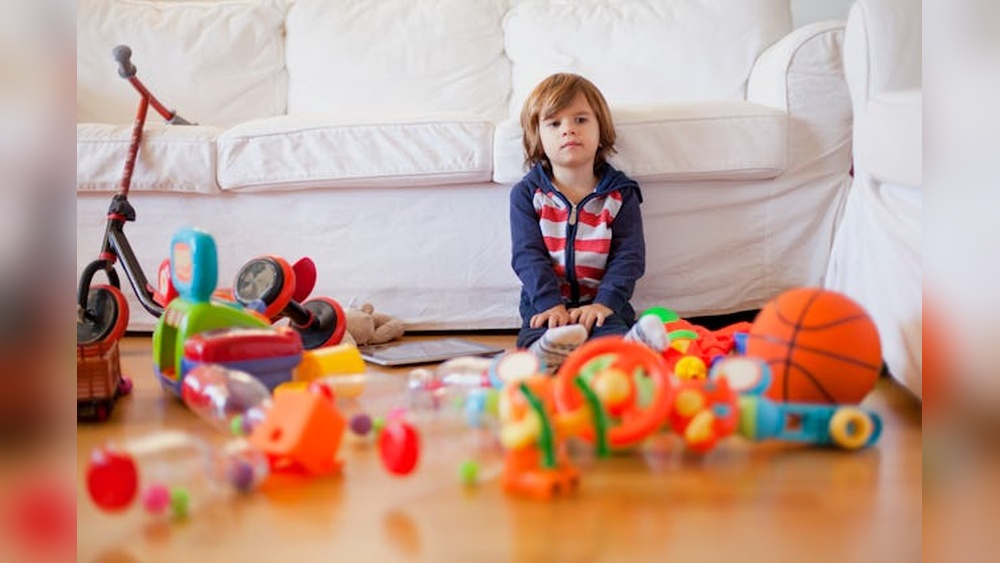
Have you ever noticed how your toddler plays with a toy for just a few minutes before losing interest and moving on? It can be frustrating to buy new toys, only to see them forgotten so quickly.
But why does this happen? Understanding the reasons behind your child’s short attention span can help you choose toys that truly engage them and support their growth. You’ll discover the surprising factors that make toddlers lose interest fast—and learn simple ways to keep their curiosity alive longer.
Keep reading to unlock the secrets to your toddler’s ever-changing world of play.
Toddler Brain Development
Toddlers’ brains grow very fast in the first years of life. This growth changes how they think and play. Their minds are always learning new things. This makes them curious but also quick to lose interest. Understanding toddler brain development helps explain why toys don’t hold their attention for long.
Rapid Cognitive Growth
Toddler brains build new connections every day. This rapid growth helps them learn words, shapes, and sounds. Toddlers want to explore many new ideas quickly. Toys that seem fun at first can soon feel boring. Their minds need fresh challenges to stay interested.
Short Attention Spans
Toddlers cannot focus for long. Their attention spans last only a few minutes. They jump from one thing to another fast. This is normal and shows their brain is working hard. Toys that do not change or surprise them lose appeal quickly. New toys or different ways to play keep their focus longer.

Credit: www.siliconemania.com
Role Of Curiosity
Curiosity drives toddlers to learn about their world. It makes them want to touch, see, and try new things. This natural urge causes toddlers to quickly lose interest in toys. They need fresh experiences to satisfy their curious minds. A toy can become boring once it is fully explored. Understanding curiosity helps explain why toddlers move on fast.
Seeking New Experiences
Toddlers want to discover something new every day. They often get bored with toys that stay the same. New toys or objects offer different challenges and fun. This search for newness keeps their minds active and sharp. It also helps their brain grow by learning about changes and surprises.
Exploring Different Senses
Toddlers use all their senses to explore toys. They like to touch, smell, hear, and see different textures and colors. Toys that stimulate many senses hold their attention longer. Once a toy stops surprising their senses, interest fades. They then look for something else to explore with their senses.
Overstimulation Factors
Toddlers often lose interest in toys quickly because of overstimulation. Their young brains can only process so much at once. Too many sights, sounds, and choices can overwhelm them. This overload makes it hard to focus on just one toy. Understanding these factors helps caregivers provide better play experiences.
Too Many Toy Options
Having many toys might seem good, but it can confuse toddlers. They see so many choices, they do not know where to start. This confusion causes quick boredom. Toddlers prefer fewer toys to explore deeply. Limiting options helps them enjoy each toy longer.
Sensory Overload
Toddlers’ senses are very sensitive. Bright colors, loud noises, and many textures can overwhelm them. This sensory overload makes play stressful instead of fun. Toys with simple designs and gentle sounds keep toddlers calm. A calm child plays more and stays interested longer.

Credit: www.amazon.com
Social Interaction Impact
Toddlers often lose interest in toys quickly because social interaction plays a big role in their development. They find people more exciting than objects. Watching faces, hearing voices, and playing with others catch their attention more than toys do.
Social interaction helps toddlers learn about the world. They copy actions and words from caregivers and friends. This learning through play is more engaging than just using toys alone. Social moments offer new experiences that toys cannot provide.
Preference For People Over Objects
Toddlers prefer people to toys because people respond to them. Faces show emotions and communicate in ways toys cannot. Smiles, talking, and eye contact make toddlers feel safe and interested.
They enjoy being part of social games like peekaboo or simple songs. Toys do not change or react, so toddlers lose interest quickly. People provide dynamic and meaningful interaction, which keeps toddlers engaged longer.
Learning Through Play
Play with others teaches toddlers new skills. They learn language, social rules, and problem-solving through interaction. Toys are helpful but only part of the learning process.
When toddlers play with others, they practice sharing and taking turns. These social skills are important for their growth. Toys alone cannot teach these lessons as effectively as social play does.
Emotional Development
Toddlers change their interests quickly as they grow emotionally. Their feelings and thoughts develop fast. This growth affects how they play and use toys. They start to understand themselves and the world better. Emotions guide their actions and choices more each day.
Expressing Independence
Toddlers want to do things by themselves. Toys become tools for showing their skills. They switch toys to find what fits their mood. Choosing and exploring builds confidence. They enjoy control over their playtime. This need for independence leads to quick changes in interest.
Managing Frustration
Toddlers feel frustration when toys are too hard to use. They may lose interest fast to avoid upset feelings. Trying new toys helps them find easier challenges. This helps them learn patience and problem-solving. Changing toys can calm their emotions and keep play fun.

Credit: www.amazon.ae
Toy Design And Appeal
Toddlers often lose interest in toys quickly. One main reason is how toys are designed and what makes them appealing. Toys that match a toddler’s needs and skills hold their attention longer. Toys that do not fit their age or interests get boring fast.
Understanding toy design helps parents and caregivers choose better toys. Good toy design keeps toddlers engaged and supports their growth. Let’s explore two key points about toy design and appeal.
Age-appropriate Features
Toys with age-appropriate features match a toddler’s abilities. These toys are safe and easy to use. For example, toys for young toddlers have big buttons or simple shapes. Toddlers enjoy toys they can handle themselves.
Too complex toys confuse toddlers. They lose interest quickly if toys are too hard or too simple. Age-appropriate toys offer the right challenge. They help toddlers learn and play happily.
Interactive Vs. Passive Toys
Interactive toys invite toddlers to join in the fun. These toys respond to touch, sound, or movement. Toddlers like toys that talk, light up, or move. Interactive toys keep their attention longer.
Passive toys do not change or react. Toddlers may find them boring after a short time. Toys that encourage action and discovery hold interest better. Toddlers learn more from toys they can control.
Parental Influence
Parents play a big role in how toddlers enjoy their toys. Toddlers watch and learn from their parents. The way parents act around toys can change a child’s interest. Parental involvement can either keep a toy exciting or make it boring fast.
Parents who show joy and curiosity with toys help kids stay curious too. Toddlers copy what they see. If parents spend time playing with toys, toddlers want to play longer. This shared playtime builds strong interest in toys.
Modeling Play Behavior
Parents who play with toys show children how to use them. They teach kids new ways to explore and enjoy toys. This helps toddlers see toys as fun and useful. Parents can try different games or stories with toys. Toddlers learn by watching and doing with their parents.
Encouraging Focus
Parents can help toddlers focus on one toy at a time. They can guide children to explore the toy slowly. Talking about the toy’s colors, shapes, or sounds keeps toddlers interested. Quiet and calm playtime helps toddlers pay attention. Focused play helps toddlers enjoy toys longer and understand them better.
Strategies To Sustain Interest
Keeping toddlers interested in their toys can be a challenge. Their attention spans are short, and new things catch their eyes quickly. Using simple strategies can help keep their playtime fun and engaging for longer. These methods make toys feel fresh and exciting again.
Rotating Toys Regularly
Changing the toys your toddler plays with every few days keeps things interesting. Put some toys away and bring others out after a while. This makes old toys feel new again. Toddlers enjoy discovering toys they forgot about. It also prevents boredom from seeing the same toys all the time.
Engaging In Shared Play
Playing together with your toddler adds fun and learning. Join them in their play and show interest in the toys. Your attention makes the activity more enjoyable and exciting. Toddlers love when adults play with them. It encourages them to explore toys in new ways and stay focused longer.
Frequently Asked Questions
Why Do Toddlers Lose Interest In Toys Quickly?
Toddlers lose interest as their curiosity grows rapidly. They seek new challenges and experiences to stimulate their developing minds. Toys may become less engaging once the novelty fades, prompting them to explore other activities or objects.
How Does Toddler Brain Development Affect Toy Interest?
Rapid brain growth makes toddlers crave variety and complexity. Simple toys soon fail to engage their improving motor and cognitive skills. This natural progression drives them to seek toys that better match their evolving abilities.
Can Boredom Cause Toddlers To Discard Toys Fast?
Yes, boredom is a key reason toddlers abandon toys. Repetitive play with the same toy loses appeal quickly. Toddlers need fresh stimuli to stay interested and engaged in playtime activities.
Does Toy Variety Help Maintain Toddler Interest?
Offering diverse toys can extend a toddler’s engagement. Different textures, colors, and functions stimulate multiple senses. Variety encourages exploration, preventing quick boredom and fostering longer play sessions.
Conclusion
Toddlers lose interest in toys as they explore new skills and ideas. Their fast-growing minds seek fresh challenges and excitement. This behavior shows healthy development, not boredom or dislike. Parents can support by offering varied, simple toys and time for play.
Changing toys often keeps toddlers curious and engaged. Remember, short attention spans are normal at this age. Enjoy watching your child learn through play every day.
