
Have you ever watched your toddler carefully line up their toys in a perfect row and wondered why they do it? It might seem like a simple game, but there’s more happening beneath the surface.
Understanding this behavior can give you a glimpse into how your little one thinks and learns. You’ll discover the surprising reasons behind this habit and what it means for your child’s development. Keep reading—you’ll find insights that can help you connect with your toddler in a whole new way.
Common Toy-lining Behavior
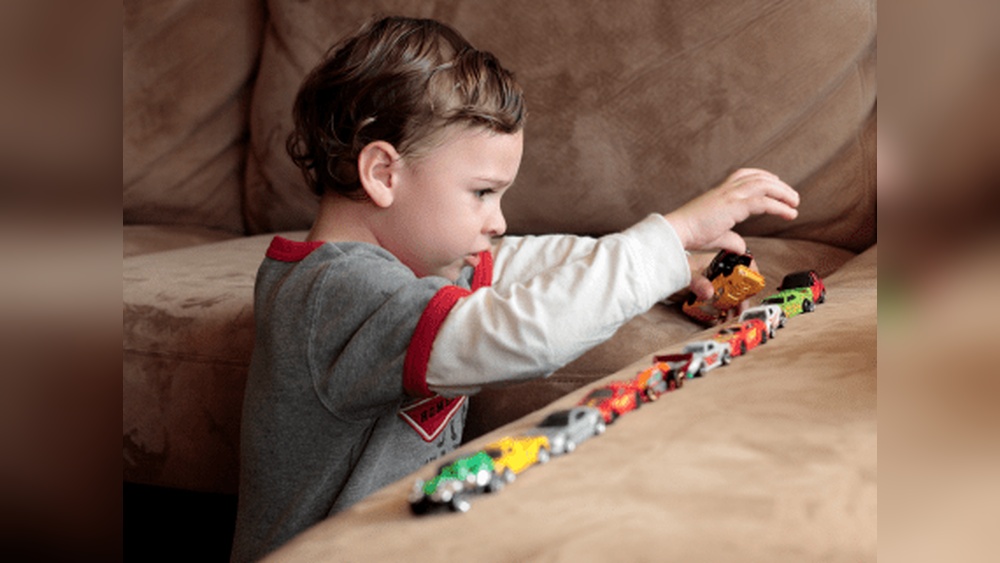
Toddlers often line up their toys in a neat row. This behavior is common and shows how they explore their world. It helps them feel in control and understand order. Lining up toys can be calming and fun for toddlers. Parents may wonder why children do this and when it starts.
Understanding this habit gives insight into a toddler’s mind. It also shows how children develop skills like focus and pattern recognition. Watching a toddler line up toys can reveal their growing curiosity and sense of order.
When Toddlers Start Lining Toys
Toddlers usually begin lining toys between 18 and 24 months. At this age, they start to notice patterns and sequences. They also enjoy sorting objects by color or size. This interest grows as their brain develops.
Some toddlers may start earlier or later. Each child develops differently. Lining up toys is a natural part of learning and play. It reflects their growing attention to detail.
Frequency And Contexts
Toddlers line up toys mostly during quiet play times. They do this at home or daycare. The behavior happens more when a child feels calm and focused. Lining up can be a way to relax or organize their space.
The frequency varies from child to child. Some line up toys every day, others less often. It often happens with favorite toys like cars or blocks. This activity helps toddlers practice control and planning skills.

Credit: littlesproutspeech.com
Cognitive Development Factors
Toddlers lining up their toys is more than a simple habit. It reflects key cognitive development stages. These early actions help toddlers understand the world better. They improve mental skills through play.
Sorting And Categorizing Skills
When toddlers line up toys, they practice sorting. They group toys by size, color, or type. This builds their ability to categorize objects. It helps them recognize patterns and similarities. Sorting also improves memory and focus. These skills are important for learning in school and daily life.
Cause And Effect Learning
Lining up toys teaches toddlers about cause and effect. They learn what happens when they move or arrange objects. For example, pushing a toy car in line shows movement results. This helps toddlers understand actions and consequences. It supports problem-solving and critical thinking. These lessons form the base for more complex learning later.
Emotional And Sensory Needs
Toddlers line up their toys for many reasons. One key reason involves their emotional and sensory needs. These needs help toddlers feel safe and understand their world better. Lining up toys gives them a way to manage feelings and explore senses. It is more than just play—it is a way to grow and learn.
Seeking Comfort And Control
Toddlers often feel unsure about new things around them. Lining up toys creates a sense of order. This order helps them feel calm and safe. It gives them control in a world that seems big and confusing. Arranging toys in a line becomes a comforting routine. It helps reduce anxiety and builds confidence.
Sensory Stimulation Benefits
Lining up toys also offers sensory benefits. Toddlers use their sight and touch to explore patterns and shapes. This activity helps develop their focus and coordination. Repeating the same action provides soothing sensory input. It supports brain development by connecting senses with movement. The sensory experience makes learning fun and natural.

Credit: www.tptoys.com
Early Signs Of Pattern Recognition
Toddlers lining up their toys shows their early brain work. This behavior reveals how they start to see patterns. Pattern recognition is a big step in learning. It helps kids make sense of the world around them.
By arranging toys in order, toddlers test how things fit together. This act is more than play. It builds skills that will help them in school and daily life.
Recognizing Order And Sequence
Toddlers notice differences and similarities in toys. They place items by size, color, or shape. This shows they understand order. They see which toy comes first and which one follows next. Sequencing helps children learn routines and predict what happens next.
Building Predictability
When toys are lined up, toddlers create a pattern they can expect. This predictability feels safe and fun. It gives toddlers a sense of control. Predictable patterns help them focus and feel calm. This skill is important for learning rules and solving problems.
Social And Communication Clues
Toddlers often line up their toys for reasons beyond simple play. This habit gives clues about how they feel and communicate. Watching these patterns helps us understand their social world better.
Lining up toys can be a way for toddlers to express emotions without words. It shows how they start to connect with others and share their thoughts.
Expressing Feelings Through Play
Toddlers use toys to show feelings like happiness, fear, or curiosity. Arranging toys in order can calm them or make them feel safe. This play helps them manage strong emotions quietly.
When a child lines up cars or blocks, they might feel proud or focused. This simple act lets them control their environment and express inner feelings.
Nonverbal Communication
Children often communicate without words by using toys. Lining up toys can send messages about how they see the world. It can also show their need for order and predictability.
This silent language helps toddlers connect with adults and other children. It is a step toward learning how to talk about their feelings and ideas.
Potential Links To Autism Spectrum
Toddlers often line up their toys as a way to explore and organize their world. This behavior can be normal, but it can also be a sign of something more. Some children with autism spectrum disorder (ASD) show strong interest in lining up objects. This habit helps them feel calm and in control.
Children with ASD may focus on patterns and order. Lining up toys provides a clear and simple structure. It can also be a way to avoid overwhelming feelings. Parents and caregivers should watch for other signs alongside toy lining.
When Lining Toys Signals Something More
Lining toys alone does not mean a child has autism. But if the child repeats this action all the time, it might be a concern. Other signs include limited eye contact, delayed speech, and difficulty playing with others.
Children with autism often prefer routines and sameness. They may get upset if their lines are disturbed. They might also show little interest in social games or pretend play. Observing these patterns helps understand if toy lining is a red flag.
When To Seek Professional Advice
Talk to a doctor if your child lines up toys often and shows other unusual behaviors. Early evaluation can help get needed support. Professionals can check for autism or other developmental issues.
Getting help early improves learning and social skills. It also guides families to the right resources. Trust your instincts and ask for advice if you feel concerned about your child’s behavior.
Encouraging Healthy Play Habits
Encouraging healthy play habits is important for toddlers’ growth. Play helps children learn about their world. It also builds skills they use every day. Understanding why toddlers line up toys can guide parents and caregivers. This behavior can be a part of healthy play habits. Supporting these habits helps toddlers develop well and enjoy playtime.
Balancing Structure And Creativity
Toddlers need both rules and freedom in play. Lining up toys gives structure. It helps children organize and focus. At the same time, play should allow creativity. Let toddlers explore different ways to use their toys. Encourage mixing lining up with imaginative play. This balance helps them grow in many ways.
Supporting Developmental Growth
Lining up toys supports fine motor skills and hand-eye coordination. It also helps toddlers understand order and patterns. These skills are important for future learning. Play that includes sorting and arranging builds early math skills. Caregivers can support this by providing varied toys and praise. Healthy play habits make learning fun and natural for toddlers.

Credit: www.tptoys.com
Frequently Asked Questions
Why Do Toddlers Line Up Their Toys Repeatedly?
Toddlers line up toys to explore order and control. It helps develop focus, fine motor skills, and understanding of sequences. This behavior supports cognitive growth and offers comfort through routine and predictability.
Is Toy Lining A Sign Of Early Learning?
Yes, lining toys shows early learning of patterns and categorization. It reflects toddlers’ growing ability to organize and make sense of their environment, aiding problem-solving and logical thinking skills.
Could Lining Toys Indicate Sensory Or Developmental Needs?
Sometimes, lining toys may indicate sensory seeking or developmental traits. It can be a self-soothing activity or a way to manage sensory input. Consistent patterns might warrant observation for autism spectrum traits, but often it’s normal behavior.
How Can Parents Support Toddlers Who Line Up Toys?
Parents can support by encouraging play that involves sorting and sequencing. Providing diverse toys enhances learning. Avoid discouraging lining; instead, use it as a teaching moment for counting and colors.
Conclusion
Toddlers line up toys to explore and understand their world. This behavior helps them learn about order and patterns. It also shows their growing focus and control. Parents can support this by giving simple, safe toys to arrange. Watching children line up toys reveals their creativity and thinking.
These small actions build skills for later learning. Enjoy these moments—they show your toddler’s curious mind at work.
