
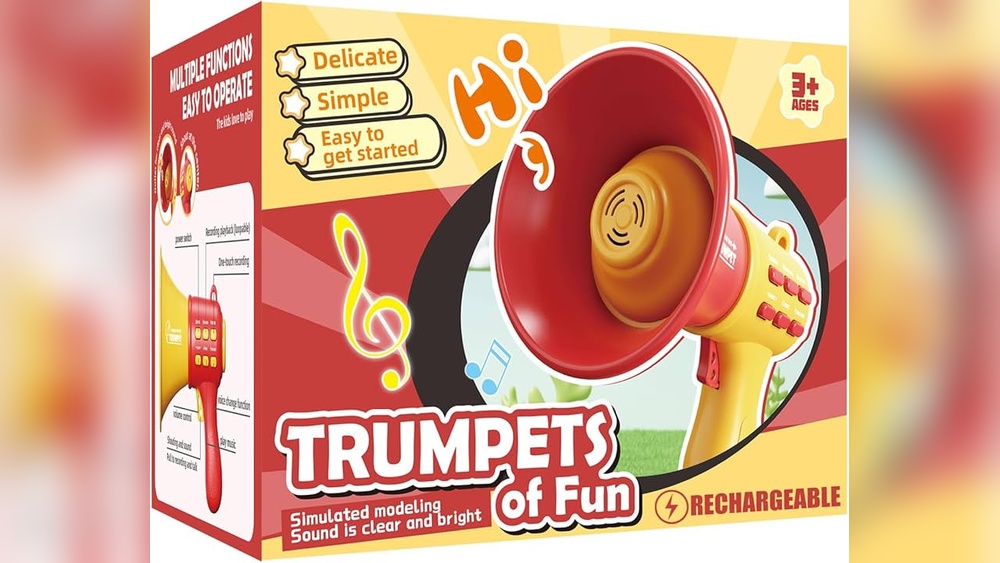
Have you ever wondered why your toddler seems drawn to toys that make lots of noise? Those rattles, bells, and musical gadgets aren’t just random favorites—they actually play a big role in how your little one learns and explores the world.
Understanding why noisy toys capture your child’s attention can help you choose the best playthings that boost their development and keep them happily engaged. Keep reading to discover the surprising reasons behind your toddler’s love for noisy toys—and how you can use this knowledge to support their growth every day.
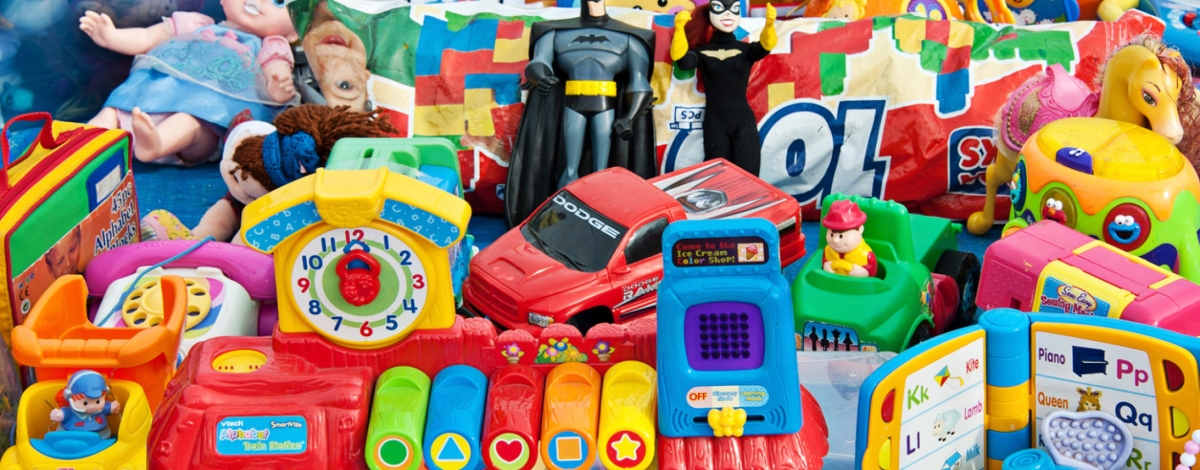
Credit: www.jcfs.org
Appeal Of Loud Sounds
Toddlers are naturally curious about the world around them. Loud sounds catch their attention quickly. These sounds make noisy toys very exciting. Toddlers enjoy exploring new noises and patterns. The strong sound signals help them learn and react. Noisy toys offer fun ways to develop senses and skills.
Sounds that stand out help toddlers stay focused. They feel curious and eager to play more. This attraction to noise supports brain growth and sensory learning. Understanding why toddlers like loud toys shows how important sound is to early development.
Sensory Stimulation
Loud sounds provide strong sensory input. Toddlers use their senses to understand their environment. Noise from toys stimulates hearing and attention. This stimulation helps build connections in their brains. It also helps toddlers recognize cause and effect. The noise makes playtime more exciting and interactive.
Attention-grabbing Effects
Loud noises stand out in a busy world. Toddlers have short attention spans. Noisy toys quickly catch their focus. The sudden sounds pull their eyes and hands to the toy. This effect encourages toddlers to explore and learn. It keeps their interest longer than quiet toys.
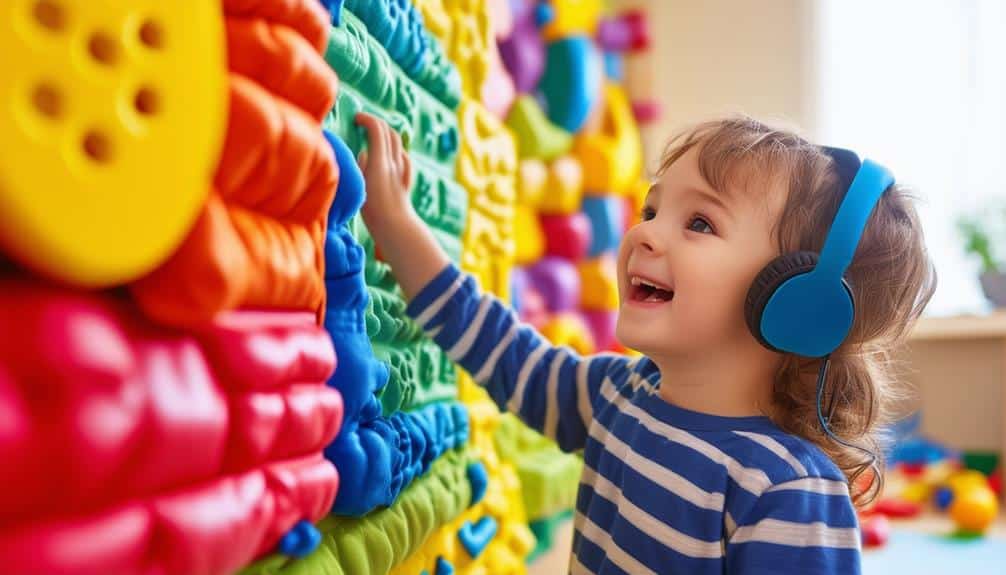
Credit: www.skillpointtherapy.com
Developmental Advantages
Toddlers are naturally drawn to noisy toys. These toys do more than just entertain. They play a key role in early development. Noisy toys help toddlers learn and grow in many ways. They support skills that are important for later learning and daily life.
Enhancing Auditory Skills
Noisy toys help toddlers improve their hearing. Sounds grab their attention and make them listen closely. This practice trains their brain to recognize different noises. They learn to tell apart sounds like music, voices, and other everyday noises. This skill is important for talking and understanding speech.
Playing with noisy toys also helps toddlers focus on sounds. It sharpens their ability to remember what they hear. These early listening skills build a strong foundation for learning language.
Boosting Motor Coordination
Noisy toys encourage toddlers to move their hands and fingers. Pressing buttons or shaking toys makes sounds. This action links movement with hearing. Toddlers learn cause and effect by making noise with their actions.
These movements improve hand-eye coordination and fine motor skills. Grasping and shaking toys strengthen small muscles. Better motor skills help toddlers with tasks like writing and dressing later on.
Emotional And Social Impact
Toddlers often enjoy noisy toys because these toys affect their feelings and how they relate to others. Sounds grab their attention and make them feel happy and curious. These toys help toddlers learn about the world and connect with people around them. Understanding this emotional and social impact explains why noisy toys are so popular among young children.
Encouraging Exploration
Noisy toys invite toddlers to explore their surroundings. The sounds motivate them to touch, push, or shake the toy. This active play helps toddlers learn cause and effect. They discover that their actions can create noise. This discovery builds confidence and curiosity. It also helps develop their senses and thinking skills.
Fostering Interaction
Noisy toys encourage toddlers to engage with others. Parents and caregivers often join in the fun. They talk, laugh, and play together. This shared play strengthens emotional bonds. Toddlers learn social skills like turn-taking and communication. The sounds from the toys make social moments more exciting and memorable.

Credit: www.amazon.com
Choosing Safe Noisy Toys
Choosing noisy toys for toddlers involves more than fun sounds. Safety must come first. Parents need to pick toys that keep children safe while they explore noise and play. This helps avoid accidents and keeps playtime enjoyable.
Material Considerations
Choose toys made from non-toxic materials. Soft plastics or wood with smooth edges work well. Avoid toys with small parts that can break off. Check for labels that say “BPA-free” or “phthalate-free.” These are safer for toddlers. Durable materials last longer and resist damage from rough play.
Volume Control Tips
Look for noisy toys with adjustable sound levels. Loud sounds can hurt a toddler’s ears. Toys with volume control help manage noise. You can lower the sound during indoor play. Some toys have automatic shut-off after a time. This prevents continuous loud noise and protects hearing.
Balancing Noise And Quiet
Toddlers love noisy toys because they catch their attention and make playtime fun. But too much noise can be overwhelming for both kids and parents. Balancing noisy play with quiet moments helps maintain a calm and happy environment.
This balance supports a toddler’s learning and emotional growth. It also gives parents a chance to rest and recharge. Finding the right mix is key to healthy playtime.
Setting Playtime Limits
Set clear limits on noisy toy use. For example, allow noisy toys only during specific times. This helps toddlers understand when loud play is okay. Limits prevent overstimulation and keep noise levels manageable.
Use timers or gentle reminders to signal when noisy play ends. Toddlers feel safe with consistent routines. They learn to enjoy both noisy and quiet moments.
Incorporating Calm Activities
Include quiet activities between noisy play sessions. Reading books, drawing, or puzzles work well. These calm activities balance excitement with relaxation.
Quiet time helps toddlers focus and calm their minds. It also improves listening skills and patience. Mixing noisy toys with calm play creates a healthy routine for toddlers and parents.
Frequently Asked Questions
Why Do Toddlers Prefer Noisy Toys Over Silent Ones?
Toddlers are drawn to noisy toys because sounds stimulate their hearing. Noise also captures their attention and encourages exploration. Loud toys provide sensory feedback that helps toddlers learn cause and effect. These toys support early development and keep toddlers engaged longer.
How Do Noisy Toys Benefit Toddler Development?
Noisy toys promote cognitive growth by improving auditory skills and attention span. They encourage motor skills as toddlers press buttons or shake toys to create sounds. These toys also foster curiosity and problem-solving by helping toddlers understand action and reaction relationships.
Are Noisy Toys Safe For Toddlers?
Most noisy toys are designed with toddler safety in mind, using non-toxic materials and secure batteries. However, parents should check volume levels to prevent hearing damage. Always supervise toddlers during play and ensure toys meet safety standards for age-appropriateness.
Can Noisy Toys Help With Toddler Communication Skills?
Yes, noisy toys can boost communication by encouraging toddlers to imitate sounds and express themselves. These toys often introduce rhythms, words, or animal noises, aiding language development. Interactive noisy toys also promote social interaction and listening skills.
Conclusion
Noisy toys catch toddlers’ attention quickly. They help children learn about sounds and cause-effect. Toddlers enjoy exploring new noises and rhythms. These toys also encourage movement and play. Parents should choose safe, age-appropriate noisy toys. Watching toddlers play can be fun and rewarding.
Noise sparks curiosity and supports early development. Toddlers grow by exploring their world actively. Noisy toys are simple tools for joyful learning.
