
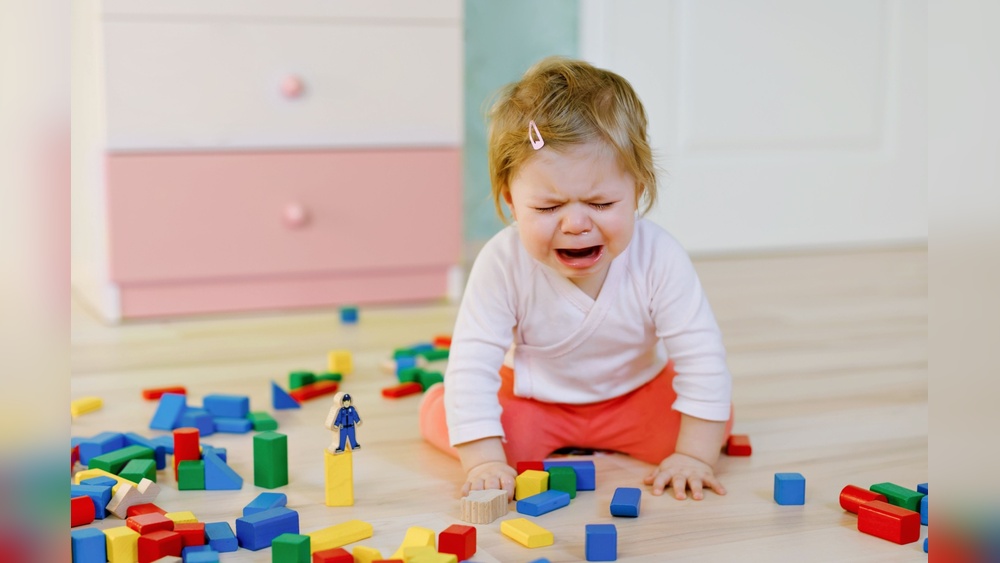
Have you ever noticed your toddler throwing a toy down in frustration? It can be puzzling and even a little upsetting to see your little one upset over something meant to bring joy.
You might wonder why a simple toy can cause such big feelings. Understanding why toddlers get frustrated with toys can help you support your child better and turn those tough moments into chances for growth and fun. Keep reading to discover the surprising reasons behind this common behavior and how you can make playtime smoother for both you and your toddler.
Toddler Development And Toy Interaction
Toddler development plays a big role in how children interact with toys. Toddlers explore the world through play. Toys help them learn new skills and understand their feelings.
Sometimes, toddlers get frustrated with toys. This frustration links to their growing minds and bodies. Understanding these reasons helps parents support toddlers better.
Cognitive Growth Stages
Toddlers think differently as they grow. Their brains work hard to understand cause and effect. Toys that seem simple to adults can confuse toddlers. They try to figure out how things work but need time to learn.
Some toys require problem-solving skills toddlers have not yet developed. This gap causes frustration. Toddlers may feel upset when they cannot complete a task or get the toy to work.
Motor Skill Challenges
Fine and gross motor skills develop slowly. Toddlers may struggle to grasp small pieces or press buttons. Their hands and fingers are still learning to move precisely.
Toys that need strong or delicate movements can be hard to use. This difficulty causes frustration because toddlers want to play but cannot control their movements well.
Emotional Regulation In Toddlers
Toddlers are learning to manage big emotions. They feel excitement, anger, or disappointment strongly. Toys can trigger these feelings, especially if play does not go as expected.
Without full control over emotions, toddlers may cry or throw tantrums. Frustration with toys often shows through these reactions. They need patience and support to calm down and try again.

Credit: sprout-kids.com
Common Causes Of Toy Frustration
Toddlers often feel upset when playing with toys. Understanding why helps parents and caregivers support children better. Several common causes lead to toy frustration. These reasons explain why a fun activity can turn into a struggle for little ones.
Complexity Beyond Skill Level
Some toys are too hard for toddlers to use. Their skills may not match the toy’s demands. Puzzles with many pieces or toys with small buttons confuse them. This gap causes frustration and can make playtime stressful.
Limited Attention Span
Toddlers have short attention spans. They lose interest quickly if a toy takes too long to figure out. If a toy does not provide quick rewards or fun, toddlers may get bored or upset. Their minds want fast and simple play.
Unmet Expectations
Toddlers expect toys to work a certain way. When toys do not behave as they imagine, disappointment follows. A toy that does not move or make sounds as expected can cause frustration. Their ideas often do not match reality yet.
Behavioral Signs Of Frustration
Toddlers often show clear signs when they feel frustrated with toys. These behaviors help adults understand their emotions. Recognizing these signs is important for guiding toddlers through their feelings. The following are common ways toddlers express frustration.
Crying And Tantrums
Crying is one of the first ways toddlers show frustration. It is a natural response to feeling stuck or confused. Tantrums can follow, with loud screams or flailing arms. These outbursts happen when toddlers cannot express their needs with words. They want to get attention or change the situation quickly.
Avoidance And Disinterest
Some toddlers stop playing with a toy when frustrated. They may push it away or walk off. Avoidance shows they feel overwhelmed or bored. This behavior signals that the toy is too hard or not fun anymore. It helps adults notice when a break is needed.
Aggressive Reactions
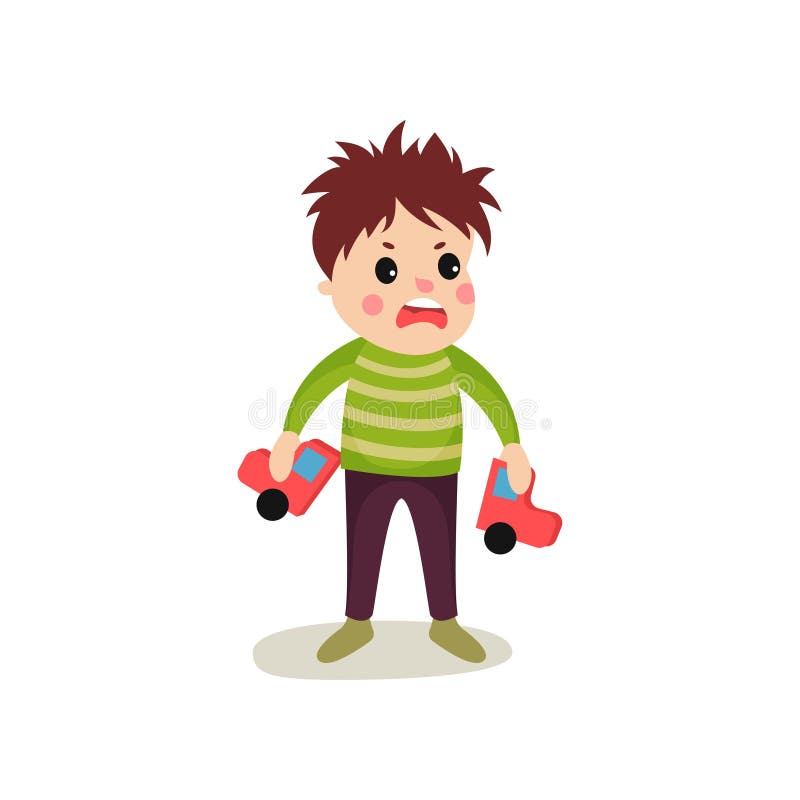
Frustration sometimes leads toddlers to hit, throw, or break toys. These reactions show anger and confusion. Toddlers have limited ways to handle strong feelings. Aggression can be a way to release tension or try to control the toy. Understanding this helps adults respond calmly and kindly.
Credit: herviewfromhome.com
Role Of Parents And Caregivers
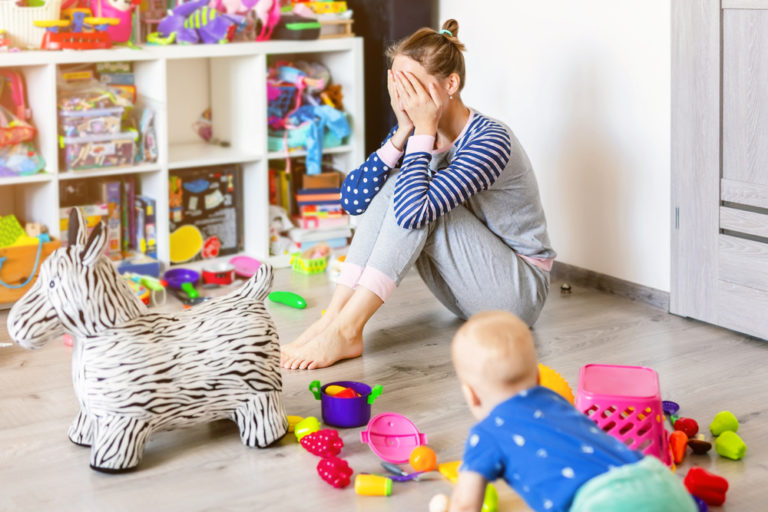
Parents and caregivers have a big role in how toddlers feel about toys. They guide children through play, helping them learn and grow. Toddlers often get frustrated when toys are too hard or confusing. Adults can make playtime fun and less stressful. Their support helps toddlers enjoy toys and build skills.
Choosing Age-appropriate Toys
Select toys that match your toddler’s age and abilities. Toys that are too complex can cause frustration. Simple shapes, bright colors, and easy functions work best. Age-appropriate toys keep toddlers interested and confident. They feel success, not stress, during play.
Encouraging Patience And Persistence
Teach toddlers to try again when toys are tricky. Show that mistakes are part of learning. Praise efforts, not just results, to build patience. Let them explore at their own pace. This helps toddlers keep trying and avoid giving up.
Offering Support Without Taking Over
Be nearby to help, but do not do the task for them. Give hints or ask questions instead of fixing problems. This encourages independence and problem-solving. Toddlers feel proud when they figure things out alone. Support builds their confidence and reduces frustration.
Strategies To Reduce Toy-related Frustration
Toddlers often feel upset when toys seem too hard to use. Parents and caregivers can help by using simple strategies. These methods make playtime fun and less frustrating. Toddlers learn better with clear steps and gentle guidance. The right approach can turn frustration into joy and growth.
Breaking Tasks Into Smaller Steps
Big tasks can confuse toddlers. Breaking toys’ use into small parts helps. Show one step at a time. Let the child try each step slowly. Celebrate small wins. This way, toddlers stay motivated and less upset.
Setting Realistic Play Goals
Toddlers need goals that fit their skills. Expecting too much causes frustration. Choose simple goals for each play session. Goals like stacking two blocks or fitting one shape work well. Achieving small goals builds confidence and joy.
Incorporating Playtime Routine
Routines create a safe, calm space for toddlers. Play at the same time daily. Use similar toys or activities. This helps toddlers know what to expect. Routine lowers stress and makes learning easier.
Credit: www.dreamstime.com
When To Seek Professional Advice
Sometimes, toddlers get frustrated with toys more than usual. This frustration can be a sign that they need extra help. Knowing when to seek professional advice is important for their growth and happiness.
Early support can make a big difference in how toddlers learn and play. Parents should watch for clear signs that show a child struggles beyond normal frustration. Professionals can guide families to the right help and resources.
Signs Of Developmental Delays
Watch if your toddler avoids playing or exploring new toys. Notice if they do not reach simple milestones like stacking blocks or pointing to objects. Delays in speech, movement, or social skills also matter. These signs suggest a need for evaluation by a specialist.
Excessive Or Prolonged Frustration
Most toddlers get upset sometimes. But long tantrums over toys can be a concern. If frustration lasts more than usual or happens daily, it might indicate a problem. Difficulty calming down or severe anger over simple tasks needs professional attention.
Support Resources For Families
Many resources exist to help families with toddler frustrations. Therapists, pediatricians, and early childhood programs provide guidance. Support groups connect parents facing similar challenges. These resources offer advice, tools, and comfort for families.
Frequently Asked Questions
Why Do Toddlers Get Frustrated With Toys Often?
Toddlers get frustrated when toys are too complex or don’t work as expected. They struggle with fine motor skills and problem-solving. This leads to impatience and frustration during play.
How Does Frustration Affect Toddler Development?
Frustration helps toddlers build emotional regulation and problem-solving skills. It encourages them to try new approaches and develop patience, crucial for their growth and learning.
Which Toys Cause Most Toddler Frustration?
Toys with small parts, complicated mechanisms, or unclear instructions often frustrate toddlers. Age-inappropriate toys can overwhelm them, leading to stress rather than fun.
How Can Parents Reduce Toddler Toy Frustration?
Parents should choose age-appropriate, simple toys and offer guidance during play. Encouraging patience and praising effort helps toddlers manage frustration positively.
Conclusion
Toddlers get frustrated with toys because they want to explore and learn. Sometimes toys are too hard to use or don’t work as expected. This makes them feel upset or confused. Understanding this helps parents choose better toys and support their child.
Patience and simple guidance can turn frustration into fun. Toys should match a toddler’s skills and interests. This helps them feel confident and happy while playing. Remember, frustration is a normal part of learning and growing. It shows toddlers are trying to understand the world around them.
