
Have you ever noticed how your toddler’s eyes light up when they play with a toy that moves, spins, or clicks? There’s something about toys with moving parts that grabs their attention like nothing else.
But why is that? Understanding what makes these toys so captivating can help you choose the best ones to support your child’s growth and keep them happily engaged. Keep reading, and you’ll discover the surprising reasons behind this fascination—and how you can use it to boost your toddler’s learning and fun.
Credit: www.walmart.com
Appeal Of Movement
Toddlers love toys that move. Movement catches their eyes and keeps their attention. Toys with moving parts invite children to explore and interact. These toys offer more than just fun. They help toddlers learn about the world.
Attraction To Motion
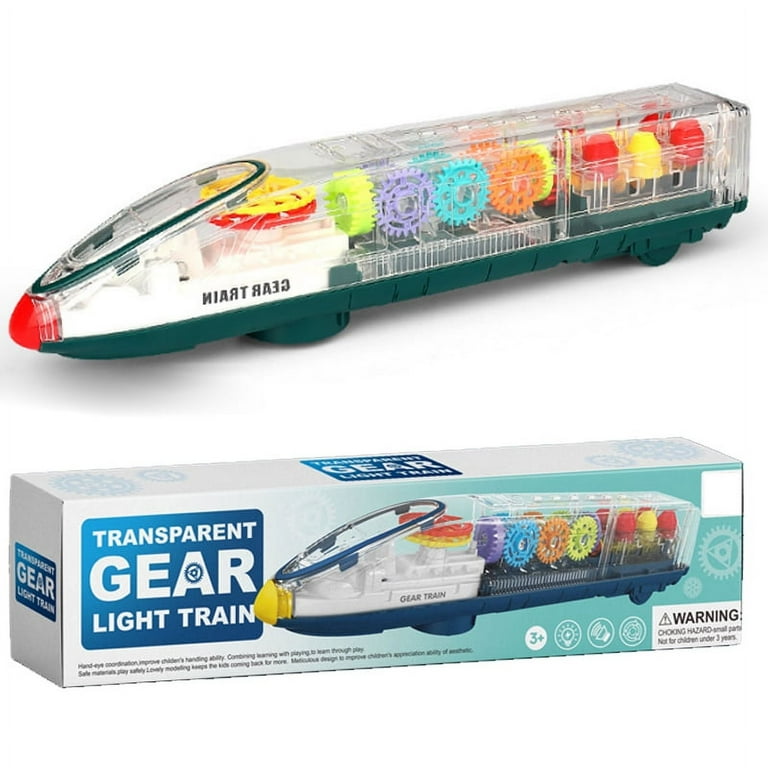
Moving objects naturally draw a toddler’s gaze. The changing shapes and colors create curiosity. Toddlers watch closely to see what happens next. This attraction to motion encourages focus and patience. It also helps develop tracking skills. Watching moving parts builds early attention span.
Sensory Stimulation
Movement provides rich sensory input for toddlers. It stimulates their eyes and hands. Feeling parts spin or slide helps fine motor skills. Hearing sounds from moving parts adds to sensory experience. This multi-sensory play supports brain development. Toddlers learn cause and effect through action and reaction.
Developmental Benefits
Toys with moving parts help toddlers grow in many ways. These toys catch their attention and encourage them to explore. Playing with moving parts supports important skills that young children need.
These toys are not just fun. They also help toddlers learn how to control their bodies and think better. Watching and touching moving parts helps their brain and body work together. This kind of play is very important for early growth.
Enhancing Motor Skills
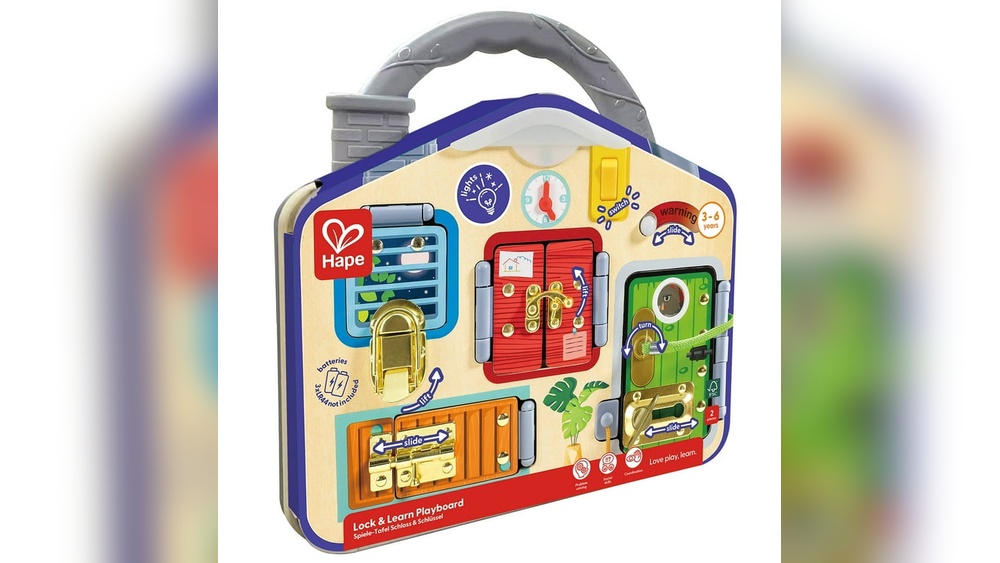
Toddlers use their hands and fingers to move toy parts. This practice builds fine motor skills. Turning knobs, pushing buttons, and sliding pieces improve hand strength and coordination. These skills help with everyday tasks like eating and dressing.
Manipulating moving parts also improves hand-eye coordination. Toddlers learn to watch and control their movements carefully. This skill is key for writing and sports later on.
Boosting Cognitive Growth
Toys with moving parts spark curiosity and problem-solving. Toddlers learn cause and effect by seeing how their actions change the toy. This helps their thinking and understanding of the world.
Exploring these toys also supports memory and attention. Toddlers focus on how the parts move and remember how to make them work again. This builds stronger brain connections for learning.
Cause And Effect Learning
Toddlers love toys with moving parts because they teach cause and effect. This type of learning helps children understand how their actions change things. It builds their thinking skills and curiosity. Through play, toddlers discover the connection between what they do and what happens next.
Understanding Actions And Outcomes
Toys with moving parts show clear results from simple actions. When a toddler pushes a button, a toy might spin or make sounds. This reaction helps them see the link between cause and effect. It teaches them that their actions have power. This understanding supports early problem-solving skills and decision-making.
Encouraging Exploration
Moving toys invite toddlers to try different actions. They push, pull, twist, and watch what happens. This hands-on play encourages curiosity and learning. Toddlers feel motivated to explore new ways to interact. Exploration builds confidence and helps them learn about the world around them.

Credit: www.amazon.com
Imaginative Play
Toddlers love toys with moving parts because these toys spark their imagination. Moving parts help children create stories and explore new ideas. Imaginative play grows with toys that move. It lets toddlers act out different scenes and roles. This type of play builds creativity and thinking skills. They learn about cause and effect while having fun.
Storytelling Through Toys
Toys with moving parts make stories come alive. Toddlers move pieces to act out events. They imagine characters and adventures. Each movement adds a new detail to the story. This hands-on play helps them understand stories better. It also improves their language skills. They practice talking about what happens next. Storytelling with toys is a natural way to learn.
Role-playing Opportunities
Moving toys let toddlers pretend to be someone else. They play roles like drivers, builders, or animals. Moving parts make the play more real. Toddlers explore feelings and actions through role-play. They practice social skills and problem-solving. Role-playing helps them understand the world around them. Toys with moving parts open many doors for pretend play.
Emotional Engagement
Toddlers love toys with moving parts because these toys connect with their feelings. Such toys make children feel happy and involved. They spark curiosity and keep toddlers interested for longer times. Moving parts create an exciting experience that helps toddlers express emotions. This emotional connection encourages them to play more and learn new skills.
Sense Of Achievement
Toddlers feel proud when they move parts on a toy by themselves. This small success gives them joy and satisfaction. Achieving a goal, like turning a wheel or opening a door, makes toddlers feel smart. It shows them they can control their world. This sense of achievement pushes them to try new things and explore more.
Building Confidence
Playing with moving toys helps toddlers build confidence. Each time they succeed, their self-belief grows. Confident toddlers are more willing to face challenges. They become less afraid of trying unfamiliar activities. This positive feeling helps toddlers develop a strong mind and happy spirit.

Credit: www.amazon.com
Design Features That Attract
Toddlers are naturally curious about the world around them. Toys with moving parts capture their attention quickly. These toys often have special design features that make them even more appealing. Understanding these features helps explain why toddlers enjoy these toys so much.
Design features that attract toddlers focus on stimulating their senses. Bright colors, interesting textures, sounds, and lights all play a role. These elements make the toy fun and help toddlers learn through play.
Bright Colors And Textures
Toddlers see bright colors more clearly than dull ones. Toys with red, blue, yellow, and green grab their eyes fast. Colors help toddlers recognize and remember objects.
Textures also attract toddlers. Soft, bumpy, or smooth surfaces invite touch. Moving parts with different textures encourage exploration. Toddlers like to feel and move toys in many ways.
Sound And Light Effects
Sounds add excitement to toys. Clicking, buzzing, or musical noises surprise toddlers. These sounds reward their actions, like pushing a button.
Lights catch attention and make playtime lively. Flashing lights or gentle glows keep toddlers interested. Combining sound and light creates a fun, interactive experience.
Safe Play Considerations
Toys with moving parts can be fun and exciting for toddlers. They help children learn cause and effect, improve motor skills, and spark curiosity. Safety matters most when toddlers play with these toys. Parents and caregivers must choose toys carefully and watch over playtime closely.
Choosing Age-appropriate Toys
Select toys that fit your toddler’s age and skill level. Check the label for age recommendations. Toys with small parts can be choking hazards for young children. Moving parts should be easy to handle and not sharp or heavy. Look for sturdy materials that won’t break easily. Simple mechanisms work best for toddlers just learning to explore.
Supervision Tips
Always watch toddlers while they play with moving toys. Stay close to help if parts get stuck or cause frustration. Keep play areas clear of small objects that could be swallowed. Teach children how to use toys gently. Stop play if a toy breaks or shows signs of damage. Supervision keeps playtime safe and enjoyable.
Frequently Asked Questions
Why Do Toddlers Prefer Toys With Moving Parts?
Toddlers enjoy moving parts because they stimulate curiosity and encourage exploration. These toys help develop motor skills and hand-eye coordination, making playtime engaging and educational.
How Do Moving Parts Aid Toddler Development?
Moving parts promote fine motor skills and problem-solving. They challenge toddlers to manipulate objects, enhancing cognitive abilities and fostering creativity during play.
Are Toys With Moving Parts Safe For Toddlers?
Yes, if designed for toddlers, these toys meet safety standards. Parents should choose age-appropriate toys without small detachable parts to prevent choking hazards.
What Types Of Moving Parts Attract Toddlers Most?
Toddlers are drawn to wheels, buttons, levers, and spinning elements. These features provide interactive fun and help toddlers understand cause and effect.
Conclusion
Toddlers love toys with moving parts because they are fun and exciting. These toys help children learn how things work. Watching parts move keeps their attention and curiosity strong. Moving parts also improve hand-eye coordination and fine motor skills. Such toys encourage exploration and creativity every time.
Giving toddlers these toys supports their growth and joy. Simple movements spark big smiles and learning moments. Toys with moving parts truly make playtime special and meaningful.
