
Have you ever wondered why your toddler is instantly drawn to those noisy toys, even when quieter options are right in front of them? It’s not just about the sound—there’s something deeper happening in your child’s mind.
Understanding why toddlers love noisy toys can help you choose the best playthings that support their growth and keep them happily engaged. Keep reading to discover the surprising reasons behind your little one’s fascination with noise and how it benefits their development.
Credit: www.walmart.com
Appeal Of Loud Sounds
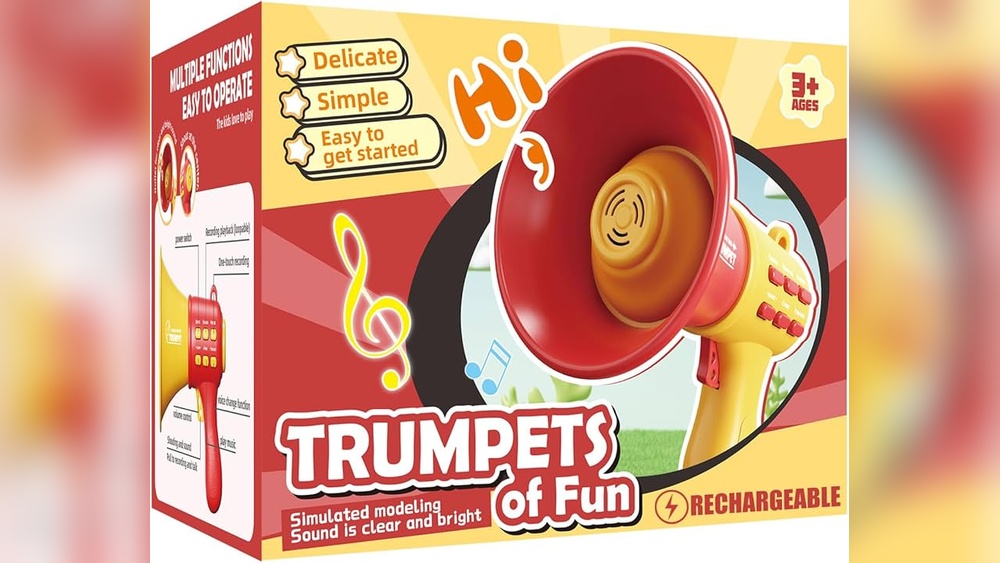
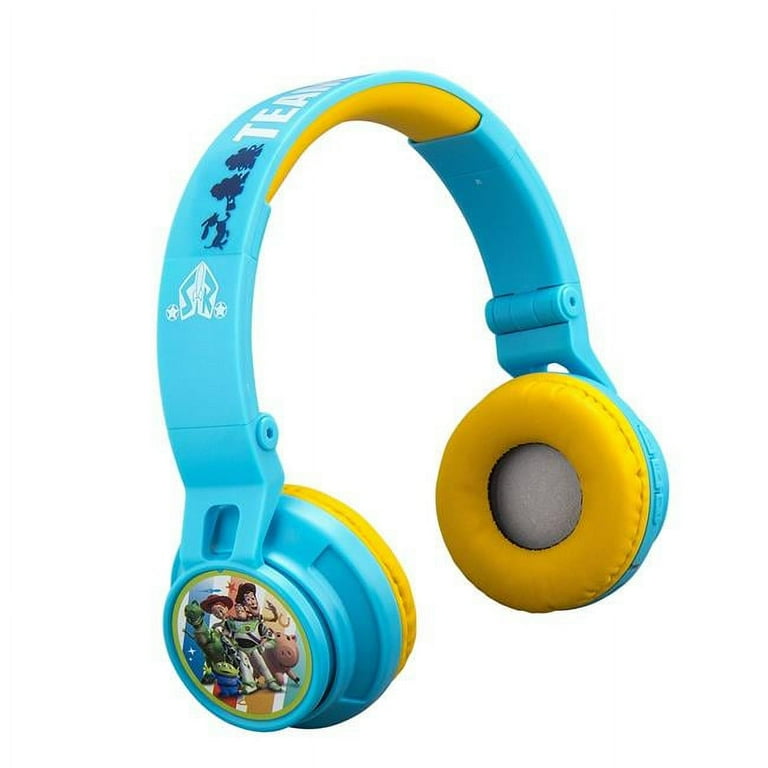
Toddlers are naturally drawn to toys that make loud noises. These sounds catch their attention and keep them interested. Loud toys help children explore their world through hearing. They create a fun and exciting playtime experience.
The appeal of loud sounds goes beyond just noise. It connects to how toddlers learn and react. Each noisy toy offers a chance for discovery and joy.
Sensory Stimulation
Loud sounds provide strong sensory input for toddlers. Their brains are developing quickly and need new experiences. Noise helps activate their hearing senses. This stimulation supports brain growth and learning. Noisy toys offer different tones and rhythms to explore. Toddlers enjoy feeling these sounds inside their ears.
Attention Grabbing
Loud noises easily capture toddlers’ attention. Quiet toys might not hold interest for long. Noisy toys stand out in a busy environment. The sudden or repeated sounds make toddlers look and listen. This focus helps them stay engaged with play. Attention to sounds builds important listening skills.
Emotional Responses
Noise can create strong feelings in toddlers. Some sounds bring happiness or excitement. Others may surprise or amuse children. These emotions make playtime more enjoyable. Toddlers learn to connect sounds with feelings. Noisy toys become tools for emotional expression.

Credit: www.amazon.com
Developmental Benefits
Noisy toys offer more than just fun sounds. They play a key role in a toddler’s growth. These toys help develop important skills that build a strong foundation for learning. Toddlers enjoy the noise because it connects to their natural curiosity and need to explore.
Each sound and action sparks their senses. This interaction boosts their brain and body development. Let’s explore the main benefits noisy toys bring to toddlers’ growth.
Enhancing Motor Skills
Noisy toys encourage toddlers to move their hands and fingers. Pressing buttons or shaking toys helps improve hand-eye coordination. These small movements build fine motor skills. Toddlers learn to control their muscles better. This skill is important for tasks like writing and dressing.
Encouraging Exploration
Sounds invite toddlers to explore their toys more. They learn cause and effect by hearing noises after actions. This curiosity drives them to try new things. Exploring different sounds teaches problem-solving. Toddlers gain confidence as they discover how toys work.
Boosting Cognitive Growth
Noisy toys stimulate a toddler’s brain. Listening to sounds helps with memory and attention. They start recognizing patterns and sequences in noises. This helps develop early language skills too. Cognitive growth supports thinking, learning, and understanding.
Social Interaction
Social interaction plays a big role in why toddlers love noisy toys. These toys help kids connect with friends and family. Making sounds together makes playtime lively and fun. Noisy toys invite toddlers to join others and share moments.
Sharing And Playing Together
Noisy toys encourage toddlers to share with others. Children pass toys back and forth. They learn to wait their turn and cooperate. Playing together builds teamwork skills early. These moments create happy memories and trust.
Communication Through Sound
Sound is an easy way for toddlers to express themselves. Noisy toys give kids a voice without words. They use sounds to show excitement or curiosity. Toddlers also listen to friends’ sounds and respond. This back-and-forth helps them learn to communicate.
Building Relationships
Noisy toys help toddlers form bonds with others. Sharing sounds creates a special connection. Kids feel closer when they play and laugh together. These interactions teach kindness and empathy. Strong relationships grow from simple play moments.
Common Noisy Toy Types
Toddlers love toys that make sounds. These noisy toys catch their attention and keep them busy. Many types of noisy toys exist. Each type offers a different way to explore sounds and play.
Here are some common noisy toy types that toddlers enjoy.
Musical Instruments
Musical instruments like drums, xylophones, and maracas are very popular. Toddlers enjoy hitting, shaking, and tapping to create different sounds. These toys help develop rhythm and coordination. They also encourage creativity and listening skills.
Interactive Sound Toys
Interactive sound toys respond when touched or pressed. Toys with buttons that make animal sounds or play short songs fit here. These toys teach cause and effect. Toddlers learn that their actions create noises. It makes playtime fun and educational.
Activity Centers
Activity centers combine many noisy elements in one toy. They often include buttons, levers, and spinners that produce sounds. Toddlers can explore different noises in one place. Activity centers support fine motor skills and keep toddlers engaged longer.
Balancing Noise And Calm
Balancing noise and calm is important for toddlers. Noisy toys bring joy and learning. But too much noise can cause stress. Finding the right balance helps children feel happy and safe. Parents must watch their toddler’s reactions carefully. This ensures playtime stays fun and peaceful.
Managing Overstimulation
Toddlers can get overwhelmed by loud sounds and bright lights. Signs include fussiness and covering their ears. Quiet breaks help calm their senses. Offer a soft toy or a calm corner. This helps toddlers relax and reset their mood.
Creating Quiet Time
Quiet time is as important as playtime. It helps toddlers rest and recharge. Gentle music or soft reading can soothe them. Set regular quiet moments during the day. This builds a healthy rhythm for energy and calm.
Choosing Appropriate Toys
Select toys with adjustable volume or simple sounds. Toys with different textures engage more senses. Avoid toys that are too loud or constant. Balance noisy toys with silent or soft ones. This supports healthy play and development.

Credit: www.lovebyemi.com
Frequently Asked Questions
Why Do Toddlers Love Noisy Toys So Much?
Toddlers enjoy noisy toys because they stimulate their senses. Sounds capture their attention and encourage exploration. These toys support early learning by developing auditory skills and cause-and-effect understanding. The noise also adds excitement, making playtime more engaging and fun for toddlers.
How Do Noisy Toys Benefit Toddler Development?
Noisy toys enhance toddlers’ cognitive and motor skills. They promote auditory discrimination, hand-eye coordination, and cause-and-effect learning. These toys also support language development by encouraging sound recognition. Overall, they provide valuable sensory stimulation crucial for early brain growth.
Are Noisy Toys Safe For Toddlers To Play With?
Yes, noisy toys are safe if they meet safety standards. Always choose age-appropriate toys with no small parts or sharp edges. Look for non-toxic materials and volume controls to protect toddlers’ sensitive hearing. Supervised play ensures a safe and enjoyable experience.
Can Noisy Toys Help Improve Toddler Communication?
Noisy toys encourage toddlers to mimic sounds, boosting speech skills. They help children associate sounds with objects and actions. This interactive play supports vocabulary growth and communication confidence. Consistent engagement with noisy toys promotes early language development.
Conclusion
Noisy toys catch toddlers’ attention and make playtime fun. Sounds help them learn cause and effect. Toddlers explore their world by making noise. These toys support their growing senses and curiosity. Parents can encourage safe, creative play with noisy toys.
Every sound sparks joy and discovery for little ones. Choosing the right noisy toy helps toddlers develop skills. Play is how toddlers understand and enjoy their environment. Noise and movement together keep toddlers engaged and happy.
