
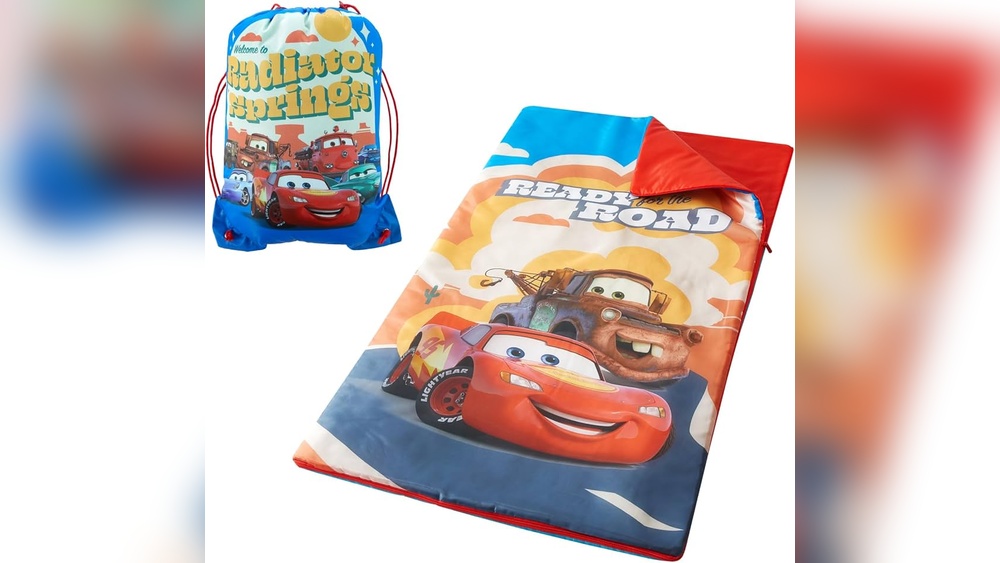
Have you ever wondered why your toddler insists on carrying a favorite toy to bed every night? It might seem like a small habit, but there’s a powerful reason behind it.
That little toy is more than just a plaything—it’s a source of comfort, security, and calm for your child. Understanding why your toddler clings to their toy at sleep time can help you support their emotional needs and create a peaceful bedtime routine.
Keep reading to discover the surprising reasons behind this behavior and how it benefits your little one’s sleep and growth.

Credit: dcs.az.gov
Reasons Toddlers Carry Toys To Bed
Toddlers often carry toys to bed for many important reasons. These toys are not just playthings. They help toddlers feel safe, calm, and confident. Understanding why toddlers hold onto toys during sleep helps parents support their child’s emotional needs better.
Seeking Security And Familiarity
Toddlers find comfort in familiar objects. Toys remind them of home and love. Holding a toy creates a sense of safety. It makes bedtime less scary. The toy becomes a small friend in the dark.
Soothing Anxiety And Fear
Sleep can bring worries for toddlers. Toys help ease these fears. They offer a distraction from scary thoughts. Hugging a toy can lower stress. This comfort helps toddlers relax and fall asleep.
Developing Independence
Carrying toys shows growing independence. Toddlers make choices about what they need. Holding a toy to bed gives control. It helps them feel strong and capable. This small act builds confidence at bedtime.
Types Of Comfort Objects Toddlers Prefer
Toddlers often hold onto comfort objects during sleep time. These items help them feel safe and calm. Different toddlers prefer different types of comfort objects. These choices depend on their personality and needs. Comfort objects create a sense of security in a new or dark environment. They help toddlers relax and fall asleep faster.
Stuffed Animals
Stuffed animals are a favorite comfort object for many toddlers. Soft and cuddly, they provide warmth and companionship. Toddlers often choose animals they like or relate to. Holding a stuffed animal can reduce feelings of loneliness. The texture and shape of these toys make them easy to hold tightly. They often become a toddler’s “best friend” at bedtime.
Blankets And Cloths
Blankets and cloths offer a different kind of comfort. Many toddlers prefer soft, lightweight blankets to snuggle with. Some choose small cloth pieces called “loveys.” These items are easy to carry and fold. The gentle touch of fabric soothes and calms toddlers quickly. Blankets and cloths also provide a warm, cozy feeling during sleep.
Specially Chosen Toys
Some toddlers carry toys that are not typical comfort objects. These toys often have special meaning or memories attached. They might be a favorite car, doll, or action figure. Toddlers find comfort in familiar shapes and colors. These toys help distract from fear or anxiety at bedtime. The choice depends on what makes each child feel safe.
Psychological Benefits Of Comfort Objects
Toddlers often carry toys to bed for comfort. These objects help children feel safe and calm. Comfort objects support young minds during sleep time. They provide more than just a sense of security.
These items play a key role in a child’s emotional and mental growth. They help toddlers handle feelings and develop healthy sleep habits. Comfort objects also build strong emotional bonds. Let’s explore their psychological benefits.
Emotional Regulation
Carrying a toy helps toddlers control strong feelings. It acts as a calming tool during stress or fear. The toy offers a sense of control and stability. This helps reduce anxiety and fear of the dark. Toddlers learn to soothe themselves with their comfort object.
Promoting Better Sleep
Toys create a familiar and cozy environment for sleep. This reduces bedtime resistance and fussiness. The presence of a comfort object signals it is time to rest. It helps toddlers fall asleep faster and stay asleep longer. Sleep quality improves, leading to better mood and energy.
Building Emotional Attachment
Toddlers form strong emotional connections with their toys. These objects become trusted friends during times of change. They help children feel loved and supported. This bond strengthens toddlers’ sense of security. It also encourages healthy emotional development and trust.

Credit: www.kidscreativechaos.com
How Parents Can Support This Habit
Supporting your toddler’s habit of carrying toys during sleep time helps them feel safe. This comfort can ease the transition to bedtime. Parents play a key role in guiding this habit gently and wisely. Simple steps can make a big difference in their sleep quality and emotional comfort.
Choosing The Right Comfort Object
Select a toy that is soft and easy to hold. Avoid toys with small parts that can be a choking hazard. Choose objects that are washable to keep clean. Let your child help pick the toy to build attachment. Comfort objects should be special but safe.
Encouraging Healthy Sleep Routines
Keep a consistent bedtime routine that includes the comfort toy. Use calm activities like reading or soft music before sleep. Praise your child for using the toy and calming down. Avoid screen time close to bedtime to help relaxation. A steady routine signals the brain it is time to rest.
Knowing When To Transition Away
Watch for signs your toddler no longer needs the toy. Some children give up the object naturally as they grow. Gently introduce new ways to feel safe without the toy. Offer extra cuddles or bedtime stories during this change. Be patient; every child moves at their own pace.
Potential Challenges And Solutions
Toddlers often carry toys to bed for comfort. This habit can cause some challenges for parents. Knowing the problems and ways to solve them helps keep bedtime smooth. Here are key issues and practical tips.
Managing Toy Cleanliness
Toys can collect dust and germs easily. Toddlers touch many surfaces during the day. Toys that go to bed with them need regular cleaning. Wash soft toys in warm water once a week. Use a gentle detergent safe for kids. For plastic toys, wipe with a disinfectant wipe. Clean toys keep toddlers healthy and happy.
Handling Attachment Issues
Toddlers may refuse to sleep without their toys. This can cause stress if the toy is lost. Create a special spot for the toy near the bed. Encourage your child to keep it there at night. Offer comfort with hugs or soft words. Slowly teach the child that the toy is always safe. This reduces anxiety and builds trust.
Dealing With Sleep Disruptions
Toys can sometimes disturb sleep. Toddlers may wake up to find their toy missing. Keep extra soft toys nearby as backups. Avoid noisy toys that light up or make sounds. Set a bedtime routine that includes placing toys in the right place. Consistency helps toddlers sleep better and feel secure.
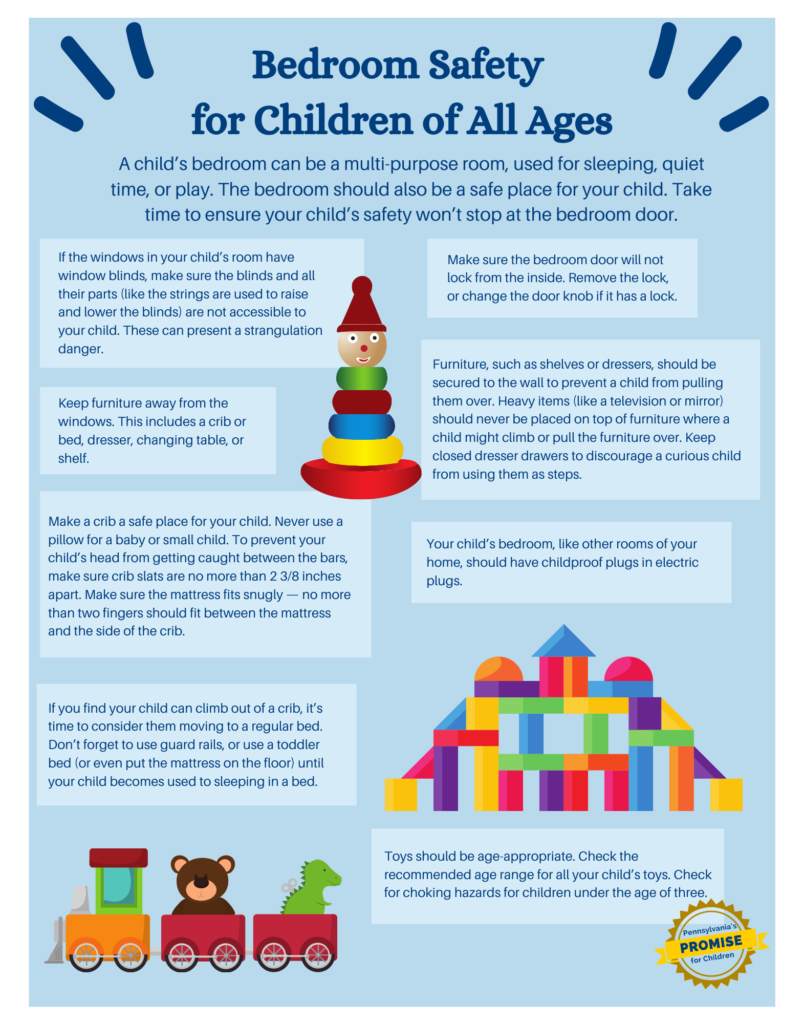
Credit: papromiseforchildren.com
Frequently Asked Questions
Why Do Toddlers Carry Toys To Bed At Night?
Toddlers carry toys to bed for comfort and security. These toys act as transitional objects, easing separation anxiety. They help toddlers feel safe and calm, promoting better sleep. Familiar toys provide emotional support during bedtime routines.
How Do Toys Help Toddlers Feel Safe During Sleep?
Toys offer a sense of familiarity in the dark, reducing fear. They provide emotional reassurance and companionship. This helps toddlers relax and fall asleep faster. Carrying toys can lower stress and improve sleep quality.
Can Carrying Toys Affect Toddler Sleep Habits?
Yes, toys can positively influence sleep habits by easing anxiety. They create a consistent bedtime routine, signaling it’s time to sleep. However, too many toys might cause distractions. Choosing one favorite toy is usually best.
When Should Toddlers Stop Carrying Toys To Bed?
Toddlers typically outgrow this habit between ages 3 and 5. It depends on their emotional development and comfort needs. Parents can gently encourage independence while respecting the child’s feelings. Transitioning away from toys should be gradual.
Conclusion
Toddlers carry toys during sleep for comfort and security. These toys help them feel safe in a new or dark place. Holding a favorite toy can calm fears and reduce stress. It also creates a sense of routine and familiarity.
This habit supports emotional growth and helps toddlers sleep better. Understanding this behavior helps parents support their child’s needs. Every child is different, so be patient and kind. Keep providing love and comfort to make bedtime peaceful.
