
Have you ever noticed how your child suddenly pulls out a toy they haven’t touched in months and plays with it like it’s brand new? It might seem surprising, but there’s a fascinating reason behind this behavior.
Understanding why kids revisit toys after long breaks can help you support their growth and even make playtime more meaningful. Keep reading to discover the simple yet powerful reasons that drive your child’s curiosity back to those forgotten toys—and how you can use this insight to make playtime even more fun and rewarding.
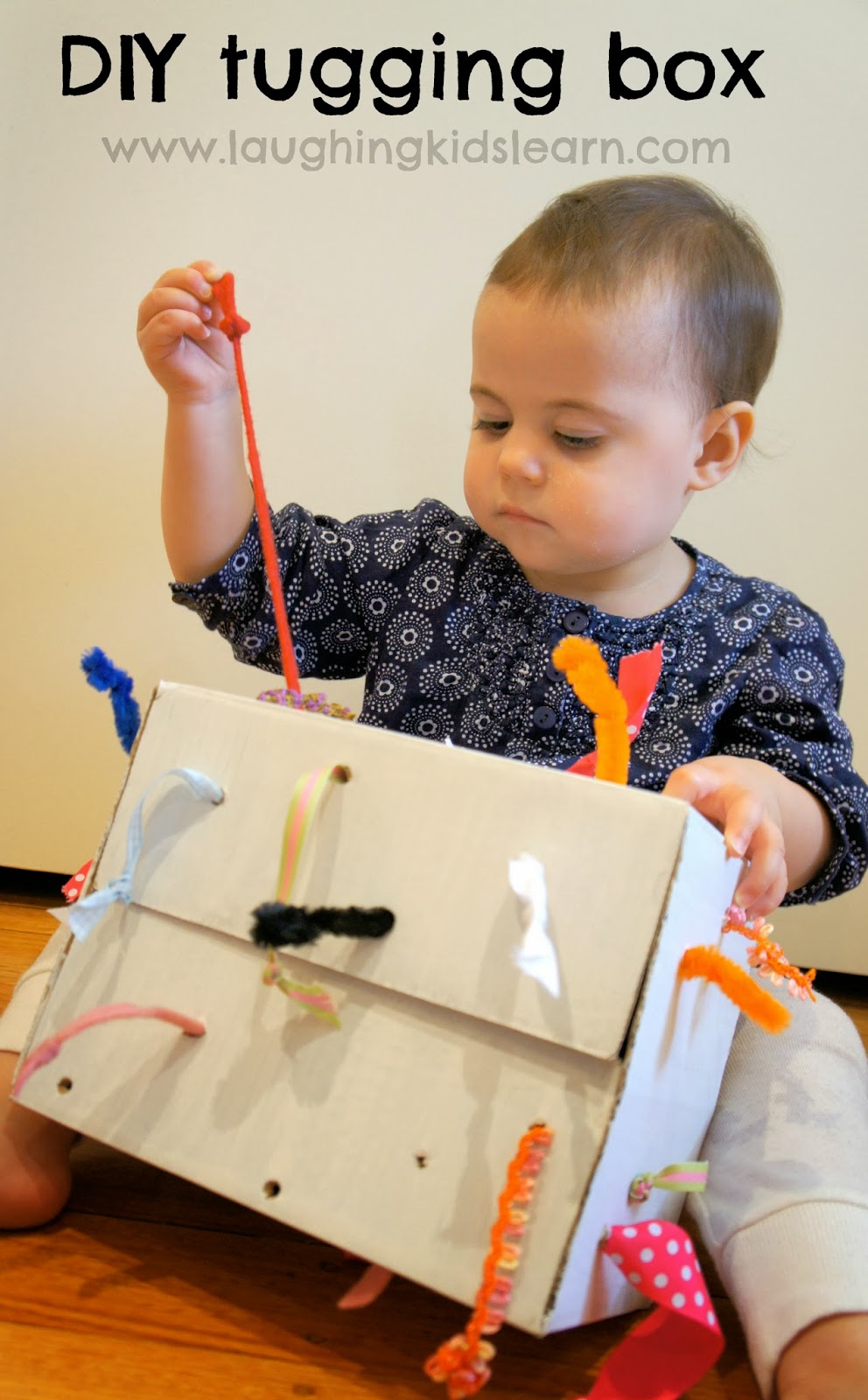
Credit: laughingkidslearn.com
Changing Interests Over Time
Children grow and change fast. Their interests shift as they learn new things. Toys that seemed boring before can become exciting again. This happens because kids see things in new ways over time. Understanding this helps explain why toys get revisited after months.
Shifting Preferences
Kids’ tastes change as they try different activities. A toy ignored before might now fit their new interests. For example, a simple block set may later inspire building castles or cars. Preferences evolve with age and skills. This makes old toys feel fresh and fun again.
New Perspectives
Children’s minds develop, helping them imagine differently. They find new uses for the same toy. A doll can become a friend or a character in a story. This new way of playing brings excitement back. Toys gain new life through creative thinking.
Memory And Nostalgia
Children often return to old toys after months of not playing with them. This happens because of memory and nostalgia. These feelings bring back happy moments tied to the toys. The toys remind kids of fun times and special experiences. This connection makes the toys feel important again. It is a simple way for kids to revisit joy from the past.
Emotional Connections
Toys hold strong emotional value for children. They link to moments of happiness and comfort. A toy can remind a child of a family member or a friend. These memories make the toy feel like a friend too. Emotional ties help explain why kids choose old toys over new ones. The feelings connected to the toy never really fade.
Comfort And Familiarity
Old toys offer comfort through their familiarity. The texture, shape, and smell bring a sense of security. Children find peace in the known and trusted. New toys might feel strange or overwhelming. Returning to a familiar toy helps kids feel safe and calm. This comfort encourages them to pick up the toy again after some time.
Developmental Growth
Children grow and change fast. Their brains and bodies develop in stages. This development explains why kids come back to old toys after months. The toys match their new skills and interests. They see the toy in a new way. It helps them learn and practice what they have just gained.
Developmental growth plays a big role in this. As kids grow, their thinking and movement improve. They use toys differently to fit their new abilities. This keeps the toys fresh and exciting. The same toy can offer new challenges and fun.
Cognitive Advances
Kids’ thinking skills grow steadily. They learn to solve problems and remember better. Toys that seemed simple before can now be puzzles or stories. Children revisit toys to test these new skills. The toy becomes a tool for learning. It helps them understand shapes, colors, and ideas more deeply.
Playing with the same toy sparks curiosity. It encourages thinking about how things work. Children explore and imagine new uses. This mental growth makes old toys feel new again.
Motor Skill Improvement
Children’s movement skills improve as they grow. They gain better control over their hands and fingers. Toys that were once hard to use become easier. Kids try new ways to play with the toy. They build strength and coordination by practicing.
Revisiting old toys helps refine these skills. It supports hand-eye coordination and fine motor control. The toy challenges their growing abilities. This keeps children engaged and motivated.

Credit: www.amazon.com
Imaginative Play Revival
Children often return to toys after months because their imagination grows. Toys become new worlds for creative play. This return shows how kids use toys to tell stories and act out scenes. Imaginative play helps children think deeply and enjoy fun times alone or with friends.
Old toys become fresh again as kids dream up new ideas. They shape stories and create roles to explore feelings and learn social skills. Toys are not just objects but tools for imagination and growth.
Creative Storytelling
Kids use toys to build stories in their minds. Each toy can be a character or a part of a big adventure. This storytelling lets children express thoughts and emotions simply and clearly. They connect ideas and make sense of the world around them. Toys help spark new stories every time they play.
Role-playing Scenarios
Role-playing lets children try different parts in their play. Toys help them act like heroes, parents, or animals. This type of play teaches empathy and problem-solving. Kids learn how to handle real-life situations through pretend roles. Toys become props that make these scenarios believable and fun.
Social Influences
Social influences play a big role in why kids return to old toys. Children watch and learn from people around them. These interactions shape their interests and choices. Toys become more fun when shared with others. Social settings encourage kids to bring back toys they once enjoyed.
Peer Interactions
Friends often inspire children to revisit toys. A simple playdate can remind kids of past favorites. Seeing peers use certain toys sparks curiosity. Kids want to join in group games or activities. Peer approval adds value to the toy experience. Toys become tools for social bonding and fun.
Family Dynamics
Family members also influence toy choices. Parents and siblings may encourage play with specific toys. Shared memories with family make toys special again. Family gatherings often bring out old toys for play. Emotional connections tied to family boost toy interest. These moments revive a child’s love for certain toys.
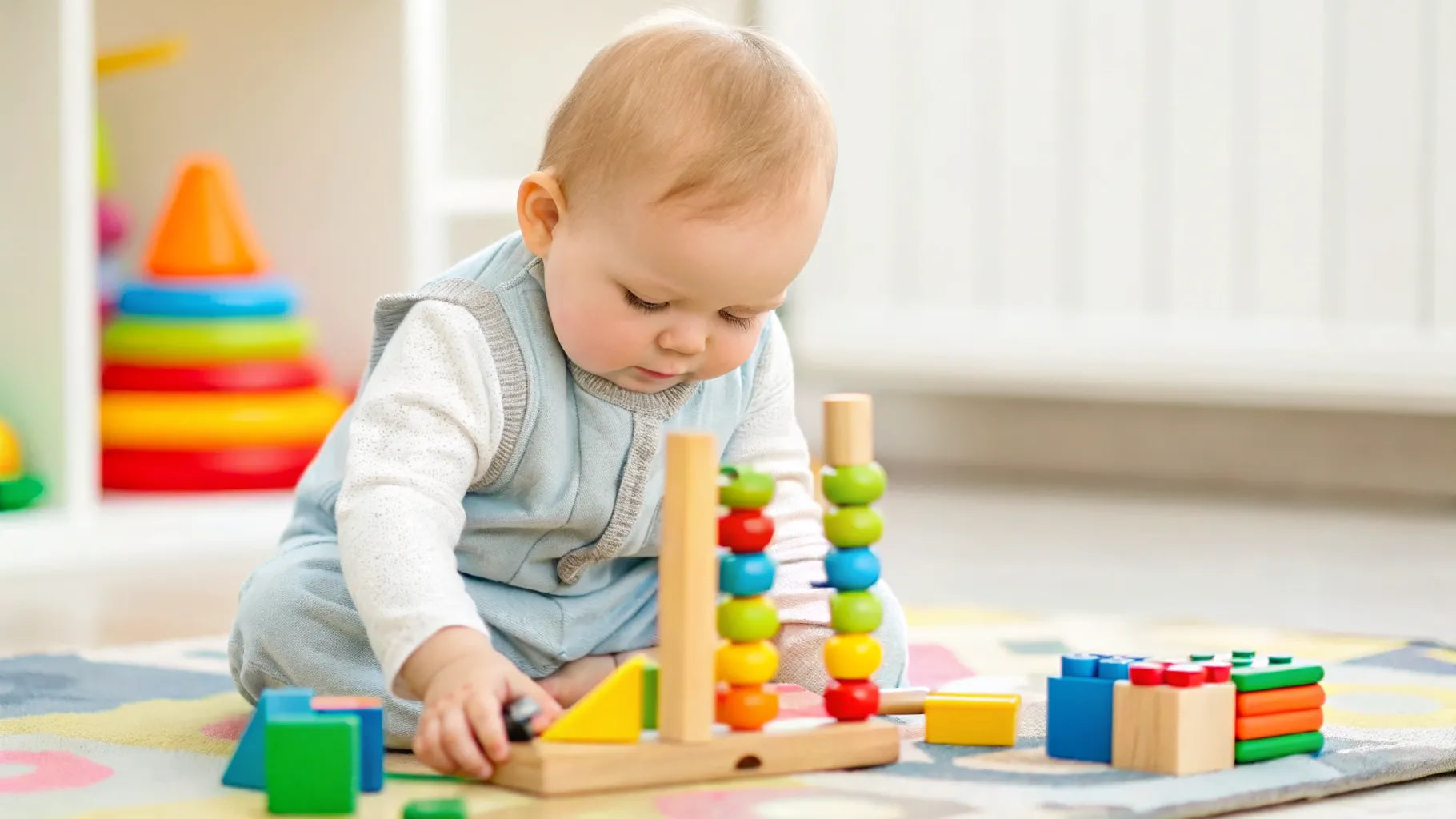
Credit: www.imthecheftoo.com
Environmental Factors
Environmental factors play a key role in why kids return to old toys. These factors shape how children interact with their playthings. The space around the child affects their interest in toys. Changes in the environment can spark curiosity and new ways to play.
Accessibility And Visibility
Toys within easy reach get noticed more by kids. When toys are visible, children remember them. Out of sight often means out of mind. Moving toys to a child’s eye level invites play. Simple changes like this can renew interest in old toys.
Changing Surroundings
New rooms or rearranged furniture make toys seem fresh. A different setting helps children see toys in new ways. Changes can inspire new stories and games. Even small changes in the play area can bring toys back to life. This keeps playtime exciting and creative.
Parental Involvement
Parental involvement plays a big role in why kids come back to old toys. Parents help children see toys in new ways. They also make playtime special and fun. This support encourages kids to explore toys again after months.
Encouragement And Support
Parents who cheer kids on help build their interest in toys. Simple words like “Good job!” or “Try this!” boost confidence. Kids feel happy and want to play more. This positive feeling makes toys exciting again.
Shared Playtime
Playing with parents turns toys into a shared adventure. Kids enjoy toys more when parents join in. Stories and games with parents bring toys to life. This shared fun motivates children to revisit toys often.
Frequently Asked Questions
Why Do Kids Lose Interest In Toys Initially?
Kids often lose interest as toys become too familiar or simple. Their curiosity shifts to new activities or challenges. This natural exploration helps develop varied skills and keeps playtime engaging.
How Does Novelty Affect Kids Revisiting Toys?
Novelty sparks curiosity, but after time, kids seek fresh experiences. Returning to old toys feels new again due to memory refresh and imaginative play, renewing excitement and creativity.
Can Boredom Lead Kids To Revisit Old Toys?
Yes, boredom encourages kids to explore familiar toys again. Revisiting toys offers comfort and stimulates creativity when new entertainment options are limited or uninteresting.
Do Developmental Stages Influence Toy Revisits?
Children revisit toys as their skills and understanding grow. What seemed simple before may become challenging or fun with new abilities, making old toys appealing again.
Conclusion
Kids revisit toys because their interests change over time. Toys that seemed old can feel new again. This helps children use their imagination more. Revisiting toys also brings comfort and fun. It supports learning and creativity in small steps. Parents can watch how kids grow through play.
Toys stay a part of childhood memories. This cycle makes playtime enjoyable and meaningful. Letting kids return to old toys is natural. It helps them explore and feel happy.
