
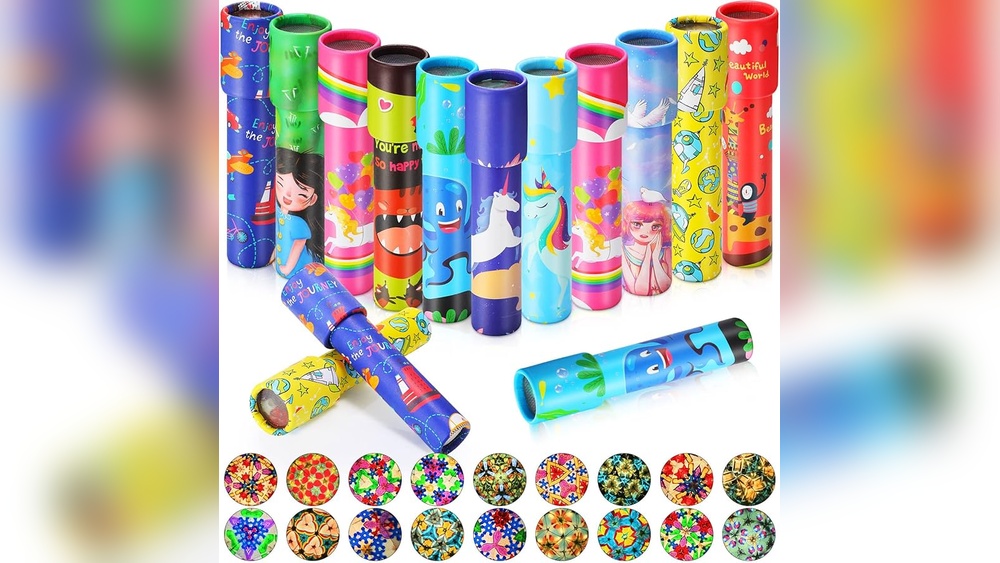
Have you ever noticed your child going back to a toy they’ve had for years, even when there are new ones all around? It might seem puzzling at first.
Why do kids return to old toys instead of exploring something new? Understanding this can help you connect better with your child and support their growth in surprising ways. Keep reading, and you’ll discover the simple reasons behind this curious behavior—and how it can actually benefit your child’s development.
Nostalgia And Comfort
Kids often return to old toys because these items bring feelings of nostalgia and comfort. These toys remind children of happy times and safe moments. The familiar objects help them feel calm and secure. This sense of comfort is important for their emotional well-being. Toys become more than just playthings; they turn into sources of emotional support.
Emotional Security
Old toys provide children with emotional security. These toys offer a sense of stability in a changing world. When kids feel unsure or scared, they reach for their favorite toy. It helps them feel safe and protected. The toy acts like a trusted friend during tough times. This comfort encourages kids to explore and learn with confidence.
Familiar Scents And Textures
The scents and textures of old toys play a big role in comfort. Kids remember the smell of their toys from past playtime. Soft fabrics and smooth surfaces bring a soothing feeling. Touching these familiar textures can calm anxiety or stress. This sensory connection makes the toys feel special and reassuring. Children often pick toys that remind them of past joy.
Developmental Benefits
Kids often return to old toys because these toys help their development. Playing with familiar toys supports learning in many ways. It gives children a chance to practice skills and feel proud of what they can do. This process helps them grow emotionally and mentally.
Reinforcing Skills
Old toys help children repeat actions they already know. This repetition strengthens their skills. For example, building blocks improve hand-eye coordination and problem-solving. Playing with puzzles enhances memory and focus. Returning to old toys lets kids practice without pressure. It also helps them learn at their own pace.
Building Confidence
Using old toys makes children feel safe and successful. They know how the toys work and can play easily. This success builds their confidence. Confident kids are more willing to try new things. They also feel proud of their abilities. Old toys create a positive space for learning and growth.
Imagination And Creativity
Children often return to old toys because these toys spark their imagination. Old toys offer a familiar world where creativity can grow. Playing with them helps kids create stories and new ideas. This play encourages thinking and problem-solving in fun ways.
Reinventing Play Scenarios
Kids use old toys to create new stories. They change the roles and settings each time they play. A toy car can become a spaceship or a rescue vehicle. This reinvention keeps play fresh and exciting. It helps children explore different ideas and emotions.
Combining Old And New Toys
Children mix old toys with new ones to build unique play worlds. This combination adds variety and depth to their games. It allows kids to experiment and test new ideas. The mix of toys encourages flexible thinking and creativity.

Credit: www.macombdaily.com
Social Connections
Kids often return to old toys because these toys connect them to others. Social connections play a big role in why children choose familiar toys over new ones. These toys carry stories and feelings that help kids feel close to family and friends. The toys become a bridge to shared moments and happy times.
Shared Memories With Family
Old toys remind kids of times spent with their family. Playing with a toy passed down from a parent or sibling brings back warm memories. These toys hold stories of laughter and care. They create a sense of belonging and comfort. Kids feel connected to their family history through these toys.
Bonding With Friends
Children often share old toys with their friends. These toys help start conversations and games. Playing with familiar toys makes social time easier and more fun. Kids build friendships around shared play experiences. Old toys become tools for making and keeping friends.
Routine And Predictability
Kids often return to old toys because these toys bring a sense of routine and predictability. Young children find comfort in familiar objects. These toys help them feel safe in a world that can change quickly. When a child plays with a favorite toy, they know what to expect. This helps reduce anxiety and makes playtime enjoyable.
Managing Change
Change can be hard for children. New experiences may feel scary or confusing. Old toys act as anchors during these times. They provide a steady, known element in the child’s day. Playing with a familiar toy helps children adjust to new situations. It gives them a chance to relax and feel secure.
Creating Safe Spaces
Old toys create a safe space for children’s emotions. These toys carry positive memories and feelings. Kids often turn to them when they feel upset or tired. The familiar texture, color, or shape can soothe a child’s mind. This safe space helps children build confidence and self-control.

Credit: www.amazon.com
Parental Influence
Parents play a big role in why kids return to old toys. They guide what children find interesting and fun. Their choices shape how children see their toys. This influence can make familiar toys more special.
Encouraging Play With Familiar Toys
Parents often encourage kids to play with toys they know well. These toys bring comfort and joy to children. Parents might suggest old toys during playtime or quiet moments. This helps kids feel safe and happy. Familiar toys also help children learn and explore at their own pace.
Passing Down Heirlooms
Many parents pass down toys from one generation to the next. These toys have stories and memories attached to them. Kids feel connected to their family when they play with these heirlooms. Parents share their own childhood joy through these toys. This tradition makes old toys more meaningful and loved.

Credit: www.przewozcm.eu
Frequently Asked Questions
Why Do Kids Prefer Old Toys Over New Ones?
Kids find comfort and familiarity in old toys. These toys often evoke happy memories and a sense of security. Kids also enjoy the simplicity and imagination that old toys encourage, compared to complex new gadgets. This emotional connection makes old toys more appealing.
How Do Old Toys Support A Child’s Development?
Old toys encourage creativity and problem-solving skills. They often require imagination, which boosts cognitive growth. Unlike many electronic toys, old toys promote active play and social interaction. This hands-on experience helps children develop motor skills and emotional intelligence.
Can Returning To Old Toys Improve A Child’s Focus?
Yes, old toys can enhance a child’s attention span. These toys typically lack flashy distractions, encouraging sustained play. The simplicity helps kids concentrate longer and engage deeply. This focused playtime supports better learning and mental development.
Do Old Toys Help Build Stronger Family Bonds?
Absolutely, old toys often carry family memories and stories. Playing with them can create shared experiences between parents and children. This interaction strengthens emotional connections and family bonds. It also passes down traditions, enriching a child’s sense of identity.
Conclusion
Kids return to old toys because they feel safe and happy. These toys remind them of good times and fun memories. Old toys also help children learn at their own pace. They offer comfort in a fast-changing world. Children enjoy familiar shapes and colors.
These toys spark imagination without pressure. Parents can encourage play with old toys to support growth. Simple, trusted toys often bring the most joy. This shows how play connects to feelings and learning deeply.
