
Have you ever noticed how your child plays one way when they’re alone but completely changes when friends join in? It’s not just about having company—there’s a fascinating shift in how kids think, feel, and express themselves.
Understanding why this happens can give you new insights into your child’s world and help you support their growth better. Keep reading to discover the surprising reasons behind these differences and how they shape your child’s development in powerful ways.

Credit: www.teacherspayteachers.com
Solo Play Patterns
Children play differently when they are alone. Solo play lets kids explore their own ideas and feelings. It gives them space to try new things without pressure. This type of play helps kids grow in many ways. They learn about themselves and how to solve problems.
Solo play patterns show how kids use imagination and focus. They can take their time and enjoy quiet moments. These moments are important for their brain and emotions. Let’s explore what happens during solo play.
Imagination And Creativity Boost
When kids play alone, their imagination runs free. They create stories and worlds from their minds. Without friends, they make up all the rules. This helps build creativity and new ideas. Kids feel like they are the heroes in their own tales.
Self-paced Exploration
Solo play lets children explore at their own speed. They try things again and again without hurry. This helps them understand how things work. Kids learn by doing and observing carefully. They develop skills without feeling rushed or distracted.
Focus And Concentration
Playing alone helps kids focus on one task. They can concentrate without interruptions or noise. This builds their attention span and patience. Over time, kids get better at finishing what they start. Focus during solo play supports learning in school too.

Credit: www.theschoolmusicalscompany.com
Group Play Dynamics
Group play changes how children act and learn. Playing with friends creates a unique setting. It opens doors to new feelings and skills. Kids behave differently than when they play alone. This difference comes from how they interact with others.
Group play brings many chances for social growth. It helps children build strong bonds and learn important life lessons. They share ideas, feelings, and work together. This interaction shapes their behavior and thinking.
Social Interaction Benefits
Playing in groups improves children’s social skills. They learn to talk and listen well. Kids practice understanding others’ feelings and thoughts. These moments teach them kindness and respect. Social interaction also boosts their confidence. They feel happier and more secure with friends around.
Learning Cooperation
Group play teaches cooperation clearly. Children learn to take turns and share. They discover how to work as a team. Cooperation helps them solve problems together. This skill is important for school and life. Playing alone lacks this chance to practice teamwork.
Conflict And Resolution
Disagreements happen often in group play. Kids face conflicts and learn to fix them. They find ways to talk and listen during fights. Conflict resolution builds patience and understanding. These lessons shape how children handle challenges later. Alone play does not offer this valuable experience.
Emotional Differences
Children’s emotions shape how they play alone or with friends. Playing alone feels different emotionally than playing in a group. These emotional changes affect their confidence, willingness to take risks, and how they show feelings.
Confidence Levels
Kids often feel more confident playing with friends. They get support and encouragement. This boosts their belief in trying new things. Alone, confidence can be lower. They may doubt their ideas or skills. Group play helps children feel accepted and valued. This makes them more willing to lead or share.
Risk-taking Behavior
Children take more risks with friends around. They feel safer to explore new actions. Friends can cheer them on or join in. Playing alone can limit risks. Kids might avoid mistakes or failures without others’ support. Group play builds courage and creativity through shared experience.
Emotional Expression
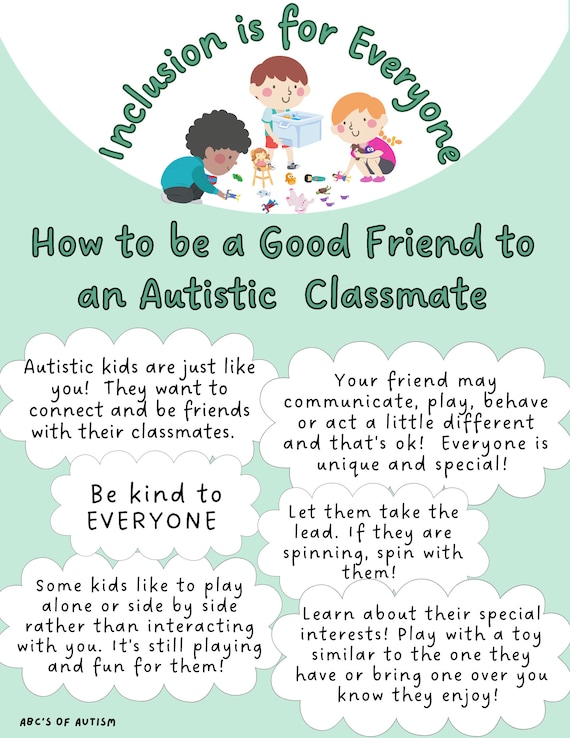
Kids express feelings differently alone versus with friends. Alone, they may show thoughts quietly or through imagination. With friends, emotions come out openly. They laugh, argue, or comfort each other. Playing with peers helps children learn to manage emotions better. It teaches them to understand and respond to others’ feelings.
Credit: www.etsy.com
Cognitive Development
Cognitive development shapes how children think and learn. Playing alone and playing with friends both help this growth. Each type of play challenges the brain in different ways. Kids use different skills based on their play setting. This section explores key parts of cognitive growth.
Problem Solving Skills
Playing alone lets kids explore problems at their own pace. They try different ideas without pressure. This helps build patience and creativity. Playing with friends adds challenges. Kids must solve problems together. They learn to share ideas and find common solutions. This teamwork boosts flexible thinking.
Language And Communication
Children talking with friends practice language skills. They use words to express feelings and thoughts. This back-and-forth talk improves vocabulary and grammar. Alone play often uses less talking. Kids may talk to themselves or imagine stories. Both types help language but social play speeds up speaking skills.
Perspective-taking
Playing with others requires seeing things from another view. Kids learn to understand friends’ feelings and ideas. This builds empathy and social awareness. Alone play lacks this social need. Instead, children focus on their own ideas. Both forms help thinking but friends make kids think beyond themselves.
Environmental Influences
Children’s play changes a lot depending on their environment. The place they play and the people around them shape how they act. Different surroundings can make a child more quiet or more active. They may use toys in new ways or follow rules they learn from others. These environmental factors help explain why kids play differently alone than with friends.
Parental Roles
Parents guide how children play. At home, parents set rules and show how to use toys. They often watch or join in play. This makes children feel safe and try new ideas. Parents also choose what toys are available and where kids play. Their encouragement or limits can change the way a child plays alone or with others.
Setting And Space
The place where kids play matters a lot. Small rooms or crowded spaces limit movement and games. Wide open areas invite running and group activities. Outdoors, children find more natural toys like sticks or stones. Indoors, toys and furniture shape play types. Space changes how children use their bodies and imaginations during play.
Cultural Factors
Culture affects what games children know and enjoy. Some cultures teach group games that need many players. Others focus on quiet, solo activities. Traditions and stories shape children’s play themes. Cultural rules also guide how children interact during play. These factors create unique ways kids play alone versus with friends.
Impact On Growth
Playing alone or with friends shapes how children grow and learn. Both types of play help develop important skills. Alone play builds self-reliance, while playing with friends teaches cooperation. Understanding these differences shows why kids play differently in each setting.
Building Independence
Playing alone encourages kids to think for themselves. They make decisions without help. This builds confidence and problem-solving skills. Kids learn to enjoy their own company. They explore ideas and feelings at their own pace. Alone play helps children feel strong and capable.
Strengthening Friendships
Playing with friends teaches sharing and teamwork. Kids practice communication and listening. They learn to solve conflicts and take turns. Social play builds trust and empathy. Friendships grow stronger through these interactions. Children feel connected and supported by others.
Balancing Alone And Social Time
Both alone and social play are important. Alone time helps kids recharge and reflect. Social play boosts social skills and fun. Parents should encourage a healthy mix of both. This balance supports overall growth and happiness. Kids learn to enjoy time with others and themselves.
Frequently Asked Questions
Why Do Kids Play Differently Alone Versus With Friends?
Kids play differently alone because they focus on self-expression and imagination. With friends, play becomes social, cooperative, and competitive, encouraging communication and teamwork.
How Does Social Interaction Affect Kids’ Play Styles?
Social interaction introduces rules, sharing, and collaboration. It helps kids develop empathy, problem-solving skills, and adaptability during play, making it more dynamic and structured.
What Skills Do Kids Develop When Playing Alone?
Playing alone fosters creativity, self-regulation, and independence. It allows kids to explore ideas freely, build concentration, and develop internal motivation without external influences.
Can Playing With Friends Improve Communication Skills?
Yes, playing with friends enhances verbal and nonverbal communication. Kids learn to negotiate, listen, express feelings, and resolve conflicts, improving their social competence.
Conclusion
Kids play differently alone and with friends because their focus changes. Alone, they enjoy quiet and imagination. With friends, they share, compete, and communicate more. Playing alone builds creativity and self-awareness. Playing with others helps social skills and teamwork. Both types of play matter for a child’s growth.
Understanding this helps parents support healthy development. Let kids enjoy both ways to play and learn. Each style teaches valuable lessons for life.
