
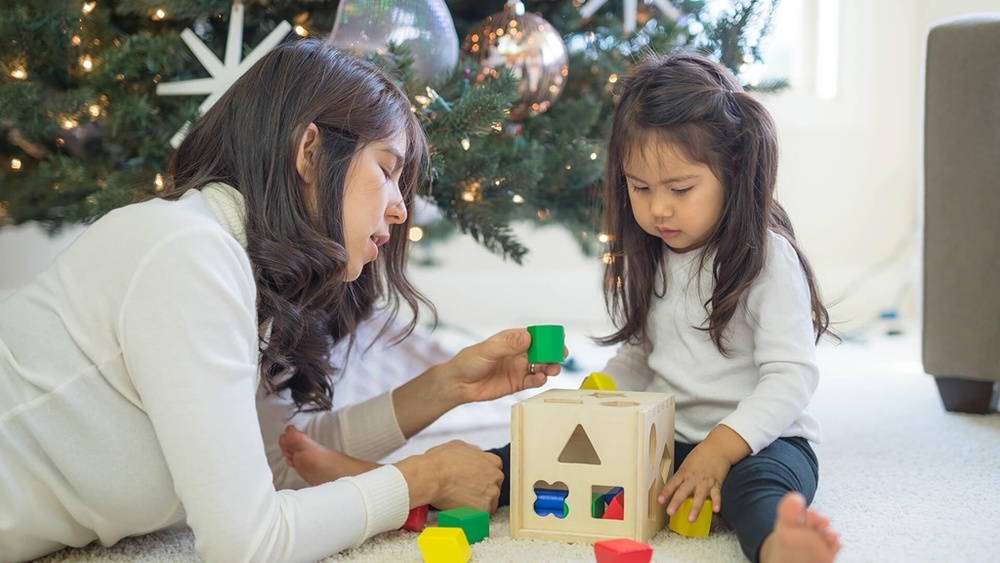
Have you ever noticed how your child can spend hours focused on just one or two toys, but quickly loses interest when surrounded by a mountain of them? It might seem surprising, but kids actually play better and learn more when they have fewer toys to choose from.
This simple change can spark creativity, improve focus, and make playtime more meaningful for your little one. Keep reading to discover why less really is more when it comes to your child’s play—and how you can make the most of it.

Credit: www.washingtonpost.com
Impact Of Toy Quantity On Play
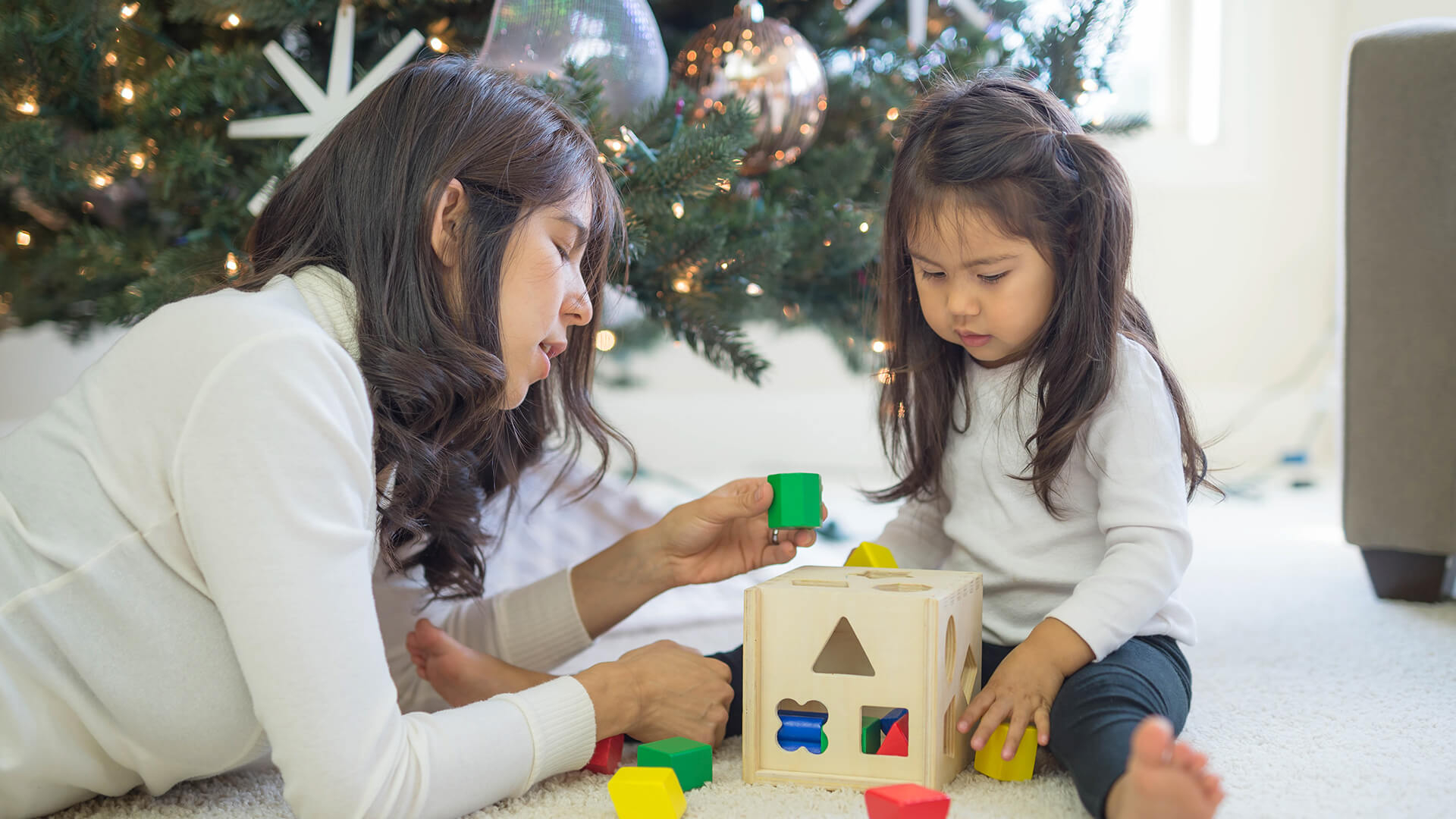
The number of toys children have affects how they play. Too many toys can make playtime less fun and less creative. Kids with fewer toys often use their imagination more. They create stories and games with simple items. This kind of play helps children learn and grow in many ways.
How Fewer Toys Encourage Creativity
With fewer toys, children find new ways to play. They use toys in different roles and make up stories. This kind of play sparks imagination and problem-solving skills. Kids learn to think outside the box. They also develop focus because they do not get distracted by many options.
Avoiding Overstimulation In Playtime
Too many toys can overwhelm kids. It is hard to choose what to play with. This causes stress and short attention spans. Fewer toys create a calm and focused playtime. Children enjoy their play more and relax better. This helps them build better thinking and emotional skills.
Benefits For Child Development
Playing with fewer toys helps children grow in many ways. It gives them space to think and explore. This simple change improves their brain skills. Kids learn better by focusing on one thing at a time. Their creativity and thinking skills grow stronger. Let’s see how less toys help their development.
Boosting Problem-solving Skills
Fewer toys challenge children to use their minds more. They find new ways to play with what they have. This builds their ability to solve problems. Kids learn to think carefully and try different ideas. It encourages them to be patient and creative.
Enhancing Focus And Attention
With fewer toys, children are less distracted. They can pay attention to one toy longer. This improves their focus and concentration. Better attention helps them in school and daily life. It teaches them to enjoy deep and meaningful play.
Emotional And Social Growth
Children grow emotionally and socially through play. Playing with fewer toys helps them focus better. It allows deeper connections with their feelings and with others. Simple toys invite kids to use their imagination and work with friends. This kind of play supports important skills for life.
Promoting Imaginative Play
With fewer toys, children create their own stories. They use toys in many ways, not just one. This boosts creativity and problem-solving skills. Kids learn to think outside the box. Imagination helps children understand their emotions better. It also gives them joy and confidence.
Encouraging Sharing And Cooperation
Fewer toys mean kids often share with each other. They practice waiting their turn and working together. Sharing teaches kindness and respect for others. Cooperation builds friendships and social skills. These moments help children learn to communicate clearly. They discover how to solve conflicts peacefully.
Parental Perspectives And Challenges
Parents often face challenges managing their children’s toys. Too many toys can cause stress and mess. It can be hard to keep the home tidy. Parents also worry if fewer toys mean less fun for kids. Understanding these concerns helps find better ways to support children’s play.
Managing Toy Clutter At Home
Toys can quickly fill every corner of a room. Clutter makes it difficult for kids to focus and choose what to play with. Parents struggle to organize and clean up constantly. Reducing the number of toys helps keep spaces neat. Fewer toys mean less mess and easier cleanup for parents and kids.
Choosing Quality Over Quantity
Parents want to give their children good toys. It is better to choose fewer, high-quality toys than many cheap ones. Quality toys last longer and offer more learning chances. They also encourage creativity and deeper play. Choosing the right toys can bring more joy and less clutter to a home.
Practical Tips For Parents
Parents often wonder how to keep their children interested in play without overwhelming them. Fewer toys can help kids focus better and enjoy playtime more. Practical tips can guide parents on how to make the most of limited toys. These tips create a fun and engaging environment for children.
Rotating Toys To Maintain Interest
Keep toys fresh by rotating them regularly. Put some toys away for a few weeks. Then, bring them back to renew your child’s interest. This prevents boredom and keeps playtime exciting. It also helps children appreciate each toy more.
Creating Engaging Play Environments
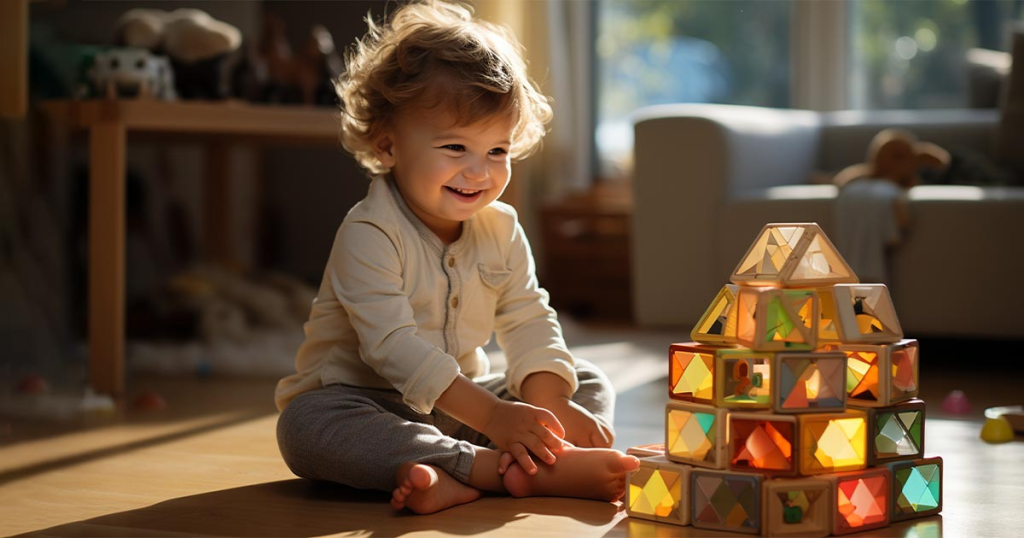
Set up simple play areas that invite creativity. Use soft mats, small tables, or clear spaces for play. Organize toys in easy-to-see bins or shelves. A neat area helps children choose toys without distractions. This encourages focused and imaginative play.
Credit: wildbloomfamilies.com
Credit: atriumhealth.org
Frequently Asked Questions
Why Do Fewer Toys Improve Kids’ Creativity?
Fewer toys encourage kids to use imagination more. They find new ways to play and invent stories. This boosts creativity and problem-solving skills naturally.
How Does Less Toy Clutter Affect Focus?
Having fewer toys reduces distractions for children. It helps them concentrate better on one activity. This improves attention span and learning during playtime.
Can Fewer Toys Enhance Social Skills?
Yes, with fewer toys, kids share and cooperate more. They learn to negotiate and communicate during play. This strengthens their social interactions and teamwork abilities.
Does Owning Fewer Toys Impact Kids’ Happiness?
Children with fewer toys often enjoy playtime more. They appreciate each toy and feel less overwhelmed. This leads to greater satisfaction and emotional well-being.
Conclusion
Kids enjoy playing more with fewer toys. They focus better and use their imagination. Too many toys can cause confusion and distraction. Simple playthings help children think and create. They learn to solve problems and explore ideas. Parents can support by choosing quality over quantity.
This approach builds creativity and deepens playtime fun. Fewer toys mean more meaningful and joyful play experiences.
