
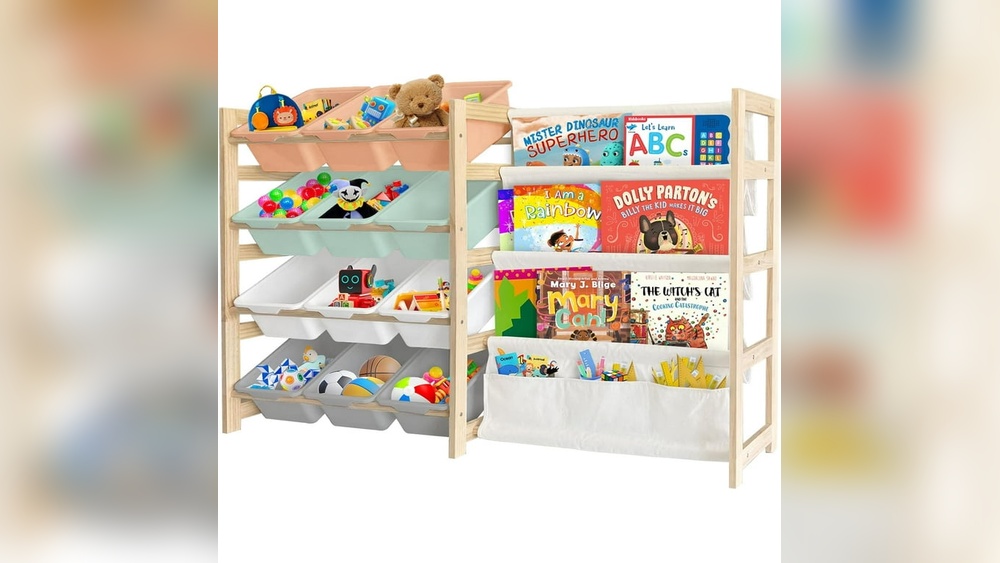
Have you ever noticed your child lining up their toys by color? It might seem like just a fun game, but there’s more happening behind those colorful rows.
Your child’s way of organizing toys reveals how their brain is learning and making sense of the world. Understanding why kids sort their toys this way can help you support their growth and creativity. Keep reading to discover the surprising reasons behind this simple habit—and how it connects to your child’s development.
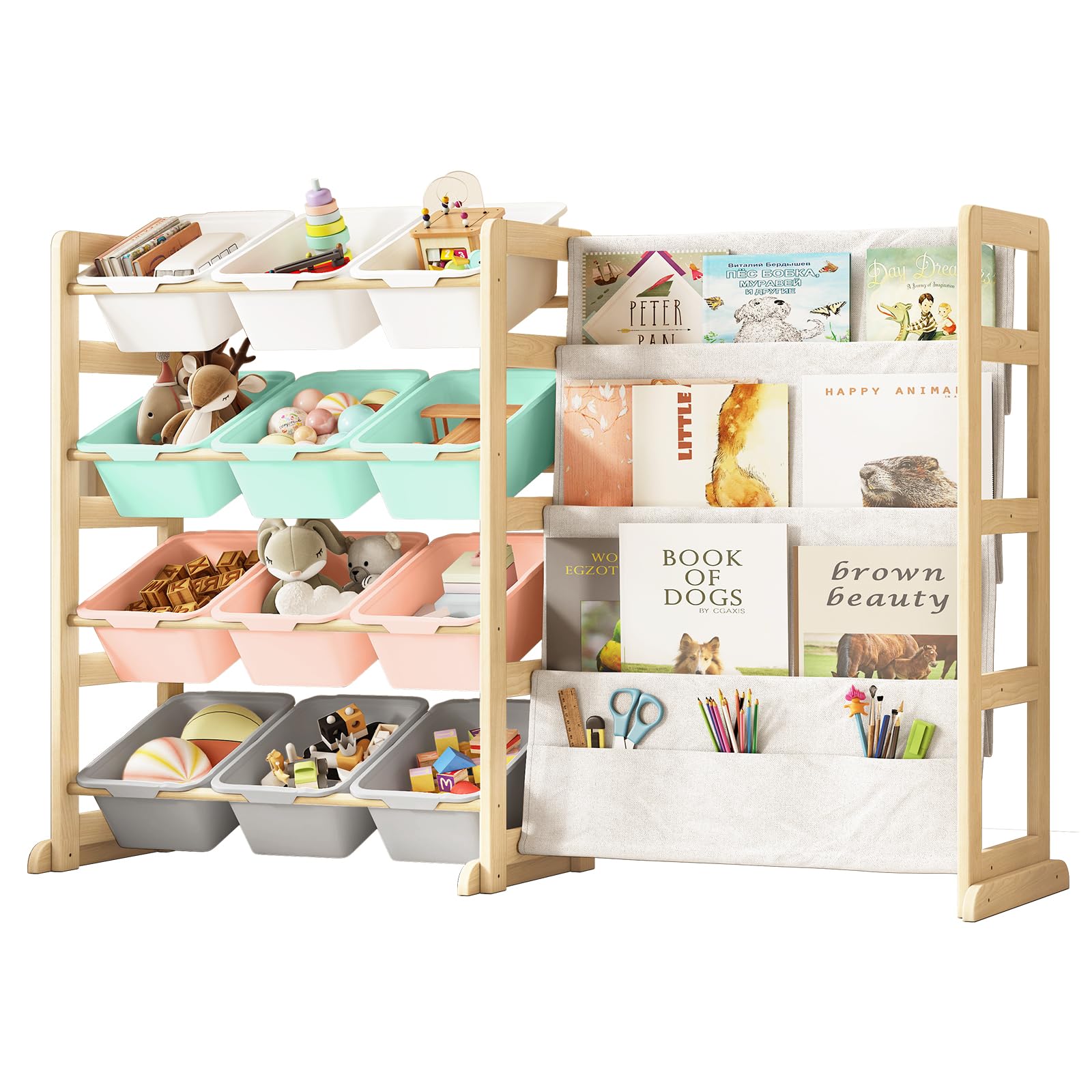
Credit: www.amazon.com
Color Sorting In Childhood
Color sorting is a common activity among young children. They often group toys by colors without thinking much about it. This simple act helps them learn about the world. It also supports many parts of their brain development.
Understanding why kids sort by color can give us insight into their growth. It shows how their minds work and how they explore their surroundings.
Natural Attraction To Colors
Children are drawn to bright and clear colors naturally. Colors catch their attention more than shapes or sizes. This attraction makes sorting by color an easy choice. It feels fun and simple for young kids.
Early Cognitive Development
Sorting toys by color helps develop thinking skills. Kids learn to recognize patterns and differences. This activity also improves memory and focus. Grouping colors teaches children to organize and classify objects.
Role Of Visual Processing
The brain processes colors faster than other details. Visual signals about color help children identify objects quickly. Sorting by color strengthens the brain’s ability to see and separate items. This skill aids in reading and other tasks later.

Credit: www.amazon.com
Psychological Benefits
Organizing toys by color offers many psychological benefits for children. It helps them feel calm and focused. Sorting objects creates a sense of structure in their world. This simple act supports important mental skills and emotional growth.
Sense Of Control And Order
Children feel safe when things are in order. Sorting toys by color gives them control over their environment. This control reduces stress and builds confidence. It helps kids understand how to create balance in daily life.
Boosting Memory And Attention
Grouping toys by color sharpens memory. Kids remember colors and where items belong. This activity trains their brain to focus on details. It also improves their ability to pay attention for longer.
Enhancing Problem-solving Skills
Sorting requires thinking and planning. Kids decide which toy fits in each color group. This process develops critical thinking and decision-making skills. It teaches them how to solve problems step by step.
Emotional Connections
Kids often organize toys by color because it helps them connect emotionally. Colors can make children feel safe and happy. Sorting toys this way is more than just fun. It builds feelings and shows who they are inside.
Comfort And Security
Colors create a sense of comfort for kids. Bright or soft colors can calm their minds. Seeing toys in neat color groups feels less messy. This order gives children a safe space to play. They feel protected and relaxed when toys are organized.
Expression Of Personality
Color choices show a child’s personality. Kids pick colors they like best. Sorting toys lets them express themselves without words. It shows what makes them unique. This simple act helps children feel proud of who they are.
Stress Relief Through Organization
Organizing toys by color helps reduce stress. The task is simple and clear for children. It gives them control in a small way. This control lowers feelings of worry or confusion. Sorting colors can be a calming routine for kids.
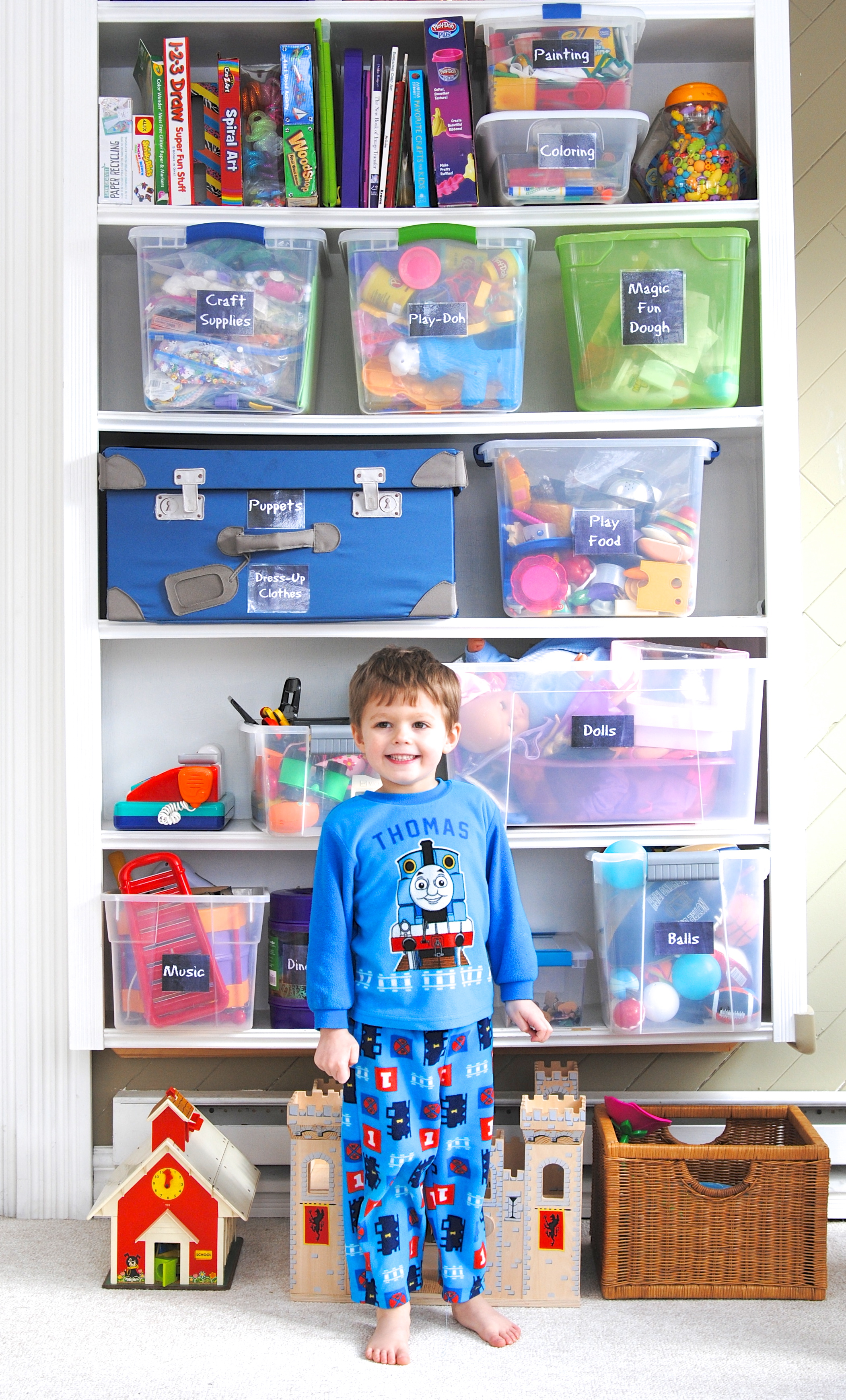
Credit: makinglemonadeblog.com
Social Influences
Social influences play a big role in why kids organize toys by color. Children watch and copy others around them. This helps them learn new ways to sort and arrange things.
Social settings, like school or home, shape how kids think about order. Group activities often encourage neatness and patterns. These experiences guide children’s organizing habits.
Learning From Peers And Adults
Kids notice how friends and family arrange toys. If peers sort toys by color, kids try it too. Adults who organize things neatly set examples for children.
Parents and teachers may suggest grouping toys by color. This simple rule is easy for kids to follow. It also makes cleanup faster and more fun.
Cultural Impact On Organization Habits
Different cultures have unique ways of sorting and organizing. Some cultures focus on colors to show meaning or style. Kids absorb these habits from their surroundings.
Cultural stories and traditions often use colors to teach lessons. Children learn to value colors in daily life. This shapes how they arrange toys and other items.
Developmental Milestones
Children sorting toys by color shows important growth steps. These actions help parents and teachers see how kids develop. Sorting is more than play. It reflects changes in thinking and learning abilities.
Watching how children group objects helps track their progress. Each age brings new skills in organizing and understanding the world.
Age-related Sorting Abilities
Young toddlers start by noticing simple differences. Around age two, they begin to group toys by color. This shows they see patterns and similarities. By age three, kids sort by shape and size too. These skills grow stronger by preschool age. Sorting becomes faster and more accurate with practice.
Indicators Of Cognitive Growth
Sorting toys by color signals brain development. It shows memory, attention, and decision-making skills improving. Kids learn to recognize categories and organize information. This skill helps with reading and math later on. It also boosts problem-solving and focus. These milestones mark healthy cognitive growth in early childhood.
Encouraging Healthy Organization
Encouraging healthy organization helps children develop good habits early. Sorting toys by color is one way kids learn to organize. This simple activity builds skills that last a lifetime. It teaches order, focus, and care for their space.
Organizing toys also supports emotional growth. Kids feel proud when their things look neat. It creates calm and reduces stress in their play area. These benefits help children enjoy their environment more.
Supporting Creativity And Independence
Sorting toys by color lets children use their imagination. They create patterns and stories with colors. This boosts creative thinking and problem-solving skills.
Kids gain confidence by organizing on their own. It teaches them to make choices and solve small tasks. Independence grows as they take responsibility for their toys.
Tips For Parents And Educators
Offer clear, simple instructions for sorting toys. Use colorful bins or boxes to make it fun. Praise children for their efforts to keep them motivated.
Create a regular routine for organizing toys. This builds consistency and good habits. Avoid pressure; let kids explore and find their own way.
Frequently Asked Questions
Why Do Kids Sort Toys By Color Naturally?
Kids sort toys by color because it helps them recognize patterns. Color sorting improves their visual discrimination skills. It also makes organizing toys more fun and engaging for children. This activity supports early cognitive development and boosts memory retention.
How Does Color Sorting Benefit Child Development?
Color sorting enhances a child’s brain development by improving attention and concentration. It also supports fine motor skills and hand-eye coordination. Sorting by color aids in learning color names and categorization, which are essential early learning milestones.
At What Age Do Children Start Organizing Toys By Color?
Children typically start sorting toys by color around 2 to 3 years old. At this stage, toddlers develop color recognition and classification skills. This activity aligns with their natural curiosity and growing cognitive abilities.
Can Sorting Toys By Color Improve Problem-solving Skills?
Yes, sorting toys by color encourages kids to think logically and make decisions. It helps them recognize differences and similarities, fostering critical thinking. This simple activity lays the foundation for more complex problem-solving tasks.
Conclusion
Kids sort toys by color because it makes sense to them. Colors help children see order and feel calm. Sorting builds their focus and decision-making skills. It also shows how they understand the world around them. Watching kids organize toys can reveal how they think and learn.
Parents can encourage this habit to support growth. Simple acts like sorting toys can shape a child’s mind. It’s a small step with big benefits for young learners.
