

Have you ever wondered why your child can’t seem to let go of a particular toy? Maybe it’s a soft teddy bear, a worn-out blanket, or a colorful action figure.
These special items aren’t just toys—they hold a powerful place in your child’s heart. Understanding why kids get attached to certain toys can help you support their emotional growth and make parenting a little easier. Keep reading to discover the surprising reasons behind these strong bonds and how they shape your child’s world.
Emotional Comfort And Security
Children often form strong bonds with certain toys. These toys offer more than just play. They provide emotional comfort and a sense of security. This bond helps kids manage their feelings and feel safe in different situations.
Toys As Safe Havens
Toys become a child’s safe place. Holding a favorite toy can calm a child during stressful times. It feels like a trusted friend nearby. This sense of safety helps kids handle new or scary experiences. The toy stays constant, even when things change around them.
Soothing Anxiety And Fear
Many children use toys to ease their worries. Soft toys or blankets often bring comfort. They help reduce fear and nervousness. Kids may hug or talk to their toys to feel better. This simple act can lower anxiety and create peace of mind. It helps children face challenges with more confidence.

Credit: www.amazon.com
Imaginative Play And Creativity
Imaginative play sparks creativity in children. It lets them explore new ideas and worlds. Toys become tools for this creative journey. Kids use toys to act out stories and solve problems. This play helps develop their thinking and emotional skills.
Role Of Toys In Storytelling
Toys help kids tell their own stories. Dolls, action figures, and blocks become characters and places. Children create scenes and adventures with these toys. This storytelling builds language and social skills. It also encourages children to express their feelings.
Encouraging Problem Solving
Toys challenge kids to think and find solutions. Puzzles and building sets require planning and patience. Kids learn to try different ideas and fix mistakes. This process improves their critical thinking skills. Problem solving through play prepares children for real-life challenges.
Familiarity And Routine
Familiarity and routine play a big role in why kids get attached to certain toys. These toys become a steady part of their day. They bring comfort and a sense of safety. Kids enjoy having things they know well. This helps them feel calm in a changing world.
Children thrive on regular habits. Toys tied to daily routines become special. They offer a familiar touch in new or confusing moments. This connection helps kids feel more secure and happy.
Consistency In Daily Life
Kids like knowing what comes next. A favorite toy often appears at the same times. Maybe during bedtime or car rides. This steady presence helps kids relax. The toy acts like a quiet friend. It makes daily life less scary and more fun.
Building Predictable Patterns
Predictable routines help children understand their day. Toys that fit these patterns become important. They mark time and signal what happens next. This predictability lowers stress. Kids feel ready for what is coming. Their favorite toy becomes a symbol of these safe moments.
Social Connections And Memories
Children often form strong attachments to their toys. These toys are not just objects but carry deep social connections and memories. Toys can remind kids of special moments and people in their lives. This emotional bond makes toys precious and comforting. Understanding this helps explain why kids hold on to certain toys for a long time.
Toys Linked To Family And Friends
Toys often connect children to their family and friends. A gift from a parent or grandparent feels very special. It shows love and care. Playing with such toys brings back happy memories of those people. Sometimes, kids share toys with friends, creating bonds through play. These connections make toys more than just playthings.
Preserving Childhood Moments
Toys act as keepsakes for childhood memories. They remind children of fun times and adventures. A favorite stuffed animal or a toy car holds stories of play and joy. These memories help children feel safe and happy. As kids grow, toys keep those moments alive in their hearts.
Developmental Stages And Preferences
Children’s attachment to toys changes as they grow. Their choices reflect their mental and physical development. Each stage brings new interests and skills. Toys help kids explore the world and learn new things. Understanding these stages explains why certain toys become favorites.
Age-related Toy Choices
Toddlers like simple toys with bright colors. These toys catch their attention easily. Preschoolers prefer toys that let them pretend. They enjoy dolls, cars, and costumes. School-age children like puzzles and building sets. These toys challenge their thinking and creativity. Age shapes what toys kids find fun and comforting.
Sensory And Motor Skill Impact
Toys stimulate senses like touch, sight, and sound. Babies enjoy soft toys with different textures. These toys help develop their sense of touch. Toys with buttons and levers improve hand skills. Moving parts teach cause and effect. Sensory and motor skills grow through play and exploration.
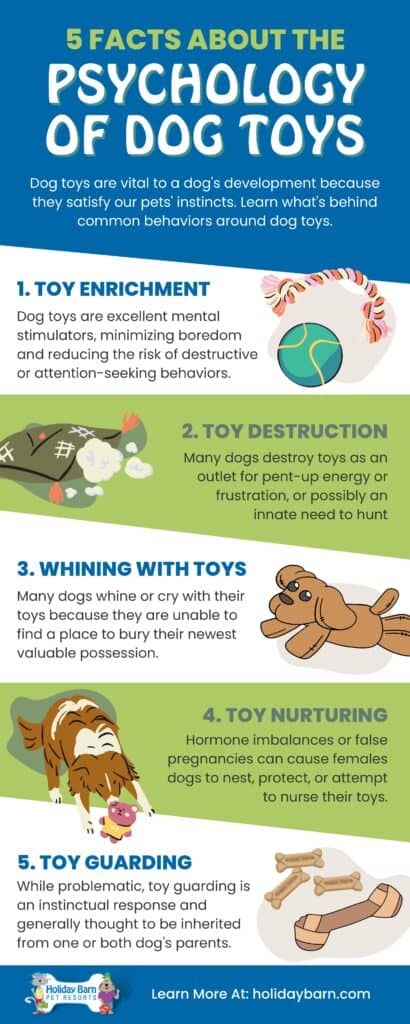
Credit: holidaybarn.com
Psychological Factors Behind Attachment
Children form strong bonds with certain toys for many psychological reasons. These attachments help kids feel safe and understood. Toys become more than playthings. They act as tools for emotional growth and learning. Understanding why kids get attached reveals their inner world and needs.
Sense Of Control And Ownership
Toys give children a feeling of control. Holding or caring for a toy makes them feel powerful. They decide how the toy looks and behaves. This control helps reduce anxiety in new or confusing situations. Having a special toy also creates a sense of ownership. It teaches responsibility and pride. This ownership builds confidence and independence.
Expression Of Identity
Toys reflect a child’s personality and preferences. Choosing a favorite toy shows what interests them. It helps kids express feelings they cannot say out loud. A toy can represent a friend or hero. This expression supports emotional development and self-awareness. Through toys, children explore who they are becoming.
Cultural Influences On Toy Attachment
Children often form strong bonds with certain toys. These attachments are shaped by many factors. Culture plays a big role in shaping which toys children love most. It influences the stories, values, and habits around toys. Understanding cultural effects helps explain why some toys become special.
Traditions And Gift-giving
Cultural traditions guide what toys children receive. Families pass down toys during holidays or birthdays. These gifts carry meaning beyond fun. They connect children to family history and culture. A doll or a wooden toy may hold special value. It reminds children of their roots and family love. This tradition makes some toys more precious.
Media And Popular Trends
TV shows, movies, and books shape toy choices. Characters from popular media often become favorite toys. Children want to play with heroes they see on screen. This connection builds strong attachments to these toys. Media trends can spread quickly across cultures. They influence what toys children ask for and keep close.
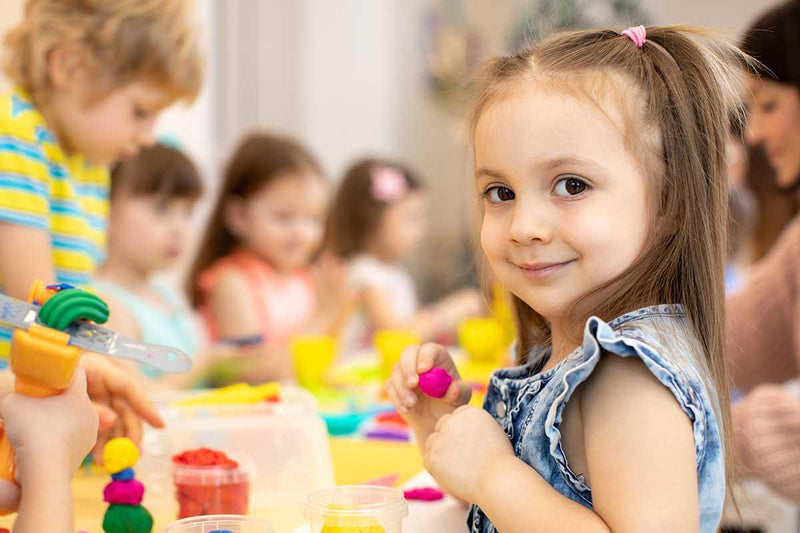
Credit: kidpowered.com
Frequently Asked Questions
Why Do Kids Form Strong Bonds With Toys?
Kids form bonds with toys as they offer comfort and familiarity. Toys often represent security and companionship during uncertain moments. This attachment supports emotional development and helps kids express feelings. Familiar toys also boost confidence and creativity, making them cherished over time.
How Do Toys Impact A Child’s Emotional Growth?
Toys encourage emotional growth by providing safe outlets for feelings. They help children understand empathy, responsibility, and social roles. Through play, kids learn to cope with emotions and build self-esteem. Emotional attachment to toys also promotes a sense of stability and security.
What Makes Certain Toys More Appealing To Children?
Toys appeal to children based on sensory features, colors, and textures. Familiarity and personal experiences also increase toy preference. Toys that stimulate imagination or mimic real-life objects attract more interest. Emotional connections and comfort value enhance a toy’s appeal significantly.
Can Toy Attachment Affect A Child’s Social Skills?
Toy attachment can influence social skills by fostering empathy and sharing. Children often use toys to practice communication and cooperation. However, excessive attachment may limit social interaction if it isolates the child. Balanced play encourages both emotional security and social development.
Conclusion
Kids form strong bonds with certain toys for many reasons. These toys offer comfort and a sense of security. They also help children explore their feelings and imagination. Familiar toys create happy memories and a safe space to play. Understanding this attachment helps parents support their child’s growth.
Every toy holds a special place in a child’s heart. It’s natural for kids to choose favorites. These connections shape their early experiences and learning. Toys are more than just playthings—they become trusted friends.
