
Have you ever wondered why your child is instantly drawn to toys that move, spin, or light up? It’s not just about fun—there’s something special happening in their brain when they play with toys that come to life in their hands.
These toys don’t just entertain; they spark curiosity, creativity, and even learning. If you want to understand what makes moving toys so irresistible to kids and how they can help your child grow, keep reading. You’ll discover surprising reasons that might change how you choose toys forever.

Credit: www.amazon.com
Appeal Of Motion In Toys
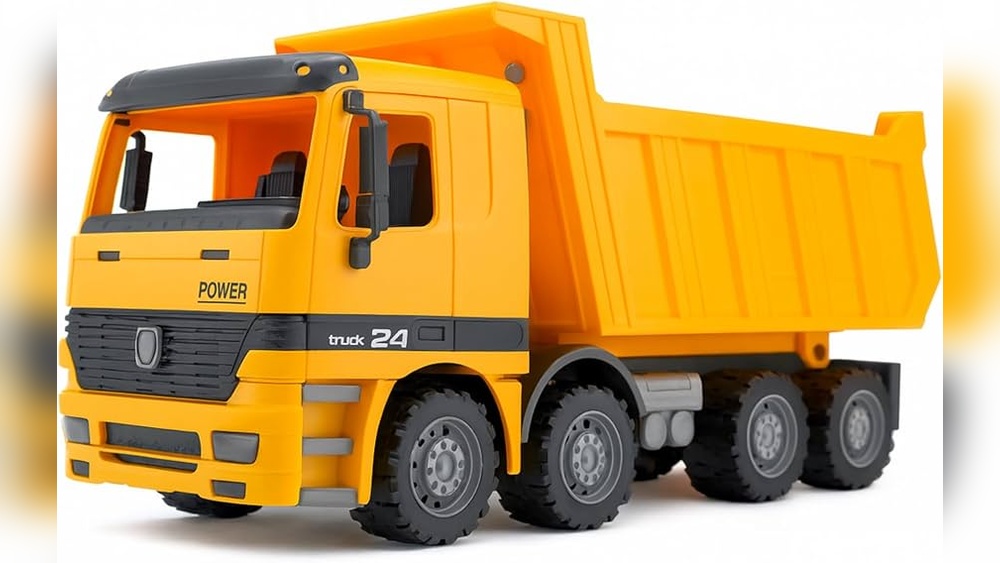
Kids love toys with moving parts because motion makes playtime exciting. Moving toys catch their eyes and keep them interested. The way parts spin, slide, or pop creates fun and surprise. This motion helps children learn about cause and effect. Toys that move invite kids to touch and explore. This interaction boosts their imagination and skills.
Capturing Attention Instantly
Moving parts grab a child’s attention right away. Bright colors combined with motion create a strong visual pull. Children naturally watch things that move around them. This makes toys with moving parts hard to ignore. The movement makes play feel alive and real. It helps kids focus and stay engaged longer.
Stimulating Curiosity And Exploration
Motion in toys sparks curiosity in young minds. Kids want to know how the parts move and work. They try to push buttons or pull levers to see what happens. This hands-on play encourages exploring and learning. Children discover new ideas by watching cause and effect. Toys with moving parts make learning fun and active.
Developmental Benefits
Toys with moving parts offer many developmental benefits for children. These toys help kids grow important skills while playing. They invite children to explore, touch, and interact. This hands-on learning supports both physical and mental growth. Kids learn by doing, which makes these toys very effective for development.
Enhancing Motor Skills
Playing with toys that move helps children improve their motor skills. Kids use their fingers and hands to push, pull, and twist parts. This practice builds fine motor skills, which are needed for writing and drawing. Moving parts also help develop hand-eye coordination. Children learn to control their movements better through repeated play.
Boosting Problem-solving Abilities
Toys with moving parts challenge children to think and solve problems. Kids figure out how parts fit or move together. This encourages critical thinking and planning. Children learn cause and effect by watching how their actions change the toy. These problem-solving skills are useful for school and daily life.
Sensory Engagement
Toys with moving parts attract children because they engage their senses deeply. Sensory engagement helps kids learn about the world through touch, sight, and movement. These toys offer more than just fun; they stimulate children’s brains and bodies. This interaction supports their growth and curiosity.
Visual Stimulation
Moving parts catch children’s eyes quickly. Bright colors combined with motion make toys exciting to watch. Kids follow the moving pieces, which improves focus and attention. Watching movement also helps children understand cause and effect. This visual play builds early cognitive skills and keeps them interested longer.
Tactile Feedback
Kids love to feel textures and motions with their hands. Toys that move give a sense of touch that is rich and varied. Turning wheels, sliding parts, and buttons provide different sensations. This tactile feedback helps children develop fine motor skills. Handling moving parts also improves hand-eye coordination and dexterity.
Credit: www.walmart.com
Imaginative Play
Imaginative play is a key reason children love toys with moving parts. These toys spark creativity and make playtime exciting. Kids can picture new worlds and stories. Moving parts add action and life to their ideas. This kind of play helps children think and express themselves.
Creating Stories And Scenarios
Toys with moving parts invite kids to create stories. They can imagine characters going on adventures. A robot’s arms may open to grab objects. A car’s wheels spin as it races. These simple actions help children build scenes in their minds. They enjoy making up stories that feel real.
Role-playing With Moving Elements
Moving parts help kids act out different roles. A doll that moves its head or hands feels more lifelike. A toy animal that walks can become a pet friend. Children pretend to be doctors, drivers, or heroes. The moving parts support their imagination in these roles. This play boosts social skills and emotional growth.
Emotional Connection
Toys with moving parts create a special bond with children. These toys respond to their actions. This response builds an emotional connection. Kids feel that the toy understands them.
The connection makes playtime more meaningful. It turns simple fun into learning moments. Emotions like joy and pride grow during play. This feeling encourages kids to play more.
Sense Of Control And Achievement
Moving parts give kids a clear sense of control. They push, pull, or twist and see results. This cause-and-effect helps them understand how things work. Each movement they make changes the toy.
Success feels real and immediate. This success brings a strong feeling of achievement. Children love to try again to get better. That effort builds patience and focus too.
Building Confidence Through Interaction
Interacting with moving toys boosts children’s confidence. They learn they can make things happen. This power over the toy makes them feel capable. Confidence grows as they master new skills.
Confidence spills over into other areas of life. Kids become eager to explore and try new things. Playing with moving toys is a safe way to practice. It encourages a positive attitude about learning.
Popular Types Of Moving Toys
Moving toys capture children’s attention like few other toys can. Their motion sparks curiosity and invites play. These toys often combine fun with learning. Kids enjoy seeing cause and effect in action. Various types of moving toys offer different experiences. Some rely on simple mechanics, while others use technology.
Wind-up Toys
Wind-up toys use a spring inside to move. Kids twist a key or knob to set them going. The toy walks, spins, or jumps after winding. This simple action fascinates children. Watching the toy move on its own feels magical. It teaches basic physics and timing skills.
Remote-controlled Gadgets
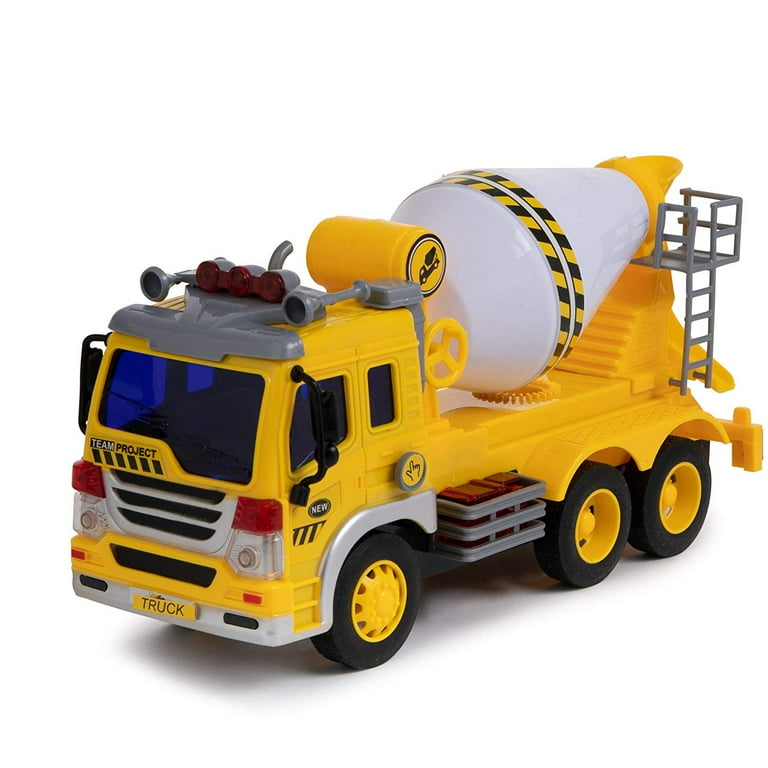
Remote-controlled gadgets let kids control movement from a distance. Cars, drones, and robots respond to commands. These toys improve hand-eye coordination and focus. Kids learn to plan and react quickly. The sense of control makes play more exciting and interactive.
Mechanical Puzzles
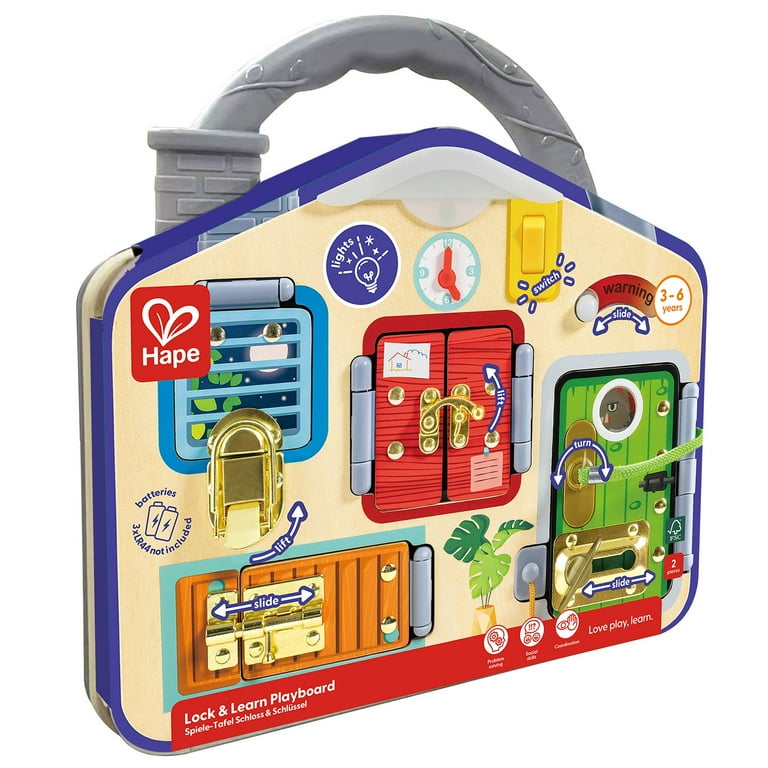
Mechanical puzzles require kids to move parts to solve challenges. These puzzles twist, slide, or rotate pieces. They develop problem-solving and fine motor skills. The moving parts add a hands-on element to brain games. Solving puzzles gives children a sense of achievement.
Tips For Choosing Moving Toys
Moving toys attract children because they offer action and interaction. These toys help kids learn cause and effect. Picking the right moving toy can boost playtime fun and learning.
Choosing the right toy needs care. It is important to consider the child’s age and safety. These tips help find toys that are fun and safe.
Age Appropriateness
Check the toy’s recommended age on the package. Toys too advanced may frustrate young children. Too simple toys might bore older kids. Age-appropriate toys match skills and interests. They help kids enjoy without risk or confusion.
Safety Considerations
Look for sturdy parts that do not break easily. Avoid small pieces for young children to prevent choking. Choose toys made from non-toxic materials. Check for sharp edges or loose parts. Safe toys protect children and keep playtime happy.
Credit: www.walmart.com
Frequently Asked Questions
Why Do Kids Prefer Toys With Moving Parts?
Kids enjoy toys with moving parts because they stimulate curiosity and creativity. These toys offer interactive play that improves motor skills and hand-eye coordination. Moving parts also keep children engaged longer and help them understand cause-and-effect relationships, making playtime both fun and educational.
How Do Moving Parts Enhance Child Development?
Moving parts encourage problem-solving and fine motor skill development. They require kids to manipulate pieces, improving dexterity and spatial awareness. Additionally, these toys promote cognitive growth by teaching children about mechanics and movement, supporting both physical and mental development in an engaging way.
What Types Of Toys Have Popular Moving Parts?
Popular toys with moving parts include cars, robots, puzzles, and building sets. These toys often feature wheels, gears, or levers that children can manipulate. They provide hands-on learning opportunities and interactive fun, which help maintain a child’s interest and encourage imaginative play.
Can Toys With Moving Parts Improve Social Skills?
Yes, toys with moving parts can enhance social skills. They encourage cooperative play, sharing, and communication among children. When kids play together with these toys, they learn teamwork and develop empathy, making playtime a valuable social experience.
Conclusion
Kids love toys with moving parts because they are fun and exciting. These toys catch their eyes and keep their hands busy. Moving parts help children learn how things work and improve their skills. They spark imagination and encourage creative play.
Toys that move also make kids feel proud when they figure them out. This type of play supports growth in many ways. That’s why children often choose toys with moving parts over others. Simple, active fun that teaches and entertains at the same time.
