
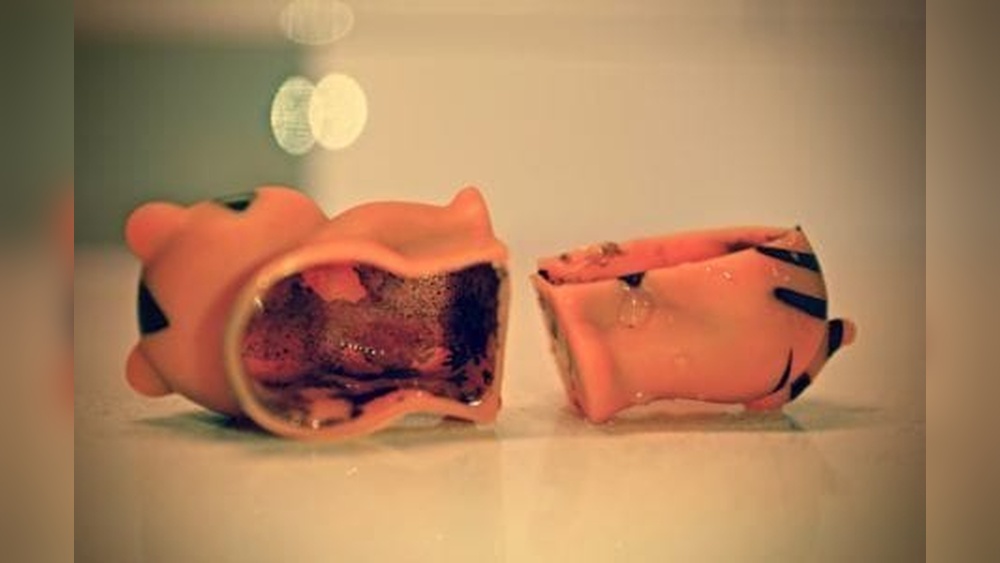
Have you ever noticed that your child’s favorite bath toys start to smell funny or look dirty, even after a quick rinse? You’re not alone.
Bath toys often get moldy inside, and it happens faster than you might expect. This isn’t just about a little grime—it can affect your family’s health and the fun your kids have during bath time. But why does this happen, and what can you do to stop it?
Keep reading to discover the surprising reasons behind moldy bath toys and simple steps you can take to keep them clean and safe.
How Mold Grows In Bath Toys
Mold grows inside bath toys because the conditions are perfect for its growth. Bath toys often trap water inside. This water stays wet for a long time. Mold loves wet places. It starts to grow quickly inside the toy.
Besides moisture, warmth and lack of light help mold grow too. Bath toys are usually stored in dark, warm bathrooms. These conditions help mold spores to multiply fast. Mold can grow without air and light, making bath toys an ideal home.
The materials used in bath toys also play a role. Soft plastic or rubber toys often have tiny holes. These holes trap water inside the toy. Mold grows in these small spaces, hidden from view. Hard materials do not trap water as much, so mold grows less there.
Moisture Trapped Inside
Water gets inside bath toys through small openings. The water stays trapped because the toy is sealed. This trapped moisture creates the perfect place for mold. Mold spores need water to grow and spread. The inside of bath toys stays damp for days.
Warmth And Darkness
Bathrooms are often warm and dark, ideal for mold growth. Mold spores grow faster in warmth. Darkness protects mold from sunlight, which can kill it. Bath toys stay in dark corners or inside tubs. These spots keep the toys warm and hidden.
Material Susceptibility
Soft plastics and rubber are common in bath toys. These materials can hold water inside tiny holes. Mold can grow in these small wet spaces. Hard plastic toys do not hold water well. They are less likely to get mold inside.
Common Types Of Mold Found
Mold grows easily inside bath toys. Warm water and trapped moisture create the perfect home. Different mold types can live inside these toys. Knowing the common types helps to keep kids safe.
Black Mold Risks
Black mold is one of the most common types found in bath toys. It looks dark and slimy inside the toy. This mold can cause allergies and breathing problems. Young children and babies are more at risk. Black mold grows quickly in damp, dark places inside toys.
Fungal Growth Variations
Not all mold is black. White, green, and pink molds also grow inside bath toys. These molds are less harmful but still cause bad odors and stains. Each type needs moisture and warmth to grow. They spread through tiny spores that float in the air. Regular cleaning can stop these fungi from growing.
Health Risks For Children
Bath toys often develop mold inside. This mold can cause health problems for children. Mold grows in wet, warm places like inside bath toys. Kids play with these toys and put them in their mouths. Mold exposure can lead to breathing problems, allergies, and infections.
Respiratory Issues
Mold spores can irritate a child’s lungs. Breathing in spores may cause coughing and wheezing. Children with asthma are more likely to have attacks. Mold can make breathing difficult and cause chest tightness. Avoiding moldy toys helps protect children’s lungs.
Allergic Reactions
Mold triggers allergies in many children. Symptoms include sneezing, runny nose, and itchy eyes. Some children develop skin rashes from touching mold. Allergies can cause discomfort and disrupt sleep. Removing moldy toys reduces allergy symptoms.
Infections And Skin Irritations
Mold may cause skin infections in children. Cuts or scrapes exposed to mold can worsen. Skin may become red, itchy, or swollen. Mold can also cause fungal infections in some cases. Keeping bath toys clean helps prevent these problems.
Credit: thewell.northwell.edu
Signs Of Mold In Bath Toys
Mold can grow inside bath toys without you noticing. It hides in small holes and squeezable parts. Detecting mold early helps keep your child safe. Watch for these clear signs in your bath toys.
Visible Discoloration
Look for dark spots or patches on the toy surface. Mold often appears as black, green, or white stains. These stains may be inside the toy’s holes or cracks. Discoloration is a strong sign that mold is growing.
Unpleasant Odors
Mold inside bath toys causes a musty smell. The scent may be faint but strange for a clean toy. Bad odors mean bacteria or mold is present. Check toys that smell odd before giving them to kids.
Changes In Texture
Mold can make bath toys feel slimy or sticky. The toy’s surface may seem rough instead of smooth. Soft spots or unusual firmness also indicate mold growth. Touch the toy carefully to detect any texture changes.
Preventing Mold Growth
Mold grows inside bath toys because they stay wet and dark. This creates a perfect home for mold spores. Preventing mold means keeping toys dry and clean. It also means choosing the right toys that do not hold water inside. These simple steps help keep bath time safe and fun.
Proper Drying Techniques
After bath time, squeeze out all the water from the toys. Leave them in a well-ventilated area to dry completely. Avoid putting toys in closed containers while wet. Sunlight helps dry toys faster and stops mold. Make sure toys are dry before storing them away.
Regular Cleaning Tips
Clean bath toys at least once a week. Use warm water and mild soap to wash them. Rinse well to remove soap residue. For tough mold, soak toys in a vinegar solution for 10 minutes. Let toys air dry fully after cleaning. Clean toys help keep mold from growing inside.
Choosing Mold-resistant Toys
Select bath toys made from solid plastic without holes. Avoid toys that trap water inside. Look for toys labeled as mold-resistant or easy to clean. Toys with smooth surfaces dry faster and resist mold better. Choosing the right toys reduces the chance of mold growth.

Credit: www.reddit.com
Effective Cleaning Methods
Bath toys often get moldy inside due to trapped water and damp conditions. Cleaning these toys properly helps stop mold growth and keeps playtime safe. Using easy and safe cleaning methods removes mold and bacteria effectively. Here are three simple ways to clean bath toys well.
Using Vinegar And Baking Soda
Vinegar and baking soda are natural cleaners. Mix equal parts of white vinegar and water in a bowl. Soak the toys in this mix for 30 minutes. Then sprinkle baking soda on the toy’s surface and scrub gently. Rinse the toys with clean water. This method kills mold and removes bad smells. It is safe for most plastic toys and eco-friendly.
Bleach Solutions
Bleach kills mold quickly and deeply. Use one tablespoon of bleach with one cup of water. Soak the toys in this solution for five minutes only. After soaking, rinse the toys thoroughly with water. Make sure no bleach remains before using the toys again. This method works best for tough mold but use it carefully. Avoid using bleach on soft or painted toys.
Dishwasher Cleaning
The dishwasher cleans toys fast and well. Place the toys on the top rack to avoid damage. Use a regular wash cycle with hot water and dishwasher detergent. The heat kills mold and dries the toys completely. This method is easy and saves time. Check if the toys are dishwasher safe before cleaning.
When To Replace Bath Toys
Bath toys bring joy to bath time but can hide dangers inside. Mold grows in damp places. Bath toys often trap water inside. This makes them perfect for mold growth. Knowing when to replace bath toys keeps children safe and healthy. Watch out for signs of mold that cannot be cleaned. Also, consider safety risks linked to old toys.
Signs Of Irreversible Mold
Check the toy inside and outside for black or green spots. If mold returns after cleaning, it is likely deep inside. A musty or strange smell means mold is growing inside. Toys with soft, squishy parts are harder to clean. If water stays trapped and mold returns, replacement is necessary. Cracks or holes let mold grow inside where you cannot see. These toys should be replaced quickly.
Safety Considerations
Mold can cause allergies and breathing problems in children. Babies and toddlers are more sensitive to mold spores. Old bath toys may break or leak small parts. These parts can be a choking hazard. Toys with faded colors or peeling paint may have harmful chemicals. Replace toys regularly to avoid health risks. Clean toys often but replace them if mold returns. Safety is the top priority during bath time.

Credit: coastalkids.com
Frequently Asked Questions
Why Do Bath Toys Develop Mold Inside?
Bath toys trap water inside, creating a damp environment ideal for mold growth. The hidden moisture and warmth promote bacteria and mold, especially if toys aren’t dried properly after use.
How Can I Prevent Mold In Bath Toys?
To prevent mold, squeeze out all water after bath time. Dry toys thoroughly and store them in a well-ventilated area. Regular cleaning with vinegar or bleach solution also helps kill mold spores.
Are All Bath Toys Prone To Mold?
Most bath toys with hollow interiors are prone to mold. Solid toys or those without water traps have less risk. Always check toy design and dry thoroughly to minimize mold chances.
Is Mold In Bath Toys Harmful To Children?
Yes, mold can cause allergic reactions, respiratory issues, and skin irritation in children. Removing moldy toys promptly and maintaining cleanliness reduces health risks.
Conclusion
Bath toys get moldy inside because water stays trapped in them. Warm, damp places help mold grow quickly. Tiny holes and cracks let water enter and stay inside. Cleaning toys regularly and letting them dry well can stop mold growth.
Choosing toys with fewer holes also helps keep them clean. Mold can harm children’s health, so keeping toys dry is important. Simple care makes bath time safe and fun for kids. Remember, dry toys mean less mold and happier bath times.
