
Have you ever watched your toddler play with a toy and wondered when they’ll start really understanding how it works? It’s a magical moment when your little one moves beyond just pushing buttons or chewing on parts and begins to figure out cause and effect.
Knowing when this happens can help you choose the best toys to support their growth and keep their curiosity alive. You’ll discover exactly when toddlers start grasping how toys function—and how you can encourage their learning every step of the way.
Keep reading to unlock the secrets behind your child’s developing mind!
Credit: www.walmart.com
Early Curiosity In Infants
Infants show curiosity about the world very early. They start exploring objects around them as soon as they can hold things. This early curiosity is the first step toward understanding how toys and other items work. It helps build their senses and motor skills.
Exploring Objects Through Senses
Babies use their senses to learn about objects. They touch, taste, see, and listen to toys. This sensory play helps them notice different shapes, colors, and sounds. For example, a rattle’s noise grabs their attention. Soft toys invite gentle touches. These experiences teach babies how objects feel and behave.
Initial Interaction With Toys
At first, babies grab toys without knowing their use. They wave or mouth toys to explore them. Slowly, they learn that pressing buttons or shaking toys causes reactions. This simple cause and effect understanding grows with time. Early interactions build the foundation for more complex play later.
Credit: hub.jhu.edu
Recognizing Cause And Effect
Understanding cause and effect is a big step for toddlers. It means they see how one action leads to a result. This skill helps them learn how toys work. Toddlers begin to notice that when they do something, the toy reacts. This discovery makes playtime more fun and meaningful.
Simple Actions And Reactions
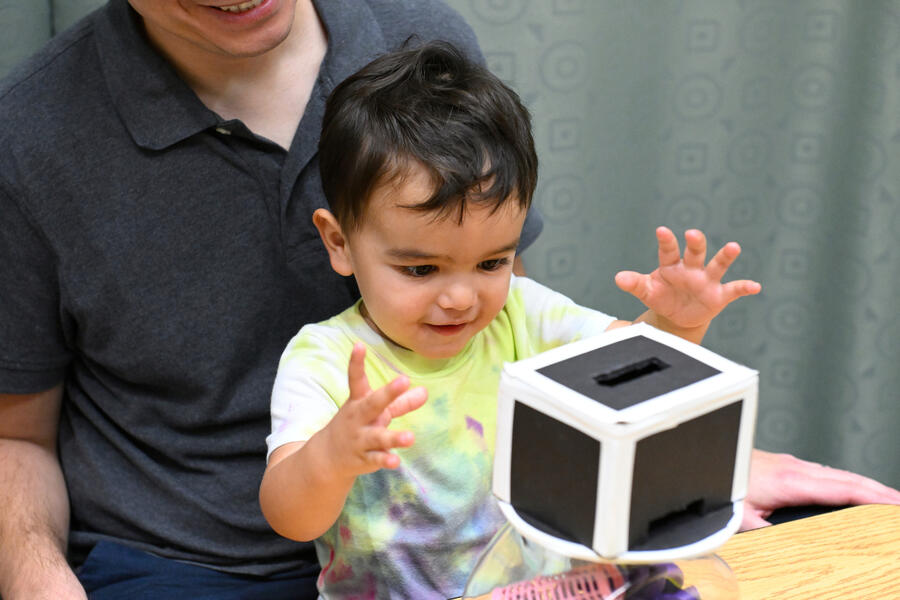
Toddlers start with easy actions. They press buttons, pull levers, or shake toys. Then, they watch what happens next. A light might turn on. A sound might play. These simple reactions teach toddlers that their actions cause changes. They repeat these actions to see the effect again.
At first, toddlers may not connect the action to the reaction. With time, they begin to understand the link. This understanding grows as they try different toys. Each new toy adds to their knowledge of cause and effect.
Toys That Respond To Touch
Toddlers love toys that react to their touch. Toys with buttons, switches, or sensors give quick feedback. They might flash, sing, or move. This immediate response helps toddlers learn fast.
Touch-responsive toys encourage exploration and curiosity. Toddlers learn that their touch makes things happen. This builds their confidence in interacting with the world. These toys support early learning by connecting actions to results.
Developing Problem-solving Skills
Toddlers start learning how toys work by solving small problems. This stage helps build their thinking skills. They explore and test different ways to use toys. Each attempt teaches them something new.
Problem-solving grows as toddlers try to understand shapes, buttons, and cause-effect actions. This learning is key for their brain development. They become curious and confident in handling toys.
Manipulating Shapes And Buttons
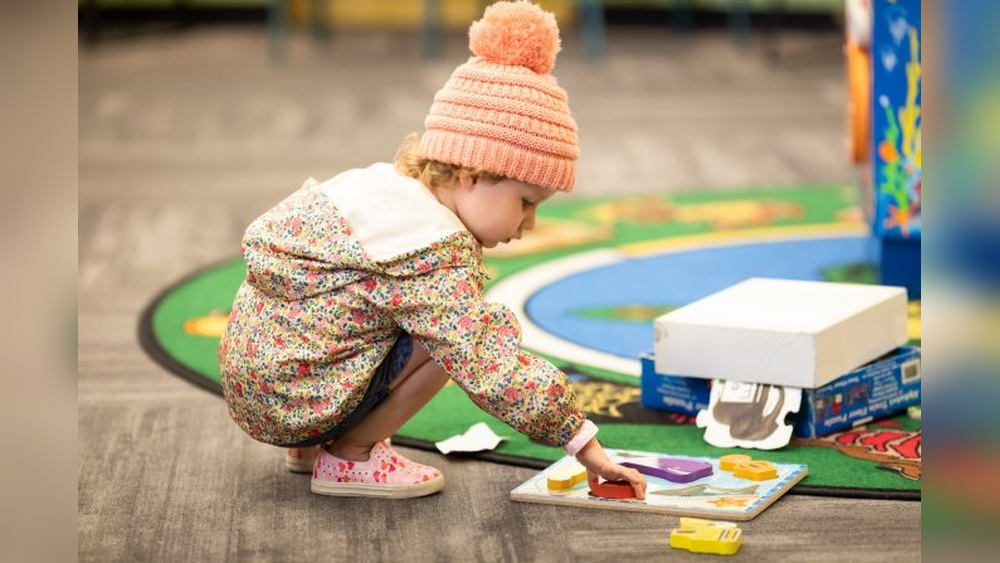
Toddlers enjoy fitting shapes into matching holes. This activity helps them recognize shapes and sizes. Pressing buttons to see lights or sounds teaches cause and effect. They learn that actions can create reactions.
Trying different shapes helps toddlers improve hand-eye coordination. They begin to predict what will happen next. This skill is a basic form of problem-solving.
Trial And Error Play
Toddlers often try different ways to make toys work. They push, pull, and twist parts to explore results. Sometimes they fail, but they keep trying. This trial and error process helps them learn quickly.
Each failure is a new lesson. Toddlers start to understand which actions lead to success. This method strengthens their memory and reasoning skills.
Role Of Imitation In Learning
Imitation plays a key role in how toddlers learn about toys. Toddlers watch and copy actions. This helps them understand how toys work. They learn by seeing others use toys. Then, they try to do the same. This process builds their skills and knowledge.
Watching Adults And Peers
Toddlers often watch adults and other children closely. They see how toys are held, moved, and played with. This observation shows them what to do. Toddlers notice simple actions like pressing buttons or spinning wheels. Watching helps toddlers form ideas about toy use. They learn what to expect from toys and how to make them work.
Mimicking Actions With Toys
After watching, toddlers try to copy the actions themselves. They press buttons, push parts, or shake toys. This hands-on practice helps them learn quickly. Mimicking builds hand-eye coordination and fine motor skills. Toddlers test their ideas about toys by trying different ways to use them. This active learning helps toddlers understand cause and effect with toys.
Milestones Between 12 To 24 Months
Between 12 to 24 months, toddlers begin to explore how toys work in simple ways. This stage is full of discovery and learning. They start to notice what happens when they press, pull, or shake a toy. Their curiosity grows, and so does their ability to understand basic toy functions.
Toddlers develop important skills during this time. These skills help them learn about cause and effect. They also improve their hand-eye coordination and problem-solving abilities. Watching a child play with toys during this stage reveals many exciting milestones.
Understanding Simple Mechanisms
Toddlers start to see how basic parts of a toy move. They may push a button to hear a sound or slide a piece to open a door. These actions help them connect their movements to results. Simple gears, levers, and wheels become more interesting. Children learn that toys work in certain ways because of these parts.
At this stage, toddlers try to repeat actions that give fun results. They begin to understand that toys have parts that do things. This understanding builds the foundation for more complex play later.
Engaging With Cause-effect Toys
Cause-effect toys are perfect for toddlers aged 12 to 24 months. These toys respond to actions like pushing, pulling, or shaking. Toddlers quickly learn that their actions create effects. For example, pressing a button might make a light flash or a sound play.
This interaction teaches toddlers about their power to control objects. It also encourages curiosity and persistence. When they see the result of their action, they feel excited and motivated to explore more.
Advancing Toy Interaction After Two Years
After the age of two, toddlers begin to explore toys in new ways. Their curiosity grows, and they start to understand how toys work. This stage shows a big step in their learning and play skills.
They no longer just push buttons or pull levers by chance. Instead, they try to see what happens when they use toys in different ways. This time is important for their development.
Complex Toy Functions
Toddlers start to figure out toys with more parts and features. They learn to open, close, twist, and move pieces correctly. Toys like shape sorters, simple puzzles, and building blocks become more interesting.
They enjoy testing cause and effect, like pressing a button to hear sounds. This helps improve their problem-solving skills and hand-eye coordination. Toys that respond to their actions keep them engaged longer.
Creative And Imaginative Play
Play becomes more imaginative after two years. Toddlers use toys to tell stories and act out scenes. Dolls, cars, and animal figures become tools for pretend play.
They imitate daily life and create new scenarios. This kind of play helps language skills and social understanding. It also encourages creativity and emotional growth.
Factors Influencing Toy Understanding
Toddlers learn how toys work at different speeds. Several factors affect how and when they understand toys. These factors shape their play and learning experiences. Knowing these helps parents choose the right toys and support their child’s growth.
Individual Development Pace
Each toddler grows and learns at their own speed. Some children figure out toy functions quickly. Others take more time to explore and experiment. Brain development, motor skills, and curiosity vary in every child. These differences affect how toddlers understand toys. Patience is important as they discover new skills.
Parental Involvement And Guidance
Parents play a big role in teaching about toys. Showing how a toy works makes learning easier. Talking about the toy’s parts and actions helps toddlers connect ideas. Playing together encourages questions and tries. Positive guidance builds confidence and interest in exploring toys. Simple instructions and shared playtime boost understanding.
Choosing Toys To Support Learning
Choosing toys to support learning helps toddlers understand how things work. Toys can teach cause and effect, problem-solving, and fine motor skills. The right toys make playtime both fun and educational. Careful selection boosts a child’s curiosity and growth.
Age-appropriate Selection
Choose toys that match a toddler’s age and skills. Toys too hard may cause frustration. Toys too easy might not hold interest. Look for toys labeled for specific age groups. Simple puzzles, stacking blocks, and shape sorters are good choices for young toddlers.
Age-appropriate toys help children explore safely. They build confidence and promote learning step by step. These toys encourage toddlers to try new things without feeling overwhelmed.
Encouraging Exploration And Discovery
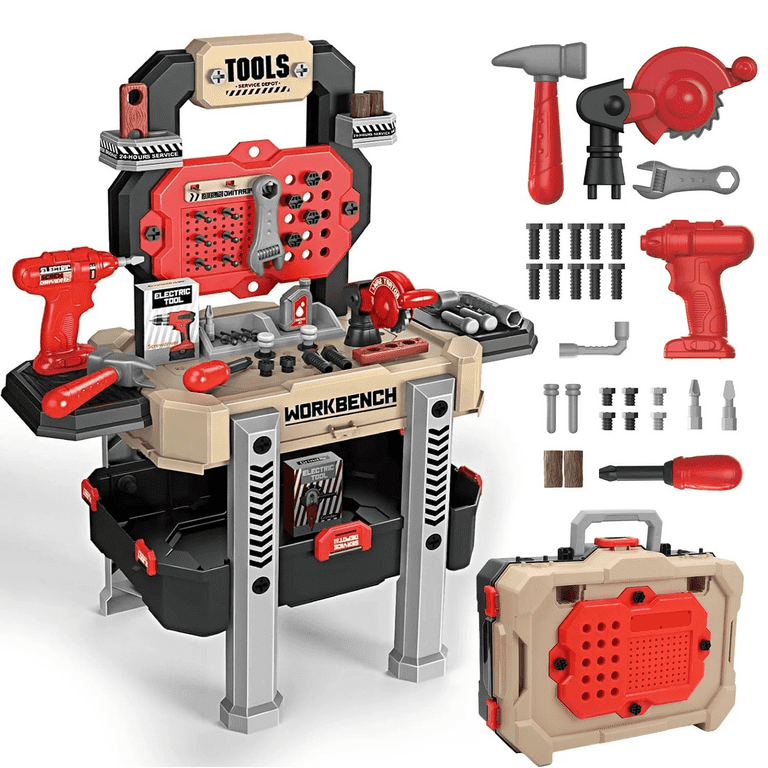
Select toys that invite hands-on play. Toys with buttons, levers, or wheels encourage cause and effect learning. Open-ended toys allow toddlers to use imagination and experiment. Toys that respond to actions teach toddlers how things work.
Exploration helps toddlers learn through trial and error. Discovery strengthens thinking and problem-solving skills. Toys that offer different ways to play keep toddlers engaged longer.

Credit: www.robotimeonline.com
Frequently Asked Questions
When Do Toddlers Start Exploring How Toys Work?
Toddlers begin exploring toy functions around 12 to 18 months. They use trial and error to learn cause and effect. This exploration helps develop cognitive and motor skills crucial for understanding mechanics.
How Do Toddlers Learn To Use Interactive Toys?
Toddlers learn by watching, mimicking, and experimenting with interactive toys. Repetition and parental guidance improve their understanding of buttons, levers, and sounds. This hands-on play enhances problem-solving and hand-eye coordination.
What Signs Show Toddlers Understand Toy Mechanics?
Signs include pressing buttons deliberately, assembling parts, and anticipating toy reactions. Toddlers start predicting outcomes after repeated play. These behaviors indicate growing cognitive skills and curiosity about how things work.
Can Playtime Improve Toddlers’ Understanding Of Toys?
Yes, active playtime boosts toddlers’ cognitive and motor skills. Engaging with varied toys encourages exploration and learning. Playtime fosters creativity and helps toddlers grasp cause-and-effect relationships effectively.
Conclusion
Toddlers begin to understand toys around their first year. They learn by watching and trying to use toys. Simple toys with buttons or shapes help them explore. This learning grows as toddlers play more every day. Parents can support by offering safe, easy toys.
Watching your child play reveals how they think. Patience and fun make this learning time special. Toys become tools for young minds to grow. Understanding toys is part of wider learning steps. Keep encouraging your toddler’s curiosity and play often.
