
Have you ever noticed your little one lining up blocks by color or shape? It’s a special moment when toddlers start sorting toys.
This skill shows more than just play—it reveals how their brain is growing and learning to organize the world around them. Understanding when and why your toddler begins sorting can help you support their development in fun and meaningful ways.
Keep reading to discover the signs to watch for, why this milestone matters, and how you can encourage your child’s natural curiosity. Your journey to unlocking your toddler’s potential starts here.

Credit: www.amazon.com
Early Signs Of Sorting
Early signs of sorting show how toddlers start to understand the world. Sorting helps them learn differences and similarities. It also builds their thinking and motor skills. Parents and caregivers can notice these signs during playtime. Watching toddlers sort toys reveals important stages of their growth.
Age Range For First Sorting Attempts
Toddlers often begin sorting between 12 and 18 months. Some may start a little earlier or later. At this age, children show interest in grouping objects. They usually sort by color, shape, or size. Sorting is simple at first. It becomes more complex as toddlers grow.
Common Sorting Behaviors In Toddlers
At first, toddlers put toys in containers or piles. They might match blocks by color or stack rings by size. Dropping toys into boxes is a common sorting action. Toddlers also enjoy taking objects apart and putting them back together. These behaviors show early problem-solving skills. Sorting helps toddlers feel in control and explore cause and effect.
Types Of Sorting Skills
Toddlers begin to develop different sorting skills as they grow. Sorting helps them understand the world better. It also improves their thinking and hand-eye coordination. These skills usually start between 18 and 24 months. Toddlers learn to sort toys by color, shape, and size. Each type of sorting skill builds on what they know.
Sorting by color is often the first skill they learn. Then, they move on to sorting by shape and size. These activities keep children curious and focused. They also make learning fun and simple.
Sorting By Color
Sorting toys by color is an easy way for toddlers to start grouping objects. Bright colors catch their attention quickly. Toddlers begin to match toys of the same color together. This skill helps them recognize different colors. It also teaches them to notice small differences.
Sorting By Shape
Sorting by shape is a bit harder than sorting by color. Toddlers learn to group round, square, or triangle toys. This skill improves their ability to see and compare shapes. It also helps with hand-eye coordination. Sorting shapes often comes after color sorting.
Sorting By Size
Sorting toys by size teaches toddlers about big and small. They learn to arrange objects from largest to smallest or the other way around. This skill helps children understand measurement and comparison. Sorting by size also prepares them for math concepts later on.
Developmental Benefits
Sorting toys is more than just play for toddlers. It helps their brain and skills grow in many ways. This activity supports different areas of development. Each time toddlers sort toys, they learn and practice new skills. These skills prepare them for future learning and daily tasks.
Cognitive Growth
Sorting toys helps toddlers understand how things are alike or different. They learn to group items by color, shape, or size. This strengthens their thinking and memory skills. It also builds their ability to focus on a task. These are important skills for school and life.
Fine Motor Skills
Picking up and sorting small toys improves hand control. Toddlers practice using their fingers and hands together. This helps with writing and using tools later on. Moving toys from one place to another also builds hand-eye coordination. These small movements are key for everyday activities.
Problem-solving Abilities
Sorting toys encourages toddlers to think and make choices. They figure out where each toy belongs. This helps them learn to solve simple problems. Toddlers also learn to plan and organize their actions. These skills help with decision-making and independence later.

Credit: blog.lovevery.com
Encouraging Sorting Play
Encouraging sorting play helps toddlers learn about shapes, colors, and sizes. It builds their thinking and motor skills. Parents can support this by providing the right tools and activities. Making sorting fun keeps toddlers interested and eager to explore.
Choosing Suitable Toys
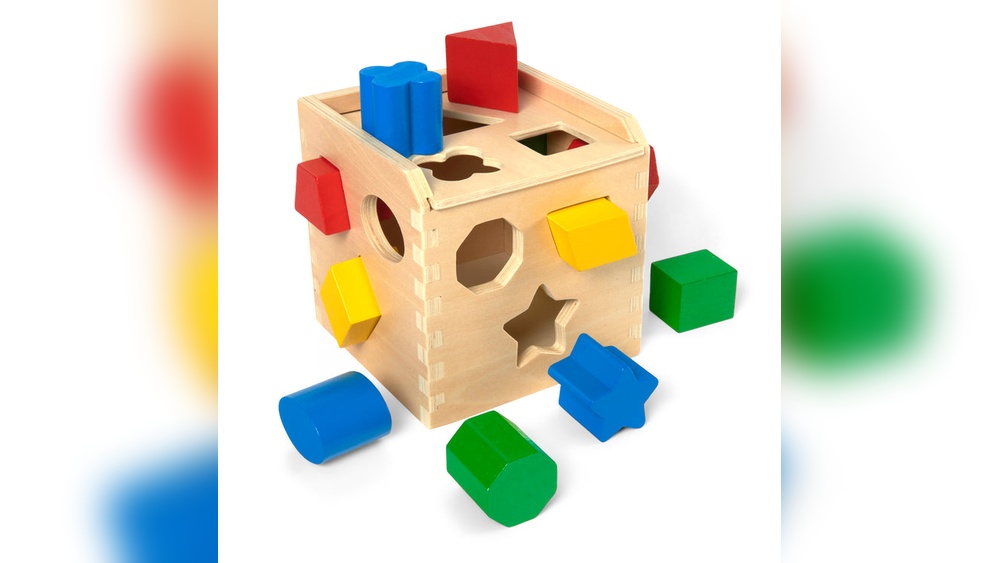
Select toys that are safe and easy to handle. Simple blocks, cups, or shape sorters work well. Toys with bright colors attract toddlers’ attention. Avoid small pieces that could cause choking. Choose items that vary in size and color for better sorting practice.
Creating Sorting Activities
Set up clear and simple sorting tasks. Use bowls or trays to separate groups of toys. Ask toddlers to group toys by color or shape. Make it a playful challenge, not a test. Praise their effort to encourage more sorting play.
Incorporating Sorting In Daily Routine
Turn everyday moments into sorting opportunities. Sort laundry by color or socks by pairs. Organize utensils by size or type during mealtime. Involve toddlers in tidying up their toys. This helps them see sorting as a normal, fun activity.
Challenges And Variations
Sorting toys is a key skill toddlers develop, but it varies a lot. Some children start early, while others take more time. Many factors affect how and when toddlers learn to sort. Challenges can arise due to different growth rates and abilities. Understanding these differences helps parents support their child better.
Individual Differences In Milestones
Every toddler develops at their own pace. Some begin sorting toys as early as 18 months. Others may not show this skill until closer to age 3. These differences are normal. Factors such as interest, environment, and practice play a role. Parents should watch for gradual progress, not exact ages.
Signs Of Delayed Sorting Skills
Toddlers who struggle with sorting may show certain signs. They might have trouble recognizing shapes or colors. Difficulty grouping similar items is common. Lack of interest in sorting activities can also be a signal. These signs do not always mean a serious problem, but they need attention.
When To Seek Professional Advice
If a child shows no interest in sorting by age 3, it is wise to ask for help. Delays in sorting may link to other developmental issues. Professionals like pediatricians or therapists can assess the child. Early support can improve skills and confidence. Trust your instincts and consult experts when needed.

Credit: www.walmart.com
Frequently Asked Questions
When Do Toddlers Typically Start Sorting Toys?
Toddlers usually begin sorting toys around 18 to 24 months old. At this stage, they develop better hand-eye coordination and cognitive skills.
What Skills Help Toddlers Sort Toys Effectively?
Sorting toys improves toddlers’ fine motor skills, problem-solving, and color recognition. These skills develop gradually between 1 and 2 years.
How Can Parents Encourage Toy Sorting In Toddlers?
Parents can encourage sorting by providing colorful, shape-based toys. Simple sorting games and praise motivate toddlers to practice and learn.
Why Is Toy Sorting Important For Toddler Development?
Toy sorting enhances cognitive growth, hand dexterity, and visual perception. It also fosters early math skills like categorization and pattern recognition.
Conclusion
Toddlers usually start sorting toys around 18 to 24 months. This skill helps them learn about shapes, colors, and sizes. Sorting also boosts their thinking and problem-solving skills. Parents can support this by offering simple sorting toys. Watching toddlers sort toys shows how they explore and understand the world.
Every child grows at their own pace. Keep encouraging and be patient during this learning stage. Sorting toys is a fun and important part of early development. It lays a strong foundation for future learning and creativity.
