
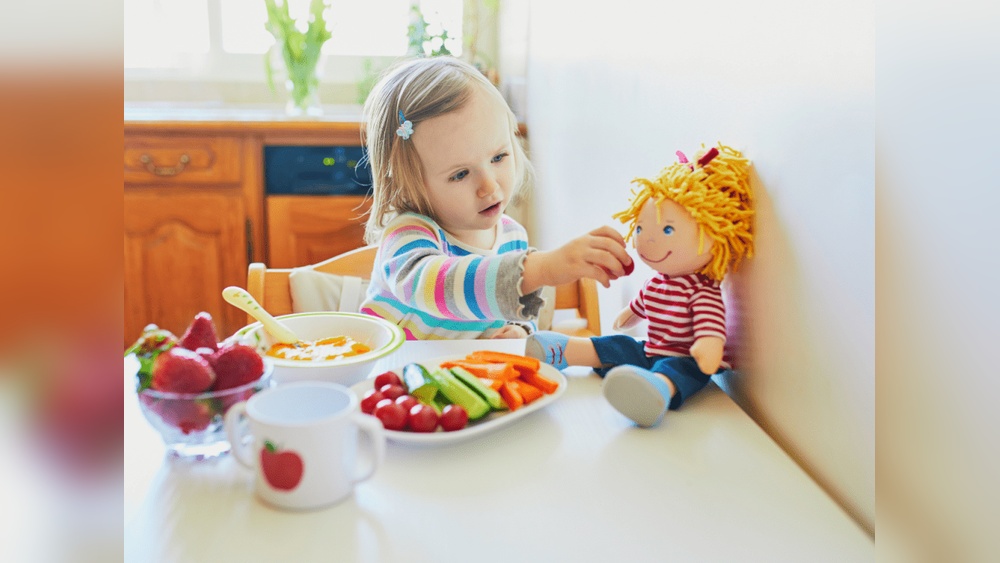
Have you ever watched your toddler pick up a toy and suddenly act like it’s something else entirely? Maybe a block becomes a phone, or a doll starts having a pretend tea party.
You might wonder, “When do toddlers start pretend play with toys? ” Understanding this exciting stage can help you support your child’s growth and creativity. You’ll discover the signs to look for, why pretend play matters, and how you can encourage your little one to dive into imaginative worlds.
Keep reading to unlock the magic behind your toddler’s playtime!
Early Signs Of Pretend Play
Pretend play is a big step in a toddler’s growth. It shows their mind is learning to imagine and understand the world. Parents often wonder when this starts. Early signs help spot this fun and creative phase.
These signs appear in small, simple actions. Toddlers begin to copy adults and use objects in new ways. Watching these moments gives clues about their pretend play skills.
Simple Imitation Behaviors
Toddlers start by copying what they see adults do. They may pretend to talk on a phone or stir a pot. These actions are early pretend play. It shows they understand daily routines.
Imitation is more than copying. It means toddlers try to use things as adults do. This skill grows as they practice and explore.
Interest In Everyday Objects
Objects like spoons, boxes, or cups become toys in pretend play. Toddlers use these items as if they have a special meaning. A block might become a car or a phone.
This interest shows creativity. Toddlers learn to see objects beyond their usual use. It is a key step in pretending and storytelling.
Typical Age For Pretend Play
Pretend play is a key part of toddler growth. It helps children learn about the world. They use toys to act out stories and ideas. This type of play starts at different times for each child. Knowing the typical age helps parents and caregivers support this skill.
Emergence Around 12 To 18 Months
Toddlers begin simple pretend play between 12 and 18 months. At first, they might use a toy phone to “talk.” Or they may pretend to feed a doll or stuffed animal. These early actions show the start of imagination. The play is often short and basic. Toddlers explore how things work through these acts.
Development By 2 Years Old
By age two, pretend play becomes more complex. Toddlers start using toys in creative ways. They might pretend a block is a car or a spoon is a microphone. This shows growing thinking and language skills. They also begin role-playing, like pretending to cook or clean. These actions help build social and emotional skills.
Common Pretend Play Activities
Pretend play helps toddlers learn about the world around them. It lets them use their imagination and try new ideas. Toddlers enjoy many types of pretend play activities. These activities help build their language and social skills. Play also supports problem-solving and creativity.
Many pretend play activities involve toys that toddlers can relate to. These toys help children act out everyday roles and experiences. Watching toddlers play with these toys gives parents a glimpse into their thoughts and feelings.
Role-playing With Dolls And Action Figures
Toddlers love playing with dolls and action figures. They pretend the toys are real people or animals. They create stories and act out simple events. This kind of play helps toddlers practice talking and sharing emotions. They learn how to care for others and solve small problems.
Playing with dolls encourages empathy. Toddlers understand feelings by imagining how the doll feels. Action figures allow kids to explore adventures and challenges. Both toys invite creative thinking and storytelling.
Using Toy Phones And Kitchen Sets
Toy phones and kitchen sets are popular pretend play tools. Toddlers mimic adults by talking on toy phones. They learn social skills like greeting and asking questions. These toys also teach basic communication and manners.
Kitchen sets let toddlers copy cooking and cleaning. They pretend to make meals and serve family members. This play improves fine motor skills and hand-eye coordination. It also helps toddlers understand daily routines.

Credit: www.amazon.com
Factors Influencing Pretend Play
Pretend play is a key part of toddler development. It helps children use their imagination and learn new skills. Several factors influence when and how toddlers start playing pretend with toys. Understanding these factors can help parents support their child’s growth effectively.
Parental Interaction And Encouragement
Parents play a big role in encouraging pretend play. Talking and playing with toddlers helps them learn how to use toys creatively. When parents join in, children feel more confident to try new ideas. Simple actions like asking questions or making up stories boost pretend play skills. Consistent attention and praise make toddlers want to explore more.
Availability Of Toys And Environment
The types of toys and the play space impact pretend play. Open-ended toys like blocks, dolls, or kitchen sets invite imaginative use. A safe, quiet, and comfortable area helps toddlers focus on play. Too many toys or distractions can reduce pretend play time. A well-organized space with accessible toys encourages toddlers to experiment and invent stories.
Benefits Of Pretend Play
Pretend play is more than just fun for toddlers. It plays a big role in their growth. Through pretend play, children learn about the world around them. They also practice new skills. This type of play helps build their brain and heart. It sets a strong base for learning and social life.
Enhancing Creativity And Imagination
Pretend play lets toddlers use their imagination freely. They create stories and act out roles. This type of play boosts their creativity. It helps them think in new ways. They learn to solve problems by imagining different scenarios. Pretend play also teaches kids to explore ideas without limits.
Building Social And Emotional Skills
Playing pretend teaches toddlers how to share and take turns. They learn to understand other people’s feelings. This helps them develop empathy. Pretend play also improves communication skills. Kids practice talking and listening during play. These skills help them in real-life friendships and teamwork.

Credit: blog.lovevery.com
Encouraging Pretend Play At Home
Pretend play helps toddlers learn and grow. It boosts their imagination and language skills. Parents can make home a fun place for pretend play. Simple steps help children enjoy creative moments daily.
Giving kids space and the right tools encourages them to explore ideas. Watch how toddlers start using toys in new ways. Join them, and play becomes a special time for both.
Choosing Open-ended Toys
Open-ended toys have many uses. Blocks, dolls, and kitchen sets invite creativity. Toddlers decide what to do with these toys. No strict rules limit their play. This freedom helps ideas flow freely. Toys like these keep children interested longer. They learn problem-solving and new words while playing.
Joining In And Modeling Play
Parents can join pretend play to guide toddlers. Show how to use toys in different ways. Act out simple scenes like cooking or caring for a doll. Use clear and slow words to describe actions. Toddlers copy and learn new skills. Your participation makes play feel safe and fun. It also strengthens the parent-child bond.

Credit: blog.lovevery.com
Frequently Asked Questions
When Do Toddlers Usually Start Pretend Play?
Toddlers often begin pretend play between 18 and 24 months. This stage marks growing imagination and cognitive skills. Pretend play helps develop language and social abilities. Parents can encourage it by providing simple toys and joining in play sessions.
What Types Of Toys Encourage Pretend Play?
Toys like dolls, toy animals, kitchen sets, and blocks inspire pretend play. These toys allow toddlers to mimic real-life activities. They help children explore roles and scenarios creatively. Selecting age-appropriate and safe toys boosts engagement and imagination.
How Does Pretend Play Benefit Toddler Development?
Pretend play improves creativity, problem-solving, and social skills. It enhances language development and emotional understanding. Playing pretend also supports cognitive growth and memory. Encouraging this play type fosters well-rounded development in toddlers.
Can Parents Influence Toddlers’ Pretend Play?
Yes, parents can guide pretend play by joining and suggesting ideas. They can introduce new themes and role models. Positive interaction boosts toddlers’ confidence and creativity. Active participation strengthens parent-child bonds during playtime.
Conclusion
Toddlers usually begin pretend play around age two. They start using toys to act out simple stories. This play helps develop their imagination and thinking skills. Parents can encourage pretend play by offering safe, fun toys. Watching toddlers play shows how they learn about the world.
Pretend play grows as children get older and more curious. It is an important step in early childhood development. Supporting this play fosters creativity and social skills. Enjoy these moments—they show your child’s growing mind and joy.
