
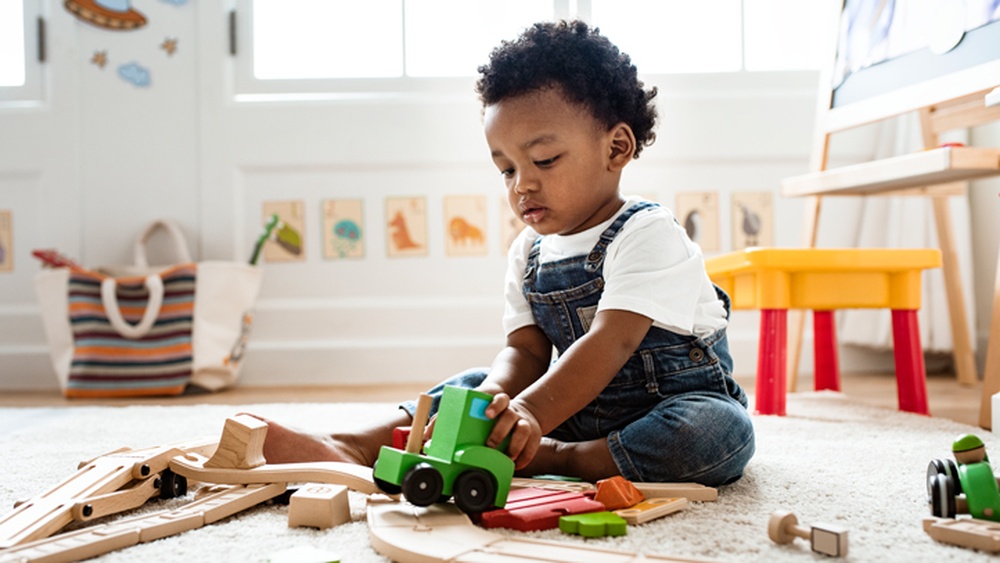
Have you ever wondered when your toddler will start playing with toys all by themselves? Watching your little one explore on their own is an exciting milestone.
It shows they are growing, learning, and gaining confidence. But exactly when does this happen? Knowing the signs and timing can help you support your child’s development and make playtime even more fun. Keep reading to discover when toddlers begin independent play and how you can encourage it every step of the way.
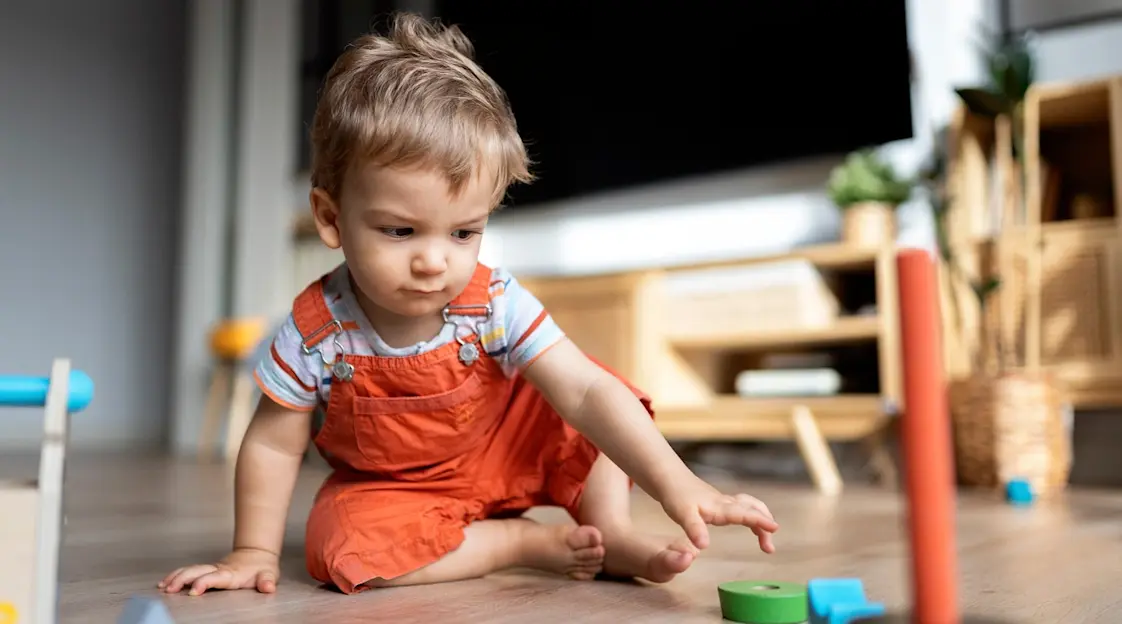
Credit: www.thebump.com
Early Interest In Toys
Toddlers begin to show interest in toys very early. Their curiosity drives them to explore new objects. This stage is important for their growth and learning. Understanding how toddlers interact with toys helps parents support their development. Early interest in toys marks the start of independent play.
Exploring Objects With Hands And Mouth
Toddlers use their hands to touch and feel toys. They squeeze, shake, and turn objects to learn about them. Their mouths also explore toys, as tasting is part of discovery. This behavior helps toddlers understand texture and shape. It is a natural way for them to learn about the world.
Recognizing Favorite Toys
As toddlers grow, they start to recognize certain toys. These favorites bring comfort and joy. They often reach for the same toy again and again. This shows their memory and preference developing. Favorite toys encourage longer, more focused play sessions.
Developing Motor Skills
Developing motor skills plays a big role in when toddlers start playing with toys on their own. These skills help them use their hands and fingers to explore objects. As toddlers grow, their ability to move and control their hands improves. This progress allows them to enjoy toys independently and learn from play.
Grasping And Holding Toys
At first, toddlers learn to grasp toys with their whole hand. They squeeze and hold objects tightly. This helps them feel different shapes and sizes. Over time, their grip becomes stronger and more precise. They start using fingers to pick up small toys. This skill is important for playing without help.
Manipulating Shapes And Textures
Toddlers begin to explore toys by touching and moving parts. They turn, push, and pull pieces of toys. Feeling different textures helps them understand the world. Soft, hard, smooth, or rough surfaces excite their senses. This play helps improve hand-eye coordination. Toddlers learn to solve simple puzzles by matching shapes.
Signs Of Independent Play
Toddlers start showing signs of playing with toys on their own as they grow. Independent play means they can enjoy toys without needing help. This skill is important for their brain and emotional growth. Parents and caregivers can spot these signs to understand the child’s development stage.
Watching closely helps identify moments when toddlers engage in play by themselves. These moments might be short but meaningful. They show the child’s curiosity and ability to focus. Recognizing these signs supports healthy learning habits.
Short Periods Of Solo Play
Toddlers begin playing alone for brief times. They might choose a toy and focus on it quietly. These moments last from a few seconds to several minutes. This shows the child is starting to enjoy being on their own. It also means they feel safe and confident.
Parents may notice the toddler sitting with blocks or a stuffed animal. The child explores the toy without needing adult help. This is a clear sign of growing independence. It helps build attention skills and imagination.
Engaging In Repetitive Actions
Toddlers often repeat the same actions with toys. For example, stacking blocks or rolling a car back and forth. This repetition helps them learn cause and effect. It also improves hand-eye coordination.
Repeating play activities shows toddlers are focused and interested. They test how things work by doing the same thing again and again. This behavior is a key step toward independent play. It shows they understand the toy and enjoy exploring it alone.

Credit: busytoddler.com
Cognitive Growth And Play
Toddlers begin to play with toys on their own as their brains develop. This stage shows important growth in how they think and learn. Play helps toddlers explore the world and understand new ideas. It also supports skills like memory, attention, and creativity.
During independent play, toddlers try to solve problems and imagine new stories. These activities boost their brainpower and help them grow smarter every day. Toys are tools that guide this learning and make it fun.
Problem Solving With Toys
Toddlers use toys to figure out how things work. They learn cause and effect by stacking blocks or fitting shapes into puzzles. This process builds their thinking and reasoning skills. Trying again after failure teaches persistence. Each challenge helps toddlers understand solutions better.
Imaginative Play Emergence
Imaginative play starts as toddlers create pretend worlds. They use toys as characters or objects in stories. This kind of play improves language and social skills. Toddlers practice expressing feelings and ideas. It also encourages creativity and flexible thinking.
Social Influences On Play
Toddlers learn a lot by watching and being around others. Social influences play a big role in how they start to play on their own. Seeing how others use toys encourages toddlers to try new things. They also pick up on ideas and ways to play by spending time with friends or family. These social moments help toddlers grow their skills and creativity.
Observing Others Play
Toddlers watch older children and adults closely. They notice how others handle toys and what they do with them. This watching helps toddlers understand how toys work. They copy actions like stacking blocks or rolling cars. This imitation is a key step toward playing alone.
Playing Alongside Peers
Playing near other kids is common for toddlers. They may not share or play together yet. But being close to peers sparks their interest. Toddlers learn from seeing others play and try to join in. This side-by-side play builds confidence and skills to play independently later.
Encouraging Independent Play
Encouraging independent play helps toddlers learn and grow on their own. It builds confidence and creativity. Toddlers start to explore toys by themselves and develop new skills. Parents can support this by making playtime safe and fun. This encourages children to enjoy playing alone while feeling secure.
Creating A Safe Play Environment
Safety is key for independent play. Clear the area of sharp or small objects. Use soft mats or carpets to cushion falls. Keep toys within easy reach. This lets toddlers explore without help. A safe space reduces worry for parents and kids. It gives toddlers freedom to play and learn.
Choosing Age-appropriate Toys
Select toys that match the toddler’s age and skills. Simple puzzles, blocks, and stacking cups work well. Avoid toys with small parts to prevent choking. Toys should be colorful and easy to handle. Age-appropriate toys keep toddlers interested longer. They help develop motor skills and problem-solving.
Common Challenges
Helping toddlers play with toys alone can be tricky. They face some common challenges. Understanding these issues helps parents support their child’s growth better.
Short Attention Spans
Toddlers often switch from one toy to another quickly. Their attention lasts only a few minutes. This is normal as their brains develop. They need simple toys that hold interest briefly. Parents can offer different toys to keep play fun. Patience is key during this stage.
Seeking Adult Interaction
Toddlers love playing with adults nearby. They want attention and company while exploring toys. Sometimes, they stop playing alone to get a parent’s focus. This need shows their growing social skills. Parents can join briefly, then step back. This encourages toddlers to try playing independently again.
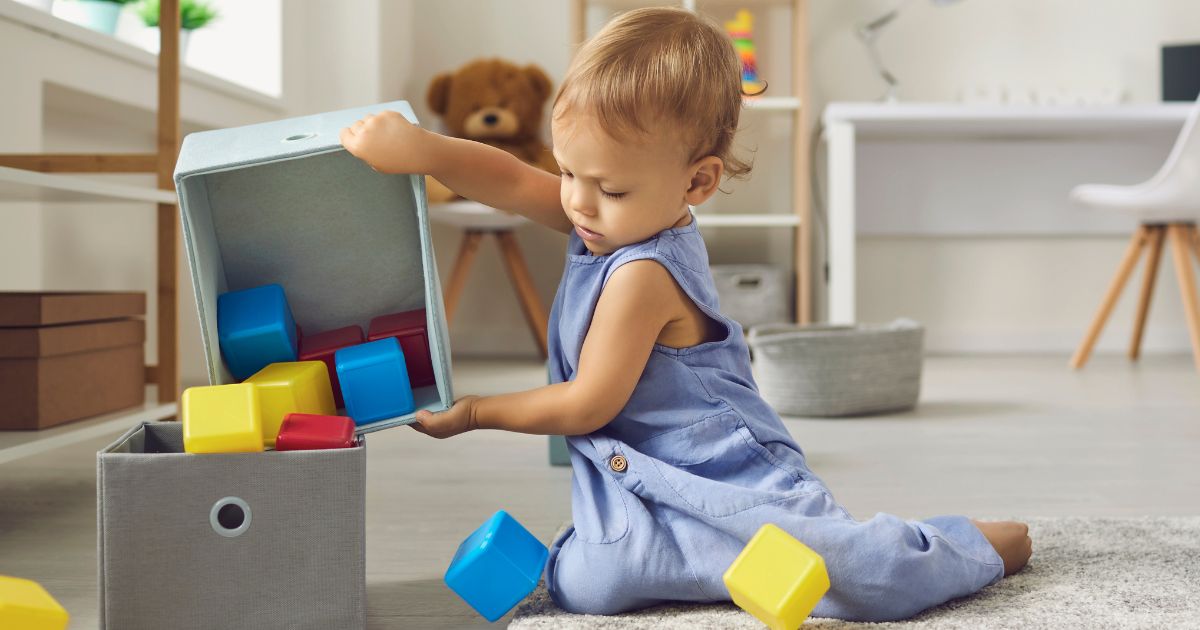
Credit: selfsufficientkids.com
Tracking Milestone Timelines
Tracking milestone timelines helps parents understand their toddler’s play development. Each child grows at their own pace, but typical patterns show when independent play usually starts. Knowing these timelines supports early encouragement and helps spot any delays early.
Parents can observe how their toddler interacts with toys daily. Watching these changes over weeks gives a clearer picture of progress. Milestones guide parents on what to expect and when to seek advice.
Typical Age Ranges For Play Skills
Toddlers usually begin playing with toys independently between 12 and 18 months. At this stage, they explore toys by touching, shaking, or banging them. By 18 to 24 months, toddlers start using toys in simple pretend play. They may push cars or feed dolls without help.
Between 24 and 36 months, play becomes more complex. Toddlers stack blocks, sort shapes, and follow simple game rules alone. They show more focus and can play with toys for longer periods. This development shows growing attention and creativity.
When To Consult A Specialist
Consult a specialist if your toddler rarely plays alone by 18 months. Lack of interest in toys or difficulty using them might signal a delay. Also, if your child avoids eye contact or shows little response to their name, seek advice.
Early evaluation helps address any challenges quickly. Specialists can provide strategies to support your child’s growth. Timely help ensures your toddler gets the best start in play and learning.
Frequently Asked Questions
When Do Toddlers Typically Start Playing Alone With Toys?
Toddlers usually begin independent play between 12 to 18 months. This stage helps develop their creativity and confidence. Early solo play is brief but increases as they grow.
How Can Parents Encourage Independent Toy Play?
Parents can encourage solo play by providing safe, age-appropriate toys. Setting a calm environment and gradually increasing playtime helps toddlers build independence and focus.
What Types Of Toys Promote Independent Play For Toddlers?
Simple puzzles, stacking blocks, and sensory toys promote solo play. These toys engage toddlers’ curiosity and fine motor skills, making independent play enjoyable and educational.
Is Independent Play Important For Toddler Development?
Yes, independent play is crucial. It fosters problem-solving, imagination, and emotional regulation. It also helps toddlers learn to entertain themselves and build self-confidence.
Conclusion
Toddlers begin playing with toys on their own around 12 to 18 months. This stage shows growing independence and curiosity. Playing alone helps develop focus and creativity. Every child grows at their own pace. Parents can support by offering safe, easy toys.
Watching closely but giving space is important. Independent play builds confidence and learning skills. Enjoy these moments—they are special and short. Keep encouraging your toddler gently and patiently.
