
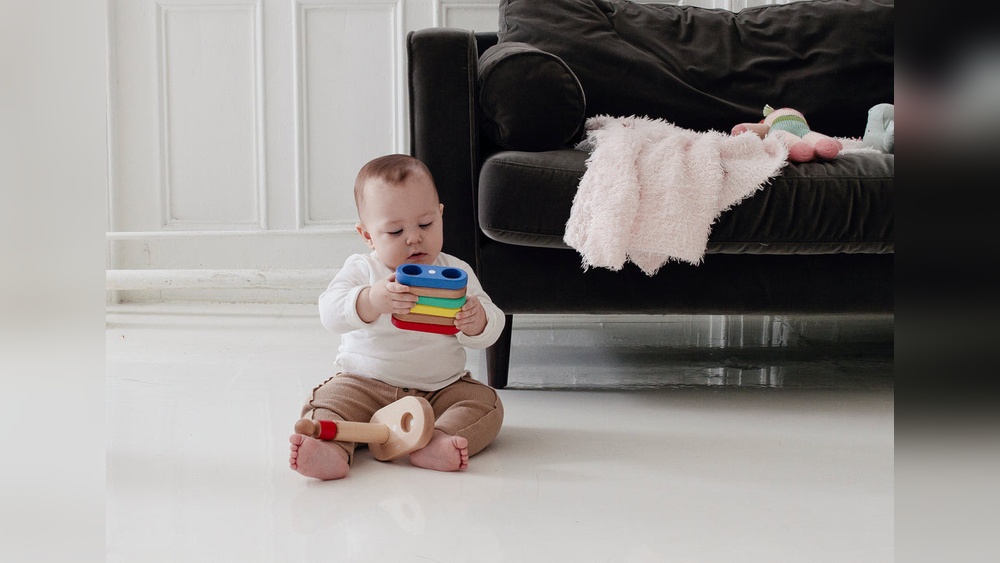
Are you looking for ways to encourage your child to play on their own? Finding the right toys can make all the difference.
Toys that support independent play help your child build confidence, creativity, and problem-solving skills—all while giving you a moment of peace. You’ll discover the best types of toys that keep your little one engaged and happy without constant supervision. Keep reading to find out how you can boost your child’s independence with the perfect playtime companions.
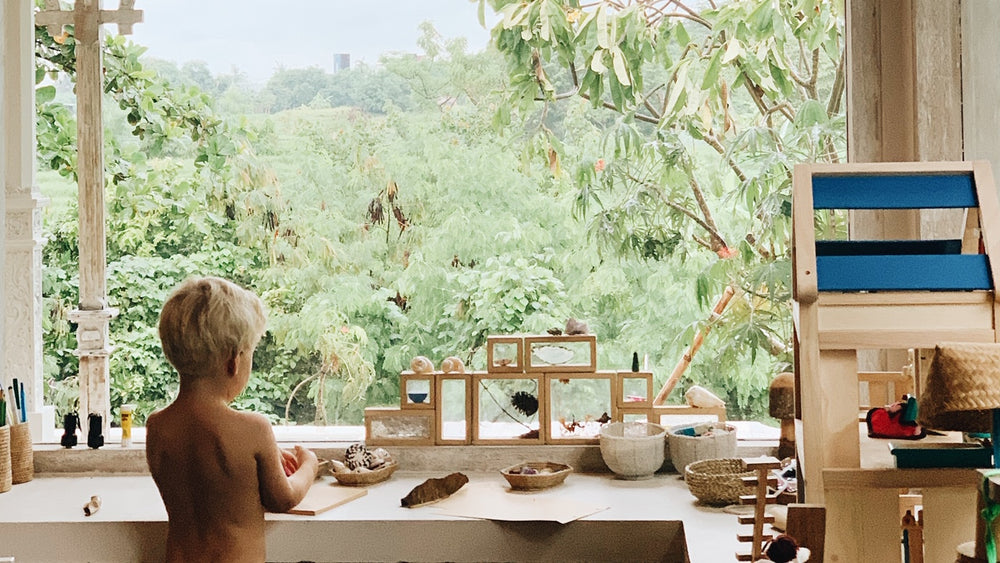
Credit: respectfulmom.com
Benefits Of Independent Play
Independent play helps children grow in many ways. It lets them explore their own ideas and learn at their own pace. This type of play supports brain development and builds important life skills. Kids gain confidence and enjoy their time alone with toys that inspire creativity and problem-solving.
Boosting Creativity
Toys for independent play encourage kids to imagine and create. Simple blocks, art supplies, and building sets let children make their own stories. This freedom sparks new ideas and helps them think in original ways. Creative play also improves focus and patience.
Building Problem-solving Skills
Independent play challenges children to solve puzzles and figure out how things work. Toys like puzzles, shape sorters, and construction kits teach kids to test solutions. These activities improve logical thinking and help kids learn from mistakes. Problem-solving skills grow with every play session.
Encouraging Self-confidence
Playing alone lets kids feel proud of their achievements. Completing a project or solving a puzzle boosts their belief in themselves. This self-confidence helps children try new tasks and face challenges. Independent play builds a strong sense of independence and trust in their abilities.
Criteria For Choosing Toys
Choosing the right toys for independent play is important. The right toy helps children explore, learn, and enjoy time alone. It must fit their needs and abilities. Careful selection encourages creativity and confidence. Safety and fun go hand in hand.
Consider key points before buying toys. These guide you to select items that support growth and fun without frustration.
Age Appropriateness
Toys should match the child’s age and skills. Younger kids need simple toys with big parts. Older kids enjoy more complex toys that challenge their thinking. Age-appropriate toys prevent boredom and keep kids interested. They help avoid frustration or safety risks.
Open-ended Play Options
Choose toys that allow many ways to play. Blocks, art supplies, and dolls encourage imagination. These toys do not have one fixed use. They let children create and explore their ideas. Open-ended toys build problem-solving skills and independence.
Safety And Durability
Safe toys protect children from harm. Check for non-toxic materials and no small parts for toddlers. Durable toys last longer through rough play. Strong toys save money and reduce waste. Always inspect toys for damage before use.
Top Toys For Creative Play
Creative play helps children explore ideas and express themselves. Toys that encourage creativity support independent play and build important skills. These toys invite kids to imagine, build, and solve problems on their own. Here are some top toys that inspire creative play and keep children engaged for hours.
Building Blocks And Construction Sets
Building blocks let kids design and create anything they imagine. These toys improve hand-eye coordination and fine motor skills. Children learn about balance and shapes while building towers or houses. Construction sets offer more complex challenges with gears and connectors. Both types encourage planning and creativity without instructions.
Art Supplies And Craft Kits
Art supplies help children express thoughts through colors and shapes. Crayons, markers, and paints allow free, open-ended play. Craft kits provide materials for making simple projects independently. These toys improve creativity, focus, and fine motor skills. Kids enjoy experimenting with different textures and colors.
Pretend Play And Role-playing Toys
Pretend play toys inspire imagination and storytelling. Dress-up clothes, kitchen sets, and dolls create real-world scenarios. Children practice social skills and problem-solving while playing roles. These toys encourage language development and emotional growth. Playing alone or with friends builds confidence and creativity.
Puzzle And Brain Teasers
Puzzles challenge kids to think and solve problems. Jigsaw puzzles improve spatial awareness and patience. Brain teasers like shape sorters and matching games boost memory and logic. These toys keep children engaged and focused. They develop critical thinking skills in a fun way.
Stem And Educational Toys
STEM toys introduce science, technology, engineering, and math concepts. Kits for building robots or simple machines spark curiosity. Educational games teach basic coding or math skills. These toys promote independent learning and problem-solving. Children gain confidence exploring new ideas through hands-on play.
Diy Toys To Spark Imagination
DIY toys encourage children to use their minds and hands. These toys help kids play alone and stay busy. Creating toys at home saves money and sparks creativity. Kids learn by making and playing with their own toys.
DIY toys are perfect for independent play. They give kids a chance to imagine and build freely. Below are easy ideas for making toys from items at home.
Simple Household Items
Many everyday objects become fun toys. Use empty boxes as castles or cars. Old socks can turn into puppets for stories. Plastic bottles become bowling pins or shakers. These items invite kids to invent new games.
Recycled Materials Projects
Recycling helps the planet and creates toys. Cardboard tubes become telescopes or rockets. Bottle caps make colorful counting games. Egg cartons work well for sorting and stacking. These projects teach kids to reuse and play smart.
Customizable Craft Ideas
Crafts let children add their personal touch. Paper masks, bead bracelets, or painted rocks work well. Kids choose colors and shapes to make toys theirs. Custom toys feel special and keep kids engaged longer.
Tips To Foster Independent Play
Encouraging children to play independently helps them grow confident and creative. Independent play teaches problem-solving and decision-making skills. It also gives kids a sense of freedom and fun.
Here are some easy tips to help children enjoy solo play. These ideas create a positive environment where kids feel safe and interested.
Creating A Dedicated Play Space
Set up a special area just for play. Use soft mats or rugs to make it cozy. Keep toys organized in bins or shelves within reach. This space should feel inviting and safe for kids. A clear play zone helps children focus on their toys.
Setting Playtime Routines
Establish regular times for independent play daily. Predictable routines help kids know what to expect. Start with short periods and increase playtime gradually. Consistency builds a habit and reduces fussiness. Quiet times can encourage children to explore toys alone.
Balancing Guidance And Freedom
Offer help when needed but step back often. Watch quietly from a distance to see how kids play. Let children try new ideas without interrupting. Praise effort and creativity, not just results. This balance supports learning and self-confidence.

Credit: thesltscrapbook.com

Credit: respectfulmom.com
Frequently Asked Questions
What Are The Best Toys For Encouraging Independent Play?
Best toys for independent play are those that spark creativity and problem-solving. Examples include building blocks, puzzles, and art supplies. These toys engage children’s imagination and focus, allowing them to play alone while developing essential skills.
How Do Toys Support A Child’s Independent Play Skills?
Toys support independent play by promoting exploration, creativity, and decision-making. They provide challenges that children solve on their own. This builds confidence and self-reliance, enhancing a child’s ability to entertain themselves without constant adult involvement.
Which Toys Improve Problem-solving During Independent Play?
Toys like puzzles, construction sets, and sorting games improve problem-solving skills. They encourage children to think critically and find solutions independently. These toys also boost cognitive development and maintain engagement during solo playtime.
Are Open-ended Toys Better For Independent Play?
Yes, open-ended toys are ideal for independent play. They allow children to use imagination freely without fixed rules. This flexibility encourages creativity, experimentation, and longer periods of self-directed play.
Conclusion
Choosing the right toys helps children play on their own. Toys like building blocks, puzzles, and art supplies spark creativity. These toys encourage kids to think and solve problems. Independent play builds confidence and focus. Parents can support this by offering simple, safe toys.
Letting children explore alone helps their growth. It also gives parents some quiet time. Small steps lead to big learning. Toys that support independent play make childhood fun and meaningful.
