
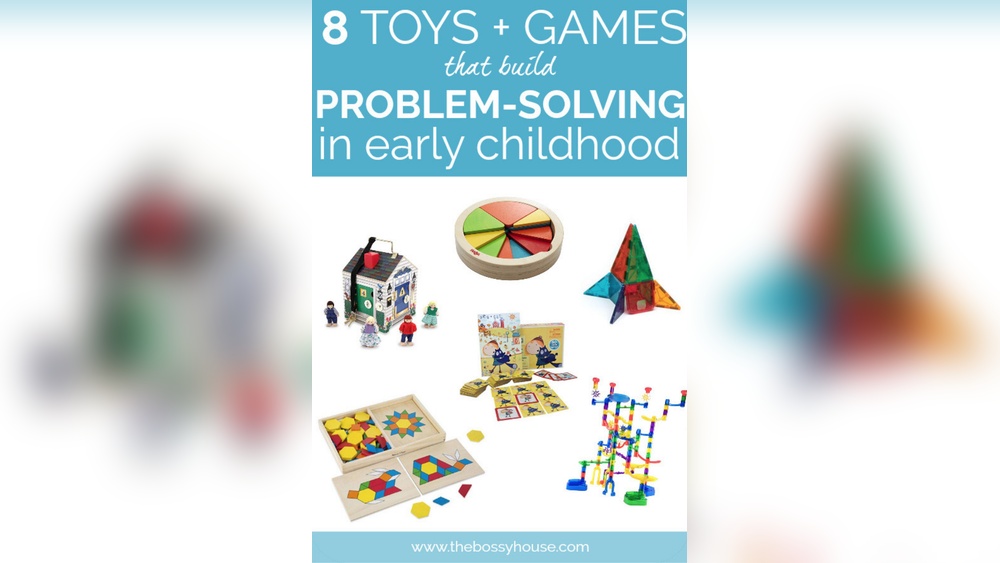
Are you looking for toys that do more than just entertain your child? Toys that actually help your kid think, plan, and solve problems can make a huge difference in their growth.
Imagine your child facing challenges with confidence and creativity because of the right playthings. You’ll discover the best toys that boost problem-solving skills and keep your little one engaged for hours. Ready to find out which toys can turn playtime into brain-building time?
Keep reading—you won’t want to miss these game-changers.

Credit: www.amazon.com
Benefits Of Problem-solving Toys
Problem-solving toys offer many benefits for kids. They help children learn important skills while having fun. These toys encourage thinking, creativity, and patience. Kids develop abilities that help in school and daily life. Understanding these benefits shows why problem-solving toys are valuable.
Cognitive Skill Development
Problem-solving toys help kids think clearly and logically. They improve memory and attention. These toys teach children how to analyze and make decisions. Kids learn to see patterns and solve puzzles step-by-step. This builds strong brain skills that support learning in many areas.
Enhancing Creativity
These toys encourage kids to try new ideas and think outside the box. Children explore different ways to solve a problem. This process boosts imagination and creative thinking. Playing with problem-solving toys helps kids become more open and flexible thinkers.
Building Patience And Persistence
Problem-solving toys teach kids to keep trying even if things are hard. Children learn patience as they work through challenges. These toys show the value of practice and effort. Kids gain confidence by solving problems on their own. This helps them handle frustration better in life.
Types Of Problem-solving Toys
Problem-solving toys come in many forms. Each type helps children think and learn in unique ways. These toys challenge kids to find answers and make decisions. They also build critical thinking skills and creativity.
Choosing the right kind of problem-solving toy can make playtime both fun and educational. Below are some popular categories that support kids’ mental growth.
Puzzles And Brain Teasers
Puzzles require children to fit pieces together or solve visual challenges. They improve memory, focus, and spatial skills. Brain teasers push kids to think outside the box. These toys often involve patterns, shapes, or riddles. They teach patience and careful thinking.
Building And Construction Sets
Building sets let kids create structures using blocks or pieces. These toys boost creativity and planning skills. Kids learn how parts fit and work together. They also practice fine motor skills and hand-eye coordination. Building encourages trial and error, helping children solve problems step-by-step.
Strategy And Logic Games
Strategy games require players to plan moves and predict outcomes. Logic games focus on reasoning and clear thinking. These toys help kids develop patience and decision-making skills. They often involve rules that kids must follow carefully. Playing these games improves focus and foresight.
Stem Kits And Robotics
STEM kits introduce science, technology, engineering, and math concepts. They often include hands-on experiments and building tasks. Robotics kits allow kids to build and program robots. These toys teach problem-solving through trial and error. They inspire curiosity and a love for learning new skills.
Age-appropriate Toy Recommendations
Choosing the right toys helps children develop problem-solving skills at every age. Different ages need different kinds of challenges. Toys that match a child’s age support learning and keep them interested. This section lists toys suited for each stage of childhood.
Toys For Toddlers
Toddlers learn by touching and exploring. Simple puzzles with large pieces are good for their small hands. Shape sorters help kids match shapes and colors. Stacking blocks teach balance and coordination. These toys encourage curiosity and early thinking skills.
Toys For Preschoolers
Preschoolers enjoy toys that make them think and plan. Building sets with interlocking pieces boost creativity and problem-solving. Matching card games improve memory and attention. Simple board games teach rules and turn-taking. These toys build confidence and logical thinking.
Toys For School-age Kids
School-age kids need toys that challenge their growing minds. Complex puzzles with many pieces sharpen focus and patience. Science kits spark curiosity about how things work. Strategy games develop planning and decision-making skills. These toys support critical thinking and perseverance.
Toys For Tweens And Teens
Tweens and teens benefit from toys that require deeper thinking. Robotics kits teach coding and engineering basics. Advanced board games promote strategy and teamwork. Brain teasers and logic puzzles keep their minds sharp. These toys encourage problem-solving and creativity in real-world tasks.

Credit: www.amazon.com
Choosing The Right Toy For Your Child
Choosing the right toy for your child can shape their problem-solving skills. The best toys challenge their minds and keep them interested. It is important to pick toys that fit your child’s age and personality. This helps them enjoy playing and learning at the same time.
Assessing Interests And Skills
Start by observing what your child likes to do. Some kids enjoy building blocks, while others prefer puzzles. Choose toys that match their current skills but also push them a little. This balance helps them grow without feeling frustrated or bored.
Considering Safety And Durability
Safety should always come first. Select toys made from non-toxic materials and with no small parts for young children. Toys should also be strong enough to last. Durable toys save money and stay fun for longer.
Balancing Challenge And Fun
Toys that are too easy become boring quickly. Toys that are too hard can cause frustration. Find toys that offer just the right challenge. This keeps your child interested and motivated to solve problems during play.
Encouraging Problem-solving Through Play
Problem-solving skills grow best through play. Kids learn by trying, making mistakes, and trying again. Play offers a safe space for these important lessons. Toys that challenge thinking help children develop these skills naturally.
Encouraging problem-solving through play means guiding children gently. It also means letting them explore on their own. Social play adds another layer of learning. Each way supports different parts of problem-solving.
Guided Play Techniques
Guided play means adults help without giving answers. Ask simple questions like “What do you think will happen?” or “How can you fix this?” This invites kids to think deeply.
Provide hints but avoid solving the problem. Let children test ideas and learn from mistakes. Toys like puzzles and building blocks work well here. They offer clear goals but many ways to reach them.
Promoting Independent Exploration
Independent play lets kids try things on their own. It builds confidence and creativity. Choose open-ended toys like clay, blocks, or magnetic tiles. These let children explore ideas freely.
Give kids time without interruptions. This encourages persistence and new solutions. Avoid stepping in too soon. Allow them to face small challenges and solve problems alone.
Incorporating Social Play
Playing with others teaches cooperation and communication. Kids share ideas and solve problems together. Group activities with construction sets or board games fit well.
Social play helps children learn patience and listening skills. It also shows them different ways to solve one problem. These experiences improve teamwork and flexible thinking.

Credit: blog.lovevery.com
Top Brain-boosting Toys On The Market
Top brain-boosting toys help kids think better and solve problems. These toys challenge young minds and improve skills. They make learning fun and keep children curious. Choosing the right toy can guide kids to explore new ideas and think deeply.
Here are some of the best toys on the market. Each type offers unique ways to build thinking skills. These toys are great for different ages and interests. They all encourage creativity and logical thinking.
Best Puzzle Sets
Puzzle sets improve attention and patience. They teach kids to notice details and find patterns. Simple jigsaw puzzles work well for young children. More complex puzzles challenge older kids. These toys help with spatial awareness and memory.
Top Building Kits
Building kits let kids create and solve design problems. Blocks, magnetic tiles, and snap-together parts boost imagination. Kids learn balance, structure, and planning. These kits encourage hands-on learning and fine motor skills. They offer open-ended play that sparks creativity.
Popular Logic Games
Logic games train critical thinking and reasoning. They involve rules and strategy to win. Games like Sudoku, pattern matching, and card games build focus. These games help kids think ahead and adapt plans. Playing logic games improves decision-making and problem-solving skills.
Innovative Stem Toys
STEM toys teach science, technology, engineering, and math concepts. They include robots, circuit kits, and coding toys. Kids explore how things work and build experiments. These toys make abstract ideas real and fun. STEM toys prepare children for future learning challenges.
Frequently Asked Questions
What Types Of Toys Improve Kids’ Problem-solving Skills?
Toys like puzzles, building blocks, and strategy games enhance problem-solving. They challenge kids to think critically and develop solutions.
How Do Building Blocks Help Children Solve Problems?
Building blocks encourage creativity and spatial awareness. Kids learn to plan, experiment, and adjust their designs, boosting problem-solving abilities.
Are Puzzle Toys Effective For Developing Problem-solving Skills?
Yes, puzzles improve logical thinking and patience. They require kids to recognize patterns and develop strategies to complete the picture.
Can Board Games Enhance Children’s Problem-solving Abilities?
Board games teach strategic thinking and decision-making. They help kids analyze situations and predict outcomes, strengthening problem-solving skills.
Conclusion
Toys that challenge kids help build strong problem-solving skills. They encourage thinking, creativity, and patience. Kids learn to try different ideas and find solutions. Simple puzzles, building blocks, and matching games work well. These toys make learning fun and keep kids interested.
Parents and teachers can support growth with the right choices. Giving kids chances to explore helps their minds grow. Problem-solving skills gained now will help in school and life. Choose toys that inspire curiosity and thinking every day.
