
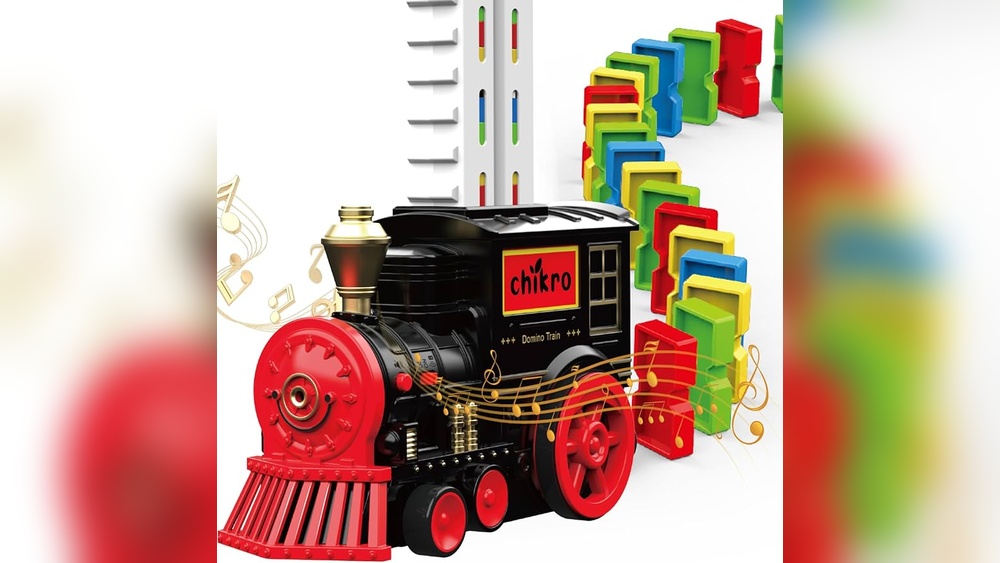
Are you looking for ways to help your child develop patience? Teaching patience can be tough, but the right toys can make it easier and even fun.
Imagine your child learning to wait calmly, focus better, and handle frustration—all while playing. You’ll discover the best toys that encourage patience and help your child grow these important skills step by step. Keep reading, and find out how to turn playtime into a powerful learning experience for your little one.
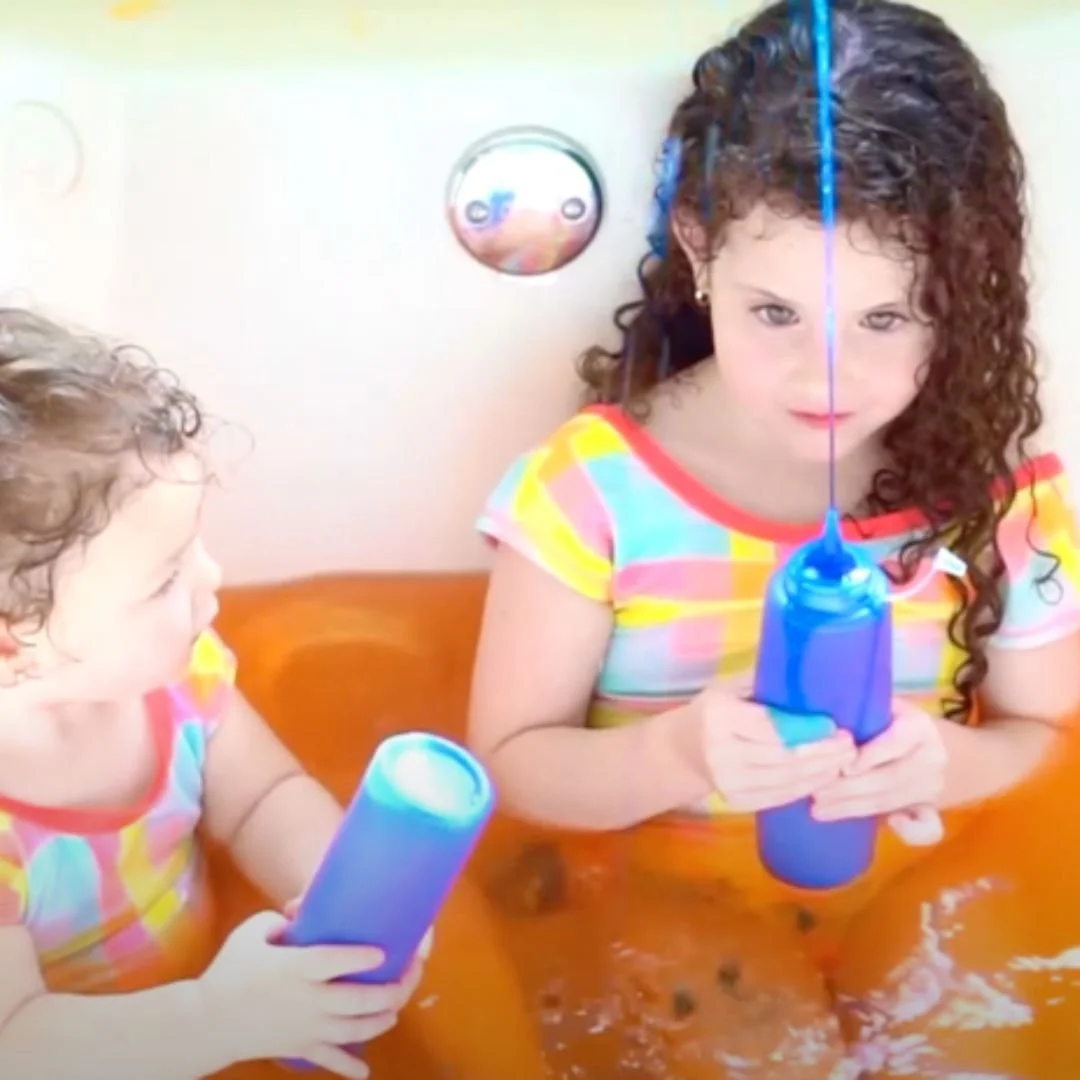
Credit: www.mothercould.com
Benefits Of Patience In Kids
Teaching kids patience is a key part of their growth. Patience helps children handle challenges calmly. It builds strong habits that last a lifetime. Toys that encourage waiting and taking turns can boost this important skill.
Patience shapes many parts of a child’s life. It improves how they feel inside, how they focus on tasks, and how they get along with others. These benefits make learning patience very valuable for kids.
Emotional Growth
Patience helps children control their feelings better. They learn to stay calm when things do not go their way. This reduces frustration and anger. Kids with patience feel more confident and happy. They understand that some things take time to happen.
Improved Focus
Waiting and taking turns teach kids to concentrate longer. Patience helps them finish tasks without giving up. They learn to pay attention to details. This skill aids in schoolwork and hobbies. Focus grows stronger with practice and patience.
Better Social Skills
Patience improves how kids interact with others. They learn to listen and share more easily. Waiting for their turn shows respect for friends. These habits create stronger friendships. Kids become kinder and more understanding with patience.
Toys That Encourage Slow Play
Toys that encourage slow play help children learn patience naturally. These toys do not rush the child. Instead, they invite kids to take their time and think carefully.
Slow play builds focus and self-control. It also boosts problem-solving skills. Such toys keep kids engaged for longer periods without frustration.
Puzzle Games
Puzzle games teach kids to work step by step. They need to look closely and find the right pieces. This process takes time and care. Children learn to wait and try again if they make mistakes.
Simple jigsaw puzzles or shape sorters are great for young kids. Older children enjoy puzzles with more pieces and complex images. Each puzzle completed brings a sense of calm and success.
Building Blocks
Building blocks let kids create slowly and carefully. They stack and balance pieces to make different shapes. This activity requires patience and steady hands.
Blocks encourage imagination and planning. Kids learn to think before placing each block. The slow process helps them enjoy the moment and the result.
Board Games
Board games teach waiting turns and following rules. Kids must watch others play and wait for their chance. This slow pace helps them control impulses and focus.
Games like “Candy Land” or “Snakes and Ladders” are easy and fun. They show children how to enjoy playing together patiently. These games also build social skills and respect.
Creative Toys For Calm Engagement
Creative toys offer calm ways for children to learn patience. These toys keep kids busy with quiet, focused play. They help kids wait, plan, and finish tasks step by step. Creative play slows down fast moments and builds steady habits.
Kids enjoy making and creating. This process teaches them to take time and be careful. Toys that invite creativity also help kids feel relaxed and calm. Here are some great creative toys that support calm engagement and patience.
Art And Craft Kits
Art and craft kits give kids tools to create unique projects. These kits often need several steps to complete. Kids learn to follow instructions and wait for glue or paint to dry. Crafting encourages slow, thoughtful work and careful hand use. This kind of play helps kids practice patience naturally.
Modeling Clay
Modeling clay lets children shape and reshape objects by hand. It requires time to mold details and fix mistakes. Kids must focus and work slowly to create their designs. Clay play improves fine motor skills and patience. The soft, pliable material invites calm, quiet concentration.
Musical Instruments
Musical instruments teach kids to listen and practice regularly. Learning a song takes time and steady effort. Playing instruments helps children wait for the right notes and rhythms. Music builds patience through repetition and attention. These toys blend fun with calm, focused learning.

Credit: www.amazon.com
Outdoor Toys That Promote Patience
Outdoor toys offer great chances for children to learn patience. They teach kids to wait and watch as nature changes. These toys slow down play and invite calm focus. Children enjoy the fresh air while practicing patience through real activities. Two types of outdoor toys stand out for this purpose.
Gardening Kits
Gardening kits help kids grow plants from seeds. They need daily care like watering and watching sprouts. Plants do not grow quickly. Kids learn to wait and care patiently. This teaches responsibility and the joy of slow progress. Watching a seed turn into a flower brings calm and pride. Gardening kits connect children to nature’s pace.
Nature Exploration Sets
Nature exploration sets include tools like magnifying glasses and bug catchers. Kids search for insects, leaves, and rocks outside. Finding and observing small creatures takes time and quiet. Children learn to wait and watch carefully. This builds patience and curiosity about the world. Nature sets turn outdoor play into a slow, thoughtful adventure.
Tech Toys That Teach Waiting
Tech toys can help kids learn patience in fun ways. These toys require children to wait for results or rewards. Waiting builds self-control and focus. Kids enjoy the process and learn without stress. Tech toys combine play with learning skills.
Interactive Storybooks
Interactive storybooks ask kids to wait before turning pages. They listen to sounds or watch animations. Children learn to wait for the story to unfold. This slow pace helps kids enjoy the tale. They also practice patience as they follow the story’s rhythm.
These books often include simple questions or tasks. Kids must wait for answers or hints. This waiting improves their attention and self-restraint. Interactive storybooks make waiting fun and rewarding.
Educational Apps
Educational apps teach patience through challenges and levels. Kids must wait for tasks to complete or scores to update. These pauses teach them to control impulses. Apps with timed activities help children practice waiting calmly.
Some apps use rewards after a delay. Kids learn that good things come with time. This helps them value patience in daily life. Educational apps turn waiting into an important learning moment.

Credit: www.youtube.com
Tips For Parents To Foster Patience
Helping children learn patience is an important skill for their growth. Parents play a key role in teaching this trait. Simple actions and routines can guide kids to wait calmly and stay focused. Below are useful tips for parents to encourage patience in their children during playtime and daily activities.
Setting Playtime Routines
Establish clear playtime schedules for your child. Consistent routines create a sense of security. Kids learn to expect when it is time to play and when to stop. This predictability helps reduce frustration and builds patience. Use timers or visual cues to signal start and end times. Gradually increase the waiting periods between activities.
Modeling Patient Behavior
Children learn a lot by watching adults. Show calmness and patience in your actions. Speak slowly and stay composed during delays or problems. Explain your feelings and how you handle waiting. This example teaches children how to manage their own emotions. Being a role model makes lessons about patience clearer and stronger.
Positive Reinforcement
Praise your child when they show patience. Positive feedback encourages them to repeat good behavior. Use simple words like “Good job waiting” or “You were very patient.” Small rewards like stickers or extra playtime can motivate them too. Celebrate even small moments of patience to build confidence and habit.
Frequently Asked Questions
What Toys Promote Patience In Young Children?
Toys like puzzles, building blocks, and board games promote patience. They require focus and step-by-step problem-solving, helping kids learn to wait and think before acting.
How Do Puzzles Teach Kids Patience?
Puzzles encourage kids to try different pieces patiently until they fit. This process develops persistence and the ability to stay calm while solving challenges.
Can Board Games Improve A Child’s Patience Skills?
Yes, board games teach turn-taking and waiting, essential for patience. Kids learn to control impulses and enjoy delayed rewards through gameplay.
Are Building Toys Effective For Teaching Patience?
Building toys like LEGO require kids to follow instructions carefully. This slow, creative process strengthens concentration and patience over time.
Conclusion
Toys that teach patience help children grow emotionally. They encourage waiting, sharing, and taking turns. Kids learn to focus and control their impulses. Simple toys can make a big difference in behavior. Parents should choose toys that match their child’s age.
Playing with these toys builds important life skills. Patience is a gift that grows with practice. Giving kids time with the right toys helps them succeed. Small steps lead to big improvements over time. Patience helps children handle challenges calmly and confidently.
