
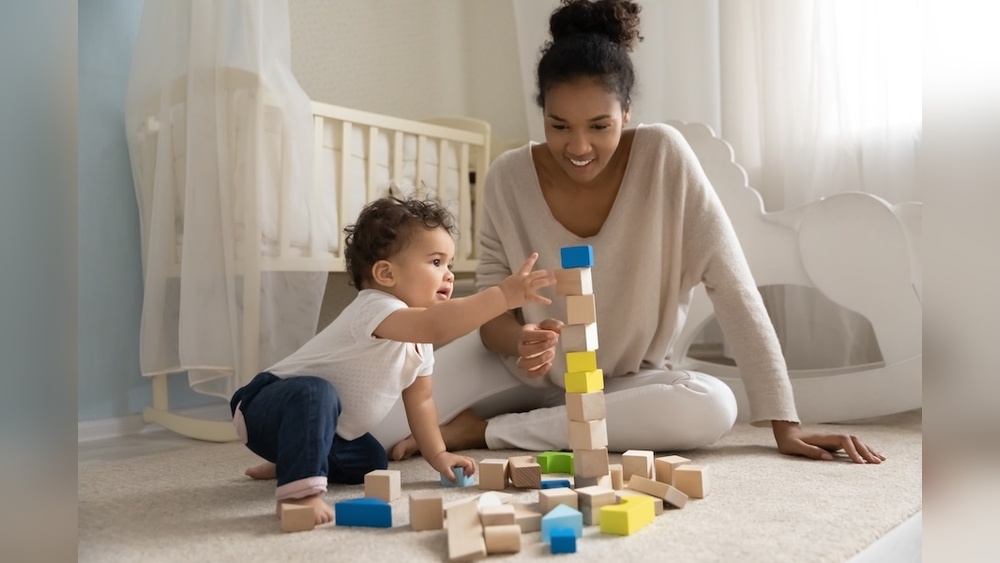
Have you ever noticed how your child’s eyes light up when they press a button and a toy lights up or makes a sound? That simple moment is more than just fun—it’s a powerful lesson in cause and effect.
Understanding this concept is key to your child’s learning and development. But which toys actually help your little one grasp this idea? Keep reading, because we’re about to reveal the best toys that turn playtime into a smart learning experience your child will love.

Credit: www.amazon.com
Why Cause And Effect Matters
Understanding cause and effect helps children make sense of the world. It shows how one action leads to a result. This idea is important for learning and everyday life. Toys that teach cause and effect help children explore this concept actively. They learn by doing and seeing what happens next.
Early Cognitive Development
Cause and effect play a key role in brain growth. Babies start to notice simple connections, like pressing a button and hearing a sound. This awareness helps them understand how things work. Toys that respond to actions support this learning. They help build memory and attention skills early on.
Building Problem-solving Skills
Cause and effect also boost problem-solving abilities. Kids try different actions to see what changes. This trial and error process teaches them to think ahead. Toys that require action and reaction encourage this skill. It prepares children to face challenges and find solutions.
Key Features Of Effective Toys
Toys that teach cause and effect need special features. These features help children understand how their actions lead to results. Good toys make learning simple and fun. They keep kids interested and eager to explore.
Interactive Elements
Toys should invite kids to touch, press, or move parts. Interaction makes learning active, not passive. When children play with buttons, levers, or switches, they see immediate results. This hands-on approach boosts their curiosity and thinking skills. Interactive toys make cause and effect clear and exciting.
Clear Feedback Mechanisms
Feedback shows kids what happened after their action. It can be a sound, light, or movement. Clear feedback helps children connect cause with effect quickly. Toys with obvious responses keep children engaged. Feedback encourages children to try again and learn more.
Best Toys For Toddlers
Choosing the best toys for toddlers helps support early learning. Toys that teach cause and effect boost a child’s thinking skills. Toddlers explore the world by trying out actions and seeing results. The right toys encourage this natural curiosity through play.
Toys that respond to a child’s actions show clear cause and effect. These toys help toddlers learn that their actions have results. This builds problem-solving and hand-eye coordination. Here are some of the best toys for toddlers that teach cause and effect.
Push And Pull Toys
Push and pull toys are perfect for active toddlers. When a child pushes or pulls, the toy moves. This shows a simple cause and effect. Toys like wagons, animals on wheels, or carts help toddlers learn how their actions move objects.
These toys also encourage walking and balance. Toddlers feel proud when they move the toy by themselves. This kind of play builds confidence and coordination.
Shape Sorters
Shape sorters are classic toys that teach cause and effect clearly. Toddlers try to fit shapes into matching holes. When the shape fits, it stays in place. If it does not fit, they try again.
This process helps children understand problem-solving. They learn about different shapes and sizes too. Shape sorters improve fine motor skills and hand-eye coordination.
Stacking Blocks
Stacking blocks let toddlers build towers and knock them down. When blocks fall, toddlers see the result of their actions. This teaches cause and effect in a fun way.
Stacking blocks also improve concentration and creativity. Toddlers learn about balance and shapes while playing. This toy is simple but very effective for early learning.
Top Picks For Preschoolers
Preschoolers learn best through play. Toys that show cause and effect help children understand actions and results. These toys make learning fun and encourage curiosity. Here are some top picks that support cause and effect skills in young kids.
Cause And Effect Puzzles
Cause and effect puzzles teach children how pieces fit to create a result. When a child places a piece correctly, a picture appears or a mechanism moves. These puzzles improve hand-eye coordination and problem-solving skills. Kids enjoy seeing their actions lead to a clear outcome.
Musical Instruments
Musical instruments respond instantly to a child’s touch. Press a key or hit a drum, and sound follows. This clear cause and effect relationship builds understanding. Playing instruments also boosts creativity and fine motor skills. Children learn that their actions create different sounds.
Action Figures With Buttons
Action figures with buttons light up or make noises. Kids press a button, and the toy reacts. This interaction teaches cause and effect in a fun way. These toys also encourage imaginative play. Children explore how their actions make the figures move or speak.
Toys For Older Kids
Older kids enjoy toys that challenge their thinking and creativity. Toys that teach cause and effect help them understand how actions create results. These toys encourage problem-solving and critical thinking. They also make learning fun and interactive. Here are some great options for older children.
Robotics Kits
Robotics kits let kids build and program robots. Kids see how their coding changes the robot’s actions. This shows clear cause and effect. They learn how commands lead to movements or sounds. Robotics also teaches patience and planning. It is a hands-on way to explore technology and engineering.
Science Experiment Sets
Science kits offer experiments that show cause and effect in real life. Kids mix chemicals or change materials and watch reactions. They learn why some things bubble, change color, or grow. These sets spark curiosity and teach scientific thinking. Experiments help kids understand the world around them.
Coding Toys
Coding toys introduce basic programming concepts step by step. Kids write simple codes that control lights, sounds, or movements. They learn that each line of code causes specific effects. Coding builds logical thinking and creativity. It prepares kids for future technology skills in a fun way.

Credit: www.amazon.com
Tips For Choosing The Right Toy
Choosing the right toy helps kids learn cause and effect better. Toys that match a child’s needs make learning fun and natural. Thoughtful choices support growth and keep children safe. Consider key points to pick toys that inspire curiosity and discovery.
Age Appropriateness
Select toys suitable for the child’s age. Toys too advanced cause frustration. Toys too simple may bore the child. Check the recommended age on the packaging. Age-appropriate toys help kids understand cause and effect clearly.
Safety Considerations
Safety is a must. Avoid toys with small parts for young children. Look for non-toxic materials and sturdy construction. Toys should not have sharp edges or loose pieces. Safe toys protect kids and allow worry-free play.
Encouraging Exploration
Choose toys that invite kids to try new things. Toys with buttons, levers, or sounds spark curiosity. Toys that respond to actions teach cause and effect well. Encourage children to experiment and learn from their actions.
Encouraging Smart Play At Home
Smart play helps children learn cause and effect naturally. Toys that respond to actions teach kids about their world. Parents can make playtime both fun and educational.
Simple activities and the right toys build strong thinking skills. Kids discover how their choices change what happens next. This discovery is the heart of learning cause and effect.
Guided Play Techniques
Guide your child through play by asking questions. “What happens if you press this button?” invites curiosity. Let kids explore, but step in to explain results.
Use toys that react to touch, sound, or movement. Show children how actions cause changes. Praise their efforts to encourage more learning.
Creating Learning Opportunities
Set up play areas with toys that teach cause and effect. Blocks that topple or balls that roll catch attention. Everyday objects like cups and spoons work well too.
Encourage children to try, fail, and try again. Each attempt helps them understand their impact. Turn playtime into a chance to discover new ideas.
Credit: vixencomposites.com
Frequently Asked Questions
What Toys Teach Kids Cause And Effect Best?
Cause and effect toys include pop-up toys, building blocks, and musical instruments. They help children understand actions and results clearly. These toys encourage problem-solving and cognitive development through interactive play.
How Do Cause And Effect Toys Benefit Child Development?
These toys improve cognitive skills, hand-eye coordination, and logical thinking. They foster curiosity and teach children how actions lead to outcomes. This promotes early learning and supports brain growth.
Which Age Group Benefits Most From Cause And Effect Toys?
Toddlers aged 6 months to 3 years benefit most. At this stage, children explore and learn through cause and effect play. The toys match their developmental needs and encourage discovery.
Can Cause And Effect Toys Improve Problem-solving Skills?
Yes, these toys encourage children to experiment and find solutions. They learn to predict outcomes and understand consequences. This boosts critical thinking and decision-making skills in early childhood.
Conclusion
Toys that teach cause and effect help kids think and learn. They show how actions lead to results. Kids enjoy discovering these connections through play. Simple toys like blocks, buttons, and puzzles work well. They keep children curious and eager to explore.
Choosing the right toys can boost early learning skills. Playtime becomes a chance to understand the world better. Remember, learning happens best when kids have fun. Toys that link action and result support this process every day.
