
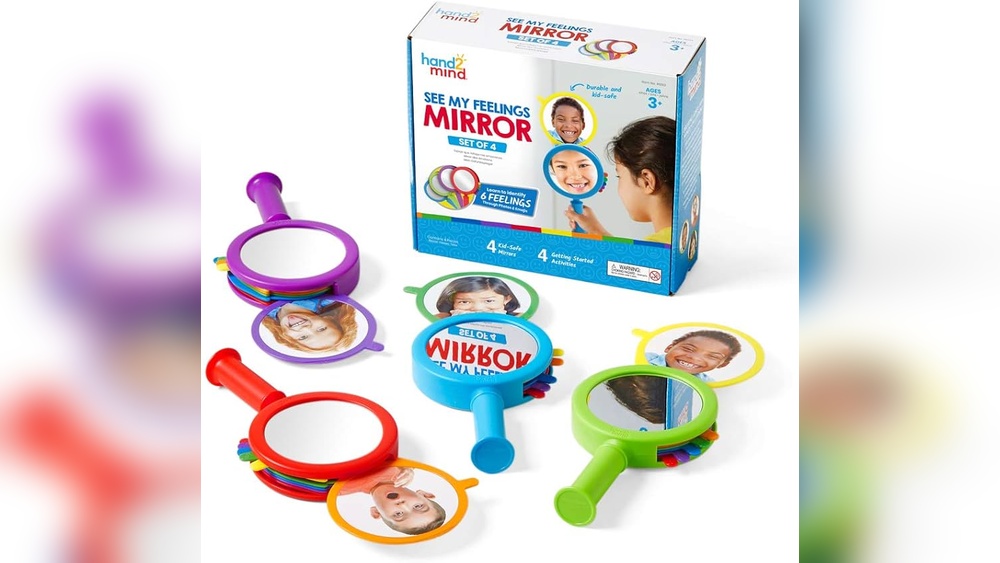
Are you looking for ways to help your child manage big feelings? Finding the right toys can make a huge difference in teaching kids how to calm down, focus, and express themselves.
Imagine having simple tools at home that turn emotional chaos into calm moments. You’ll discover which toys support emotional regulation and why they work so well. Keep reading to learn how these toys can become your secret weapon in helping your child feel more balanced and confident every day.

Credit: www.amazon.com
Toys That Boost Calmness
Toys that boost calmness help children manage their feelings. They provide comfort and reduce stress in different ways. These toys support kids in feeling safe and relaxed. They are useful tools for emotional regulation during tough moments.
Simple toys can make a big difference. They guide children to focus, breathe, and slow down their thoughts. Calmness toys help children stay grounded and peaceful.
Weighted Blankets And Lap Pads
Weighted blankets and lap pads offer gentle pressure. This pressure feels like a warm hug. It helps reduce anxiety and promotes relaxation. Many children find it easier to calm down with these toys. They can be used during quiet time or before sleep.
Fidget Spinners And Stress Balls
Fidget spinners and stress balls keep hands busy. Moving or squeezing them helps release nervous energy. These toys improve focus and reduce restlessness. They are small and easy to carry anywhere. Kids use them to stay calm in school or at home.
Sensory Bottles And Calm Jars
Sensory bottles and calm jars show colorful, slow-moving items inside. Watching the motion helps slow down the mind. These toys create a peaceful feeling and reduce stress. Kids enjoy shaking and watching the contents settle. This simple act encourages patience and calmness.
Toys That Improve Focus
Toys that improve focus help children learn to pay attention. These toys support emotional regulation by encouraging calm and steady thinking. Focused play builds patience and control. It also improves problem-solving skills. Choosing the right toys can make a big difference.
Puzzle Games And Brain Teasers
Puzzle games challenge kids to think carefully. They must find the right pieces and patterns. Brain teasers require concentration and logical thinking. These toys keep the mind busy and alert. Solving puzzles gives children a sense of achievement. This boosts their confidence and focus.
Building Blocks And Construction Sets
Building blocks help kids plan and create. They learn to follow steps and use their hands. Construction sets teach kids to focus on details. Playing with blocks improves hand-eye coordination. It also encourages patience during play. These toys help children stay engaged longer.
Interactive Learning Toys
Interactive learning toys respond to children’s actions. They often include sounds, lights, or questions. These toys hold a child’s attention well. Kids learn to listen and think before acting. Interactive toys also promote memory skills. They make learning fun and focused at the same time.
Toys That Encourage Emotional Expression
Toys that encourage emotional expression help children share their feelings. These toys create safe spaces for kids to show joy, sadness, or anger. Expressing emotions through play supports emotional growth and self-awareness. Children learn to understand their feelings better.
Choosing the right toys can guide children in managing emotions. Toys that inspire creativity and imagination let kids explore their inner world. These tools aid in building emotional intelligence and resilience.
Emotion Dolls And Plush Toys
Emotion dolls and plush toys often show different facial expressions. Kids use them to act out feelings they find hard to say. These toys become trusted companions during tough moments. They help children recognize and name emotions clearly.
Art Supplies For Creative Outlets
Art supplies allow kids to draw or paint their feelings. Colors and shapes become a language for emotions. This creative outlet reduces stress and builds calmness. Art helps children express what words cannot capture.
Role-playing And Storytelling Sets
Role-playing sets let children act out real-life scenarios. Storytelling encourages sharing personal experiences and feelings. These activities build empathy and social skills. Kids learn to understand themselves and others better.

Credit: www.petrie-dental.com
Selecting Toys Based On Age And Needs
Selecting toys based on a child’s age and emotional needs is important. Toys help children express feelings and calm down. Each stage of growth has different needs. Choosing the right toy supports emotional learning and self-control. This guide breaks down age groups and special needs to help pick suitable toys.
Toddlers And Preschoolers
Toddlers and preschoolers learn emotions through play. Soft toys and plush animals provide comfort. Sensory toys with different textures help them explore feelings. Simple puzzles encourage focus and patience. Toys that encourage pretend play build empathy and understanding. Bright colors and safe, easy-to-handle shapes suit this age well.
School-age Children
School-age children benefit from toys that challenge their thinking. Board games teach turn-taking and emotional control. Journals with prompts let kids write or draw feelings. Stress balls and fidget tools help manage anxiety. Creative kits like clay or paint promote emotional expression. Group activities with friends support social skills and cooperation.
Children With Special Needs
Children with special needs require toys that match their unique challenges. Weighted blankets and lap pads provide calming pressure. Visual schedules and timers help with transitions and routine. Interactive toys with clear feedback guide emotional responses. Sensory swings and balance boards improve focus and calmness. Choose toys that fit the child’s specific sensory and emotional needs.
Tips For Using Toys To Support Emotional Skills
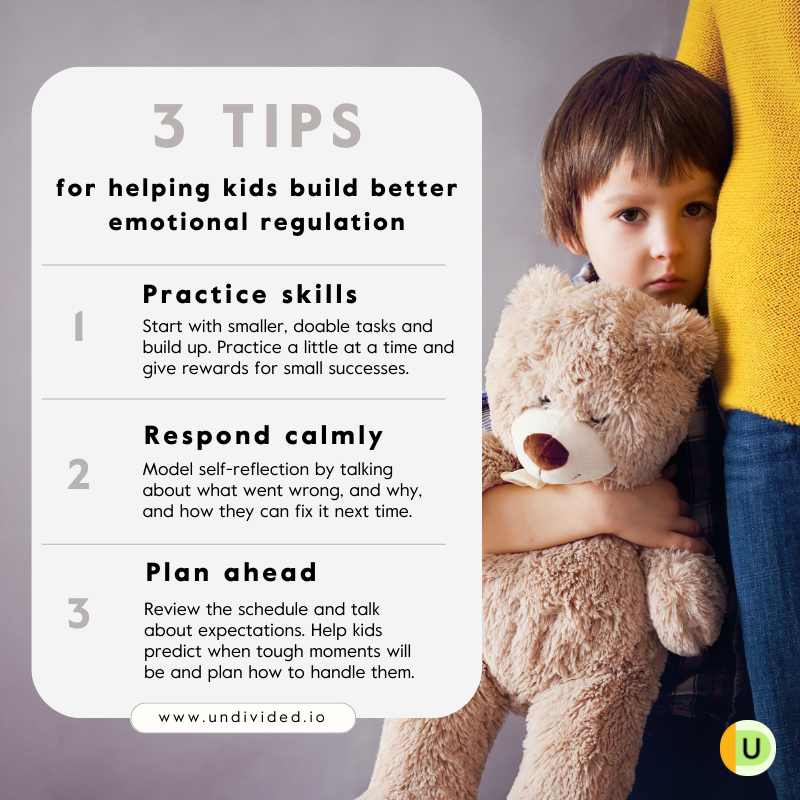
Using toys to help kids manage emotions is a smart idea. Toys can teach children how to stay calm, express feelings, and solve problems. Simple steps can make playtime a chance for emotional growth. These tips show how to use toys well for emotional skills.
Creating A Calm Play Environment
Choose a quiet and safe place for play. Keep the area free from loud noises and distractions. Soft lighting helps children feel relaxed. Arrange toys neatly so kids can find them easily. A calm space helps kids focus on their feelings during play.
Incorporating Toys Into Daily Routines
Include toys in morning or bedtime routines. Use a favorite toy to start or end the day. This creates comfort and a sense of security. Regular play with emotional toys builds steady habits. It helps children learn to handle feelings at different times.
Encouraging Mindful Play
Guide children to play slowly and notice their feelings. Ask simple questions about what the toy shows or how they feel. Let kids take the lead and use toys in their own way. Mindful play deepens emotional understanding and self-control. It turns play into a learning moment.
Credit: undivided.io
Frequently Asked Questions
What Toys Improve Kids’ Emotional Regulation Skills?
Toys like stress balls, sensory fidget spinners, and plush animals help kids manage emotions. These toys provide calming sensory input and encourage self-soothing. They support emotional awareness and reduce anxiety effectively.
How Do Sensory Toys Help Emotional Regulation?
Sensory toys stimulate touch, sight, or sound senses. This stimulation helps kids focus and calm down during stress. They improve concentration and emotional control by engaging the brain’s sensory pathways.
Are Calming Toys Good For Anxious Children?
Yes, calming toys like weighted blankets and squishy toys reduce anxiety. They create a comforting effect, helping kids feel safe and secure. This promotes emotional balance and relaxation.
Which Toys Teach Emotional Expression To Kids?
Role-play dolls, puppets, and emotion flashcards help children express feelings. These toys encourage communication about emotions and empathy development. They build emotional intelligence in a fun way.
Conclusion
Toys can help children handle their emotions better. They offer safe ways to express feelings. Soft toys, stress balls, and puzzles calm anxious minds. Role-play sets teach kids how to talk about emotions. These tools support healthy emotional growth every day.
Parents and teachers should choose toys that match each child’s needs. Simple toys often work best. Helping kids learn emotional control starts with play. It builds confidence and helps them feel understood. Small steps lead to big improvements in emotional health.
