
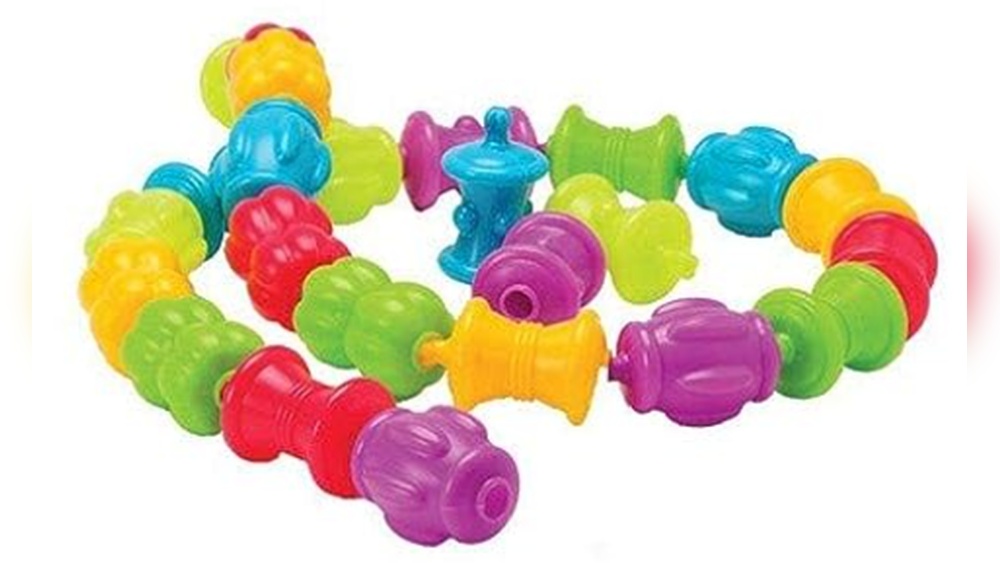
Are you looking for toys that help your toddler develop better coordination and hand skills? Choosing the right toys can make a big difference in how your child learns to use both hands together.
When toddlers play with toys that encourage two-handed use, they build important brain connections and improve their fine motor skills. You’ll discover simple, fun toys that naturally get your little one reaching, grasping, and exploring with both hands. Keep reading to find out how to support your toddler’s growth with the best toys for hand coordination.
Benefits Of Using Both Hands
Using both hands helps toddlers learn and grow in many ways. It teaches their brains and bodies to work together. Toys that encourage this skill make playtime more helpful for their development.
Playing with both hands also builds good habits for writing and daily tasks. It supports balance and control in small movements. These benefits last as children grow older.
Enhancing Coordination
Using both hands improves hand-eye coordination. Toddlers learn to use their eyes and hands at the same time. This skill helps with tasks like catching balls or stacking blocks.
Both hands working together make movements smoother. It also helps children switch tasks between hands easily. This skill supports many activities in school and play.
Boosting Brain Development
Using both hands activates both sides of the brain. This connection helps with thinking and learning new skills. It also improves memory and problem-solving abilities.
Playing with toys that require two hands strengthens brain pathways. These pathways support language and creativity. Early brain development sets the stage for future learning success.
Improving Fine Motor Skills
Fine motor skills involve small hand movements. Using both hands helps toddlers practice these precise actions. It makes it easier to hold pencils, use scissors, and button clothes.
Toys that need both hands encourage finger strength and control. These skills build confidence in daily tasks. Better fine motor skills lead to greater independence for toddlers.
Key Features Of Toddler Toys
Toys for toddlers must support their growth and learning. The right toys help children use both hands together. This skill is important for daily tasks and brain development. Understanding the key features of these toys helps parents choose well.
Encouraging Bilateral Use
Toys should require both hands to work. This action builds hand coordination and strength. Toys like puzzles, stacking blocks, and musical instruments invite two-handed play. They challenge toddlers to use both hands at once.
Safe And Age-appropriate Design
Toys must be safe for toddlers to handle. Look for smooth edges and non-toxic materials. Size matters; pieces should be large enough to avoid choking. Age-appropriate toys match toddlers’ skill levels and interests.
Interactive And Engaging Elements
Toys that respond to touch or movement keep toddlers interested. Buttons to press, levers to pull, and parts to twist stimulate both hands. Bright colors and sounds add fun and encourage play.
Top Toys For Both-hand Use
Toys that encourage toddlers to use both hands help develop coordination and fine motor skills. These toys invite children to practice gripping, holding, and manipulating objects with both hands. Choosing the right toys can make a big difference in a toddler’s growth. Here are some top toys that promote two-handed play.
Building Blocks And Stacking Sets
Building blocks and stacking sets require toddlers to hold pieces in one hand while placing them with the other. This action improves hand strength and control. Kids learn balance and spatial skills as they create towers and shapes. The variety of colors and shapes also keeps playtime fun and educational.
Activity Cubes And Boards
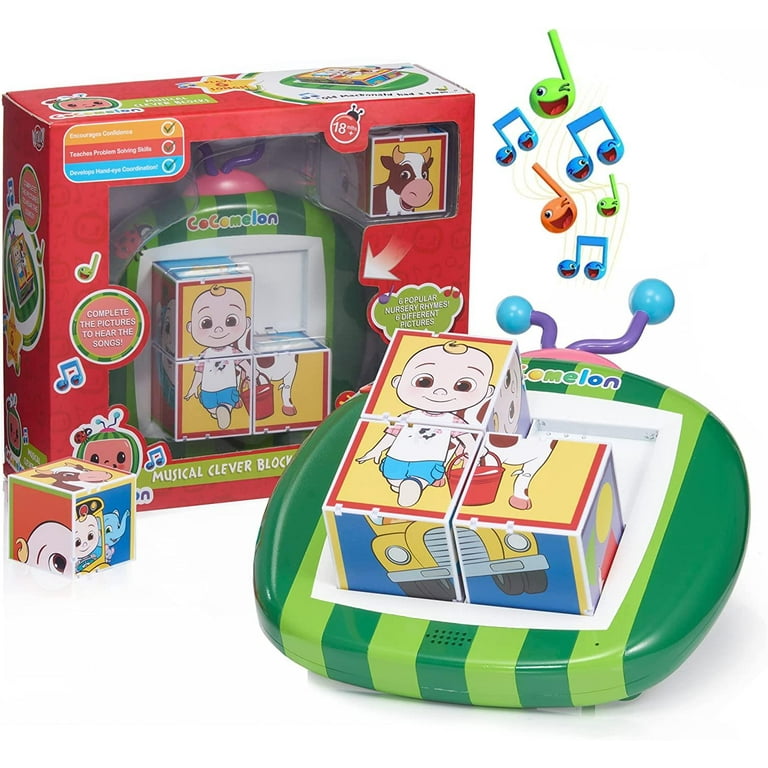
Activity cubes and boards offer many interactive features. Toddlers turn knobs, slide doors, and press buttons with both hands. These toys support problem-solving and hand-eye coordination. They are designed to engage children through different textures and movements, encouraging bilateral hand use.
Musical Instruments
Simple musical instruments like drums, xylophones, and maracas invite two-handed play. Toddlers use one hand to hold the instrument and the other to strike or shake it. Music play enhances rhythm skills and hand coordination at the same time. These instruments also promote creative expression and focus.
Shape Sorters And Puzzles
Shape sorters and puzzles challenge toddlers to fit pieces into the right spots. This activity calls for both hands to pick up and place shapes carefully. It helps develop problem-solving skills and fine motor control. Toddlers gain confidence as they match shapes and complete puzzles step by step.
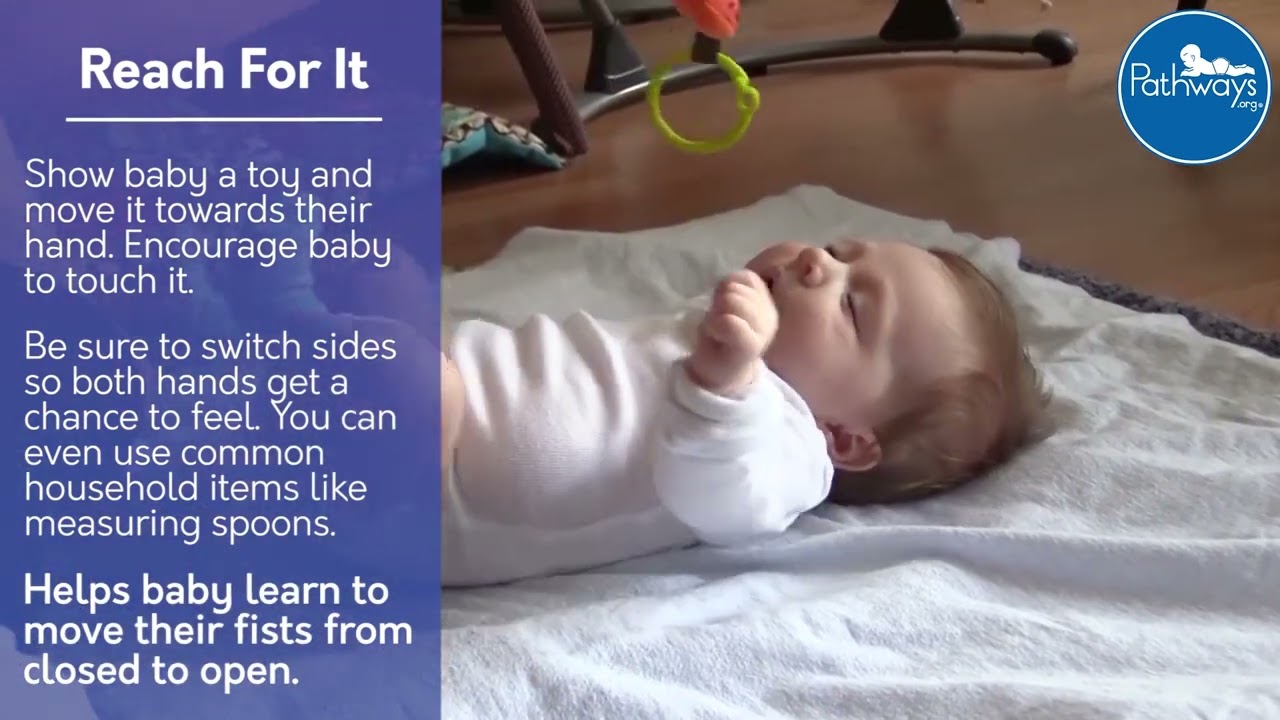
Credit: pathways.org
Tips For Choosing The Right Toy
Choosing the right toy helps toddlers use both hands better. The right toy encourages movement, coordination, and fun. It also keeps the child interested for longer times.
Think about the child’s needs and what helps their growth. Picking toys that match these points makes playtime both useful and joyful.
Considering Child’s Interests
Watch what toys your toddler likes to play with most. Toys related to their favorite colors, animals, or shapes keep their attention. Interest helps children try new ways to use both hands.
Choose toys that fit their personality and current skills. This keeps them eager to explore and learn during play.
Balancing Challenge And Fun
Select toys that are not too easy or too hard. Toys should make toddlers think and move their hands together. This balance helps them stay motivated and learn new skills.
Simple puzzles, stacking blocks, or toys with buttons and knobs work well. They challenge toddlers without causing frustration.
Durability And Safety Checks
Always check if toys are safe for toddlers. Avoid small parts that can cause choking. Look for toys made from non-toxic materials.
Durable toys last longer and handle rough play. This gives toddlers more time to practice using both hands.
Encouraging Playtime Habits
Encouraging toddlers to use both hands during play helps their brain and motor skills develop. Playtime becomes more fun and educational this way. Simple habits can guide toddlers toward balanced hand use without pressure or frustration.
Start by creating a play environment that invites both hands to work. Show toddlers how to use both hands by example. Praise their efforts to keep them motivated and confident.
Setting Up Play Sessions
Arrange toys that need two hands to play with. Blocks, puzzles, and stacking cups work well. Place toys within easy reach to avoid frustration. Keep sessions short to hold their attention. Change toys often to keep play fresh and exciting.
Modeling Both-hand Use
Use both hands when playing with your toddler. Show how to hold, grab, or move objects using two hands. Let toddlers watch your actions closely. Imitation helps them learn through observation. Speak clearly about what you are doing with your hands.
Positive Reinforcement
Notice when toddlers use both hands during play. Give smiles, claps, or gentle praise to encourage them. Avoid correcting mistakes harshly. Celebrate small successes to build their confidence. Reward effort more than perfection to keep them engaged.

Credit: lilyshome.com
Credit: www.walmart.com
Frequently Asked Questions
What Toys Help Toddlers Develop Hand Coordination?
Toys like building blocks, shape sorters, and stacking cups promote hand coordination. These encourage toddlers to use both hands together and improve fine motor skills.
Which Toys Encourage Both Hands Usage In Toddlers?
Interactive toys such as musical instruments, puzzles, and dual-handle rattles help toddlers use both hands. They stimulate bilateral hand use and enhance brain development.
How Do Toys Boost Toddler Hand Skills?
Toys that require grasping, squeezing, or manipulating objects train toddlers to coordinate both hands. This improves dexterity and bilateral coordination essential for daily tasks.
Are There Specific Toys For Ambidextrous Toddler Play?
Yes, toys like two-sided puzzles and double-handle toys encourage ambidextrous use. They help toddlers practice using both hands equally and improve motor balance.
Conclusion
Choosing toys that encourage toddlers to use both hands helps their growth. These toys improve hand coordination and build brain skills. Toddlers learn to share tasks between hands naturally. Simple toys like blocks, puzzles, and stacking cups work well. Regular play with such toys boosts confidence and creativity.
Parents can enjoy watching their child explore and learn. Keep offering different toys to keep your toddler interested. This small step makes a big difference in their development. Playtime becomes a fun way to grow strong skills.
