
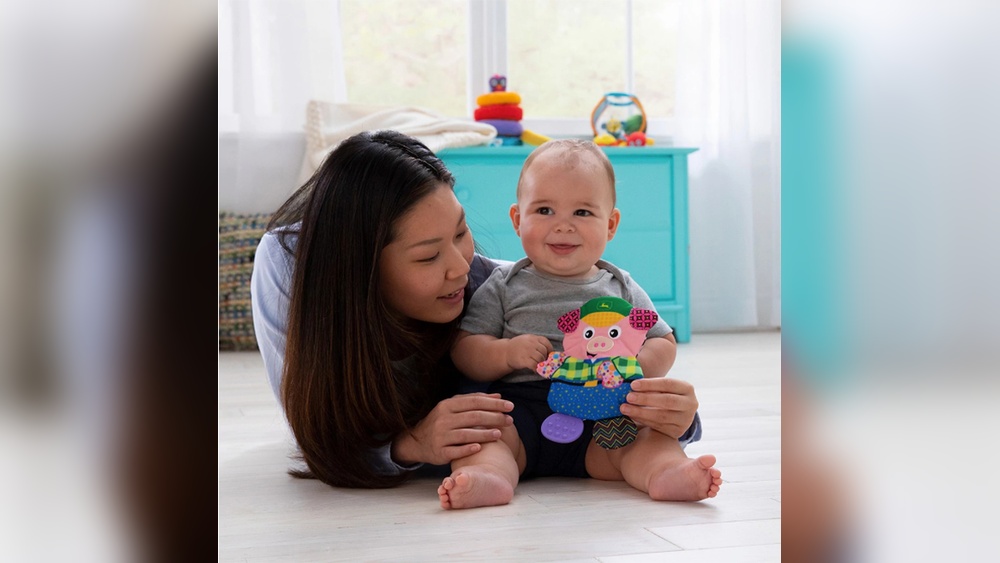
Are you looking for the best toys that help your toddler discover new textures? Choosing the right toys can make a big difference in how your little one learns about the world around them.
When your child touches, squeezes, and explores different materials, their senses grow stronger. This boosts their curiosity and helps build important skills. You’ll find simple, fun toys that encourage your toddler to explore textures safely and happily. Keep reading to discover how these toys can turn playtime into a powerful learning experience for your child.
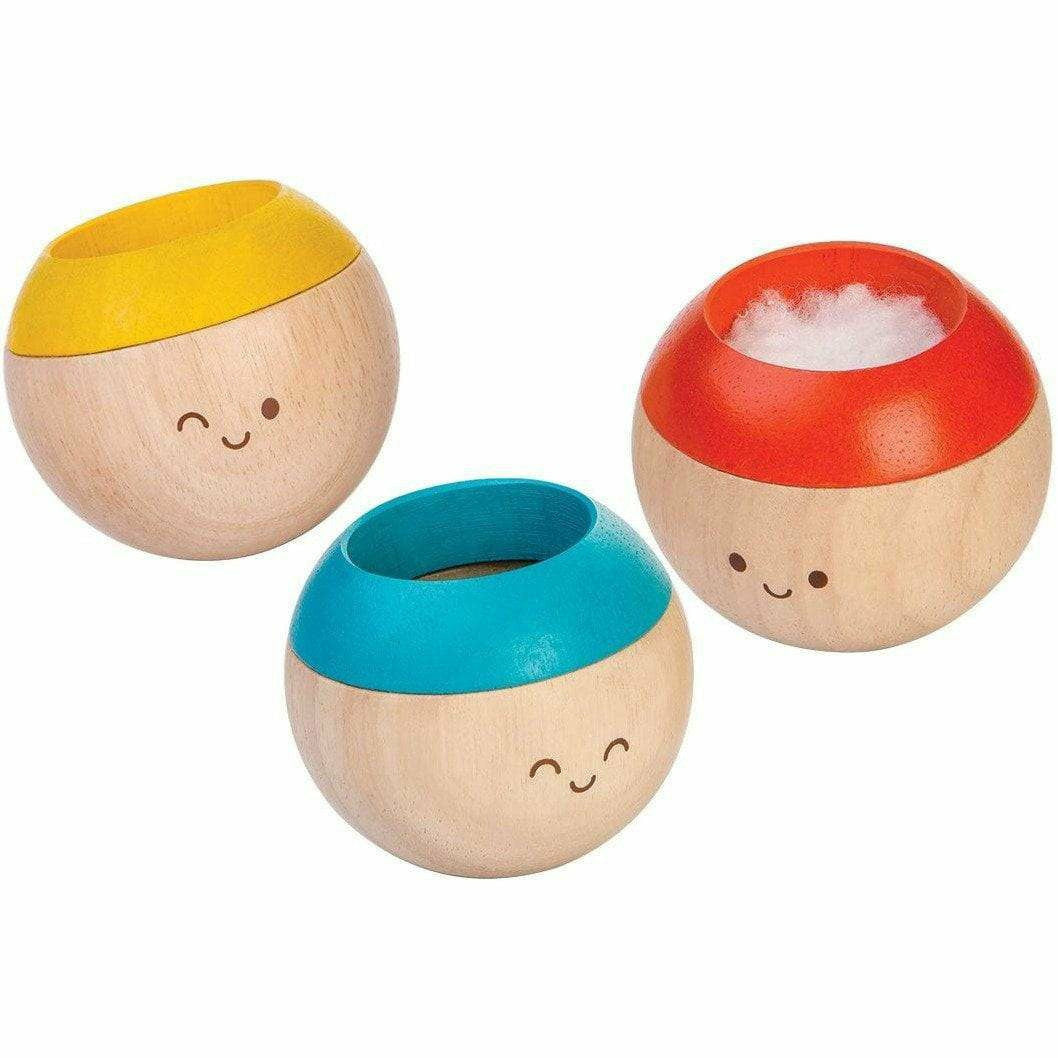
Credit: www.thenaturalbabyco.com
Benefits Of Texture Exploration
Exploring different textures is a key activity for toddlers. It helps them learn about the world through touch. Playing with textured toys offers many benefits. These benefits support their growth in many important ways.
Boosting Sensory Development
Feeling various textures sharpens a toddler’s sense of touch. It helps their brain understand different sensations. This sensory input builds connections in the brain. Toddlers learn to recognize rough, smooth, soft, and hard surfaces. These skills improve their awareness of their surroundings.
Enhancing Motor Skills
Textured toys encourage toddlers to use their hands and fingers. Grasping different shapes and textures strengthens their muscles. These actions improve hand-eye coordination. Fine motor skills develop as toddlers explore small details. This practice prepares them for tasks like writing and buttoning clothes.
Encouraging Cognitive Growth
Touching textures helps toddlers think and solve problems. They compare and sort objects by how they feel. This builds early math and science skills. Exploring textures also sparks curiosity and creativity. It supports language learning as toddlers describe what they touch.
Credit: www.learningcaregroup.com
Types Of Textures For Toddlers
Toddlers learn about the world by touching and feeling different surfaces. Textures play a big role in their sensory development. Toys with various textures help toddlers explore and understand new sensations. These textures can be soft, rough, or smooth. Each type offers a unique experience that encourages curiosity and learning.
Soft And Fuzzy Materials
Toys made from soft and fuzzy materials feel gentle to touch. Examples include plush animals and fabric books. These textures comfort toddlers and invite cuddling. Soft toys also help develop fine motor skills as toddlers grasp and squeeze them. The gentle feel teaches children how softness differs from other textures.
Rough And Bumpy Surfaces
Rough and bumpy toys provide a different kind of touch experience. Blocks with raised patterns or balls with bumps give toddlers a chance to explore uneven surfaces. These textures help improve hand coordination and tactile awareness. Toddlers learn to recognize roughness and develop stronger grip skills.
Smooth And Slippery Textures
Smooth and slippery toys offer a cool, sleek feeling. Items like plastic rings or rubber ducks have surfaces toddlers can slide their fingers over easily. These textures teach children about smoothness and movement. Playing with slippery toys improves hand-eye coordination and sensory discrimination.
Top Toys For Sensory Texture Play
Exploring different textures helps toddlers learn about their world. Sensory texture play toys support this important growth. These toys encourage children to touch, feel, and discover new sensations. They help develop fine motor skills and boost curiosity.
Choosing the right toys makes a big difference. Here are some top options that promote sensory texture play for toddlers.
Plush And Fabric Books
Plush and fabric books combine soft materials with interesting textures. Toddlers can feel smooth, fuzzy, and bumpy surfaces. These books often include crinkly pages and tags to explore. They invite children to touch and turn pages, improving hand strength. Fabric books are safe and easy to carry anywhere.
Textured Balls And Blocks
Textured balls and blocks come in many shapes and sizes. Their surfaces may be ridged, spiky, or dimpled. Toddlers enjoy squeezing and stacking these toys. These textures help develop sensory awareness and coordination. Playing with blocks also encourages problem-solving skills.
Water And Sand Play Sets
Water and sand play sets offer wet and grainy textures. Toddlers can scoop, pour, and mold with their hands. These activities improve hand-eye coordination and sensory exploration. Water and sand play also sparks creativity and outdoor fun. These sets come with tools like buckets and shovels to enhance play.
Diy Texture Toys At Home
DIY texture toys at home are a fun way to help toddlers explore different materials. These toys encourage sensory play, which supports brain growth and fine motor skills. Making toys at home is simple and cost-effective. It also allows you to customize textures to your toddler’s preferences.
Creating Sensory Bags
Sensory bags are easy to make and safe for toddlers. Use a resealable plastic bag and fill it with various items. Try rice, water beads, or shaving cream. Seal the bag tightly to avoid spills. Toddlers can press, squish, and move the items inside. This activity helps them feel different textures without mess.
Using Everyday Household Items
Many household items make great texture toys. Use sponges, cotton balls, or fabric scraps. Cardboard tubes and egg cartons also provide interesting shapes and feels. Combine these items in a box for a texture discovery kit. Toddlers enjoy touching and sorting these items. It sparks curiosity and sensory learning.
Safe Craft Ideas For Toddlers
Crafting with safe materials creates fun texture toys. Use non-toxic glue and large pieces for easy handling. Felt, foam sheets, and pipe cleaners are good choices. Stick different textures on a board or paper. Toddlers can explore rough, soft, and bumpy surfaces. This hands-on play boosts creativity and sensory skills.
Tips For Safe Sensory Play
Safe sensory play is key for toddlers exploring textures. It helps them learn while staying protected. Parents and caregivers must create a safe space for these activities. This keeps playtime fun and worry-free.
Here are important tips to ensure safe sensory play with texture toys.
Supervision And Safety Checks
Always watch toddlers closely during sensory play. Small parts can be a choking risk. Regularly inspect toys for damage or loose pieces. Remove any broken toys immediately. Keep play areas clean to avoid germs and dirt. Stay nearby to guide and support your child.
Choosing Non-toxic Materials
Select toys made from safe, non-toxic materials. Toddlers often put toys in their mouths. Avoid toys with harmful chemicals or paints. Look for labels that say “BPA-free” or “non-toxic.” Natural materials like wood or cotton are good choices. Clean toys regularly to keep them safe.
Age-appropriate Toy Selection
Pick toys designed for your toddler’s age. Toys too small or complex can cause harm. Check the manufacturer’s age recommendations on packaging. Soft toys with various textures work well for young toddlers. Avoid toys with sharp edges or small detachable parts. Age-appropriate toys support safe, enjoyable exploration.
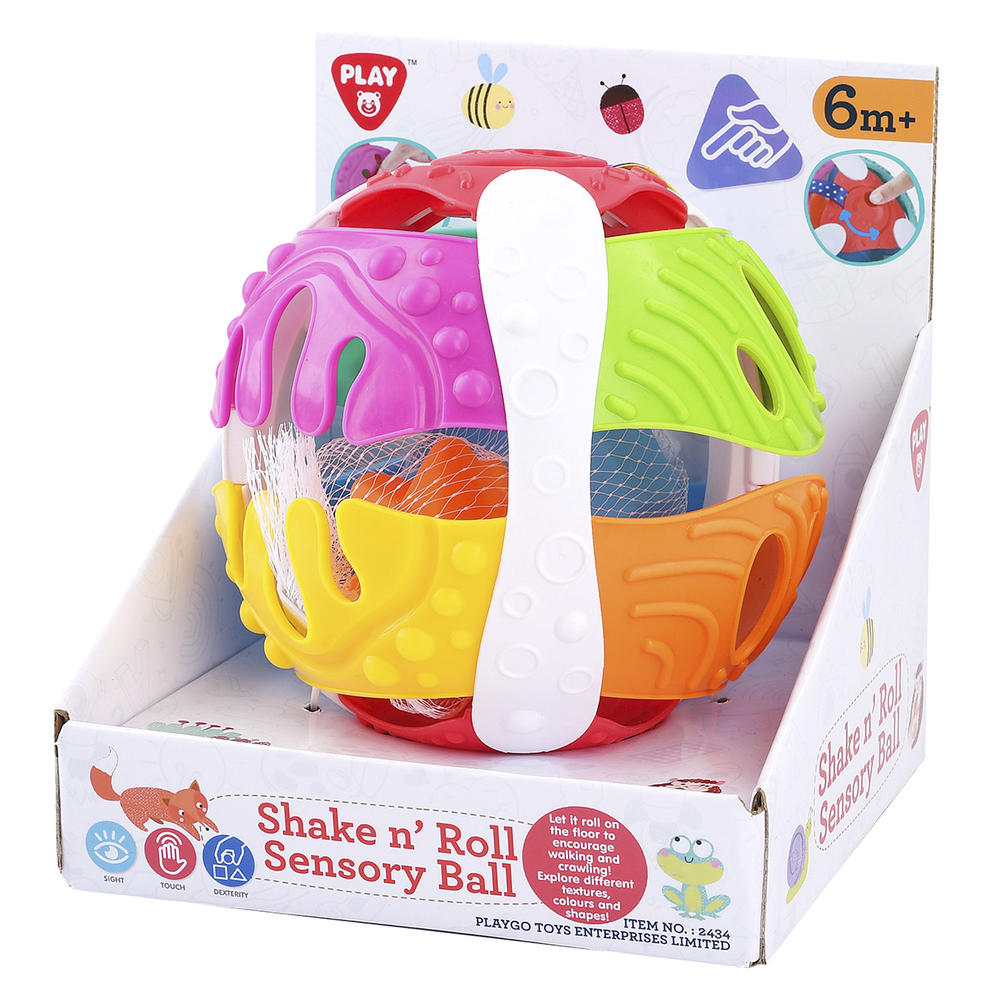
Credit: www.menards.com
Frequently Asked Questions
What Types Of Toys Best Encourage Texture Exploration?
Toys with varied surfaces like soft, rough, and bumpy textures help toddlers explore touch. Examples include sensory balls, textured blocks, and fabric books. These toys stimulate tactile senses and enhance fine motor skills while keeping toddlers engaged and curious.
How Do Textured Toys Benefit Toddler Development?
Textured toys boost sensory development by stimulating touch receptors. They improve hand-eye coordination and cognitive skills. Toddlers learn about different materials and surfaces, which supports brain growth and early learning through hands-on exploration.
Are Safe Materials Important For Texture Toys?
Yes, safe materials are crucial. Toys should be non-toxic, free of small parts, and durable. This ensures toddlers can explore textures without health risks or choking hazards, making playtime both fun and safe.
Can Everyday Items Serve As Texture Toys?
Absolutely. Household items like sponges, fabric scraps, and wooden spoons offer varied textures. These items provide affordable, safe options for tactile play and encourage creativity and sensory discovery in toddlers.
Conclusion
Toys that offer different textures help toddlers learn and grow. They make playtime fun and teach new skills. Soft, rough, smooth, and bumpy surfaces all add interest. Toddlers enjoy touching and exploring these toys every day. This hands-on play supports their brain and motor development.
Choosing the right toys encourages curiosity and creativity. Remember, simple toys with varied textures work best. Let your child discover the world through touch and play.
