
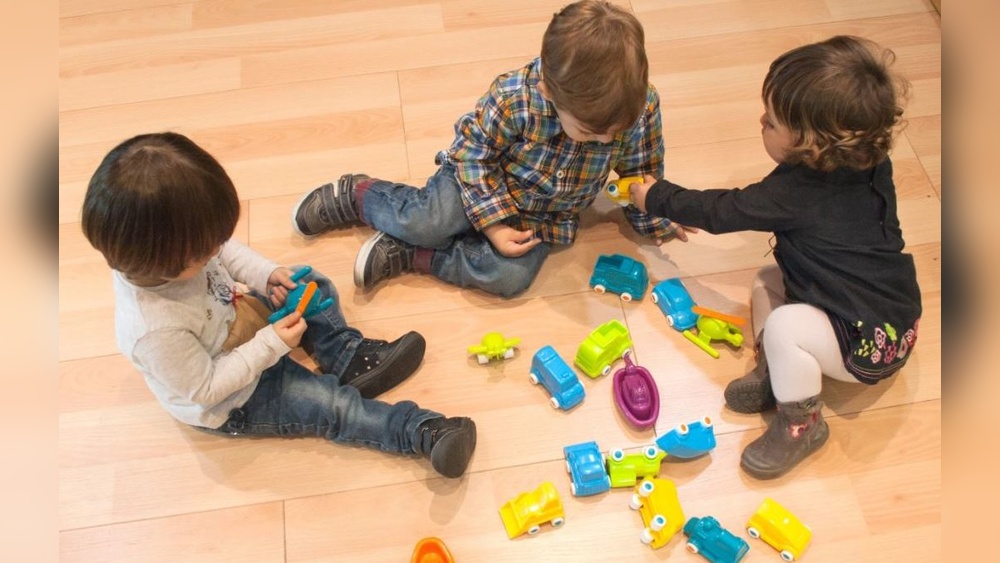
Are you looking for toys that help your kids play together and build strong friendships? Finding the right toys can make all the difference in encouraging teamwork and sharing.
When children play cooperatively, they learn important skills like communication, problem-solving, and empathy. But which toys truly inspire this kind of play? Keep reading to discover the best options that will not only keep your kids entertained but also bring them closer through fun, shared experiences.
Your child’s next favorite toy might just be one that teaches them how to play as a team!
Benefits Of Cooperative Play
Cooperative play offers many benefits for children. It helps them grow in ways that solo play cannot. Playing together teaches kids how to work with others. This kind of play builds important life skills that children need.
Through cooperative play, children learn to share, listen, and support each other. These skills help them make friends and solve problems. Toys that encourage cooperative play make these lessons fun and natural.
Building Social Skills
Cooperative play helps children understand how to interact with others. They learn to take turns and respect others’ feelings. Playing with friends teaches kids about kindness and fairness. These social skills are important for school and life.
Enhancing Communication
Kids improve their speaking and listening skills during cooperative play. They practice explaining ideas and following directions. Talking with peers helps children express themselves clearly. Good communication builds confidence and strong friendships.
Fostering Teamwork
Cooperative play encourages children to work toward a common goal. They learn how to share tasks and help each other. Teamwork teaches kids to trust and rely on friends. These experiences prepare children for group work in the future.

Credit: www.youtube.com
Characteristics Of Cooperative Toys
Cooperative toys help children play together and build teamwork skills. These toys make kids talk, share, and work as a team. They create fun moments where children learn from each other. The best cooperative toys have special features that support group play. Understanding these features helps parents and teachers pick the right toys.
Encouraging Interaction
Cooperative toys invite children to talk and listen to each other. They need kids to share ideas or materials. This sharing helps kids build social skills. Toys that need two or more players to succeed boost interaction. They make children depend on each other to keep playing.
Promoting Problem Solving
These toys challenge children to think together. Kids find solutions by working as a team. Tasks can include puzzles, building blocks, or challenges. Problem solving helps children learn patience and creativity. They also practice explaining their thoughts clearly to others.
Supporting Shared Goals
Cooperative toys have clear goals that all players work toward. Everyone wins or loses together. This teaches children the value of teamwork and fairness. It helps reduce competition and builds a sense of community. Shared goals keep kids focused on helping each other.
Top Cooperative Toys For Young Kids
Cooperative toys help young kids play together and share ideas. These toys teach teamwork and communication. They make playtime fun and meaningful. Children learn to listen and work as a team while playing. Below are some top cooperative toys that encourage these skills.
Building Blocks And Construction Sets
Building blocks and construction sets are great for group play. Kids can build towers, houses, or castles together. These toys promote sharing and planning. Children learn to solve problems and cooperate. They take turns adding pieces and discuss ideas. This type of play boosts creativity and teamwork.
Interactive Board Games
Interactive board games require players to work as a team. Kids must talk and make decisions together. These games teach patience and fair play. Players cheer each other on and celebrate wins as a group. Board games help develop social skills and cooperation. They are easy to learn and fun for young children.
Role-playing Kits
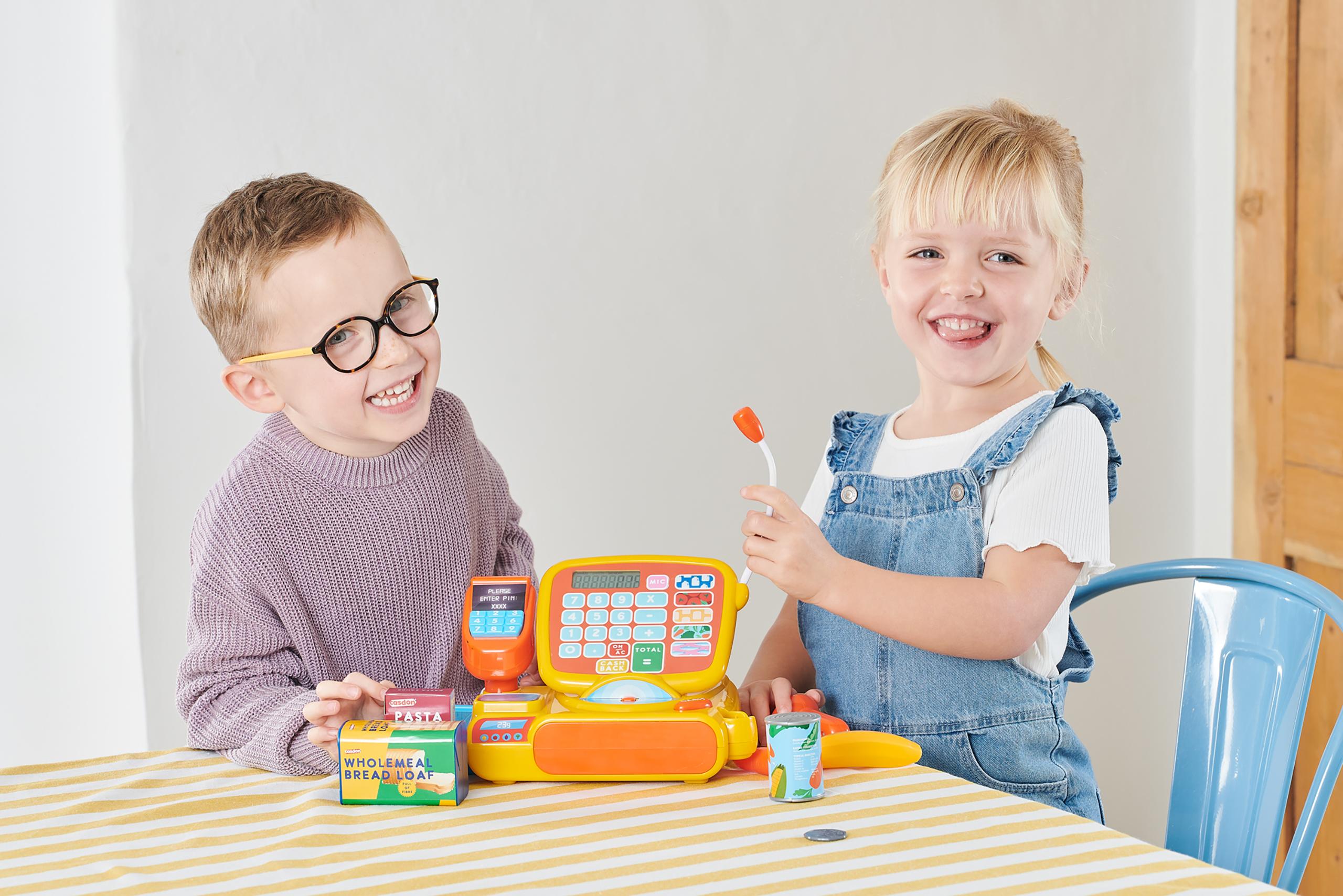
Role-playing kits let kids act out different roles. They can pretend to be doctors, chefs, or firefighters. This type of play encourages communication and empathy. Children learn to listen and respond to friends’ ideas. Role-playing kits inspire creativity and group interaction. They help kids understand teamwork in real life.
Best Cooperative Toys For Older Children
Choosing the right toys for older children can boost teamwork and social skills. These toys help kids work together and solve problems as a group. Cooperative play strengthens friendships and builds trust. The best toys inspire communication and shared goals.
Strategy-based Games
Strategy games challenge children to plan and think ahead. Kids must talk and agree on moves. This teamwork improves critical thinking and cooperation. Classic board games and new strategy sets fit well here. Games like chess, cooperative puzzles, or card games are great choices. They keep kids engaged and working as a team.
Outdoor Team Activities
Outdoor toys encourage physical activity and group play. Sports equipment like soccer balls or frisbees promotes team spirit. Group challenges like relay races build cooperation and fun. These toys get children moving and communicating outside. They teach kids to support each other and share goals.
Stem Collaboration Kits
STEM kits focus on science, technology, engineering, and math. Kids build projects together using instructions and ideas. These kits require sharing tools and ideas to complete tasks. They develop problem-solving skills and teamwork in a fun way. Robotics sets and coding kits are popular examples. They invite children to learn and create side by side.
Choosing The Right Cooperative Toy
Choosing the right cooperative toy makes playtime better for everyone. It helps children learn to share, work together, and solve problems as a team. The right toy keeps kids interested and matches their skills. It also fits the size of the group playing. Careful choice creates fun and teamwork.
Age Appropriateness
Pick toys that fit the child’s age and skill level. Toys for younger kids should be simple and safe. Older kids enjoy more complex toys with rules and challenges. Age-appropriate toys keep children engaged and prevent frustration or boredom.
Interest Matching
Choose toys that match children’s interests and hobbies. Kids love toys related to animals, building, or stories. Matching interests makes playtime exciting. It encourages kids to join in and work as a team.
Group Size Considerations
Think about how many children will play together. Some toys work best for two players. Others are great for larger groups. The right toy allows all children to participate and share roles. This helps children learn cooperation and communication skills.

Credit: www.youtube.com
Tips For Encouraging Team Play
Encouraging team play helps children learn how to work together. It builds trust and improves social skills. Toys that promote cooperative play work best when adults guide the process. Use simple steps to make teamwork fun and natural.
Setting Shared Goals
Start by choosing a goal everyone wants to reach. It could be building a tower or finishing a puzzle. Clear goals give children a reason to cooperate. They learn to plan and share ideas. Celebrate small steps toward the goal to keep kids motivated.
Modeling Cooperation
Show children how to cooperate by joining their play. Use kind words and share tasks. Let them see you listening and helping others. Your actions teach respect and patience. Kids copy what they observe, so be a positive example.
Celebrating Group Successes
Celebrate every win, big or small, as a team. Praise effort and teamwork more than just the result. This builds confidence and encourages kids to keep playing together. Group success feels good and inspires future cooperation.
Credit: www.casdon.com
Frequently Asked Questions
What Types Of Toys Promote Cooperative Play?
Toys like building blocks, board games, and role-play sets encourage kids to work together. They develop social skills and teamwork.
How Do Cooperative Toys Benefit Child Development?
These toys enhance communication, problem-solving, and empathy. They help children learn sharing, patience, and collaboration in a fun way.
Are Board Games Good For Cooperative Play?
Yes, board games require players to cooperate, strategize, and share goals. They foster teamwork and friendly interaction among children.
Can Role-playing Toys Encourage Teamwork?
Absolutely. Role-playing toys inspire kids to assume different roles, cooperate, and create joint stories. This boosts imagination and social skills.
Conclusion
Toys that encourage cooperative play help kids learn teamwork and sharing. They bring children together and build social skills. Choosing simple and fun toys makes playtime enjoyable for everyone. Kids grow emotionally and socially while having fun. Cooperative toys create moments of laughter and friendship.
Encourage children to play together often for best results. These toys make learning and playing a happy experience. Sharing and working as a team become natural habits. Cooperative play helps children prepare for real-life situations. The right toys can shape positive behaviors and friendships.
